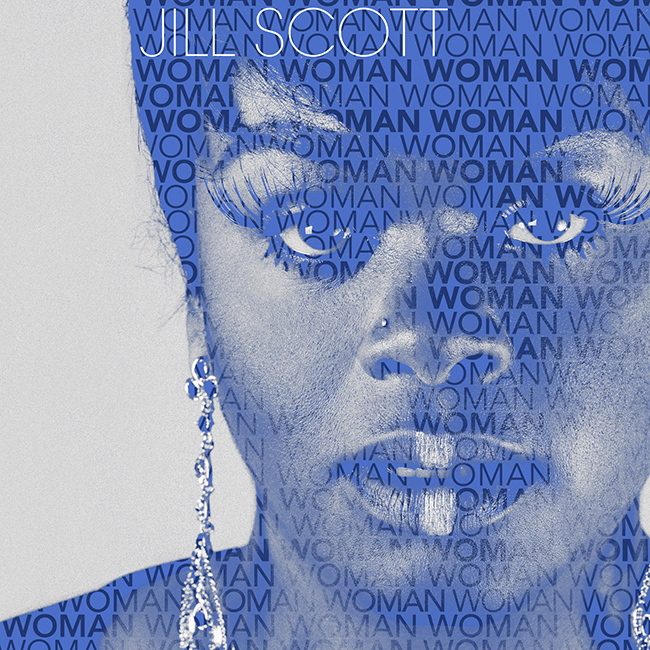
Jill Scott performs Closure live at Good Morning America. Scott earns her second No. 1 album this week, as Woman debuts atop the Billboard albums chart. The album sold 57,000 copies, according to Nielsen Music. Continue reading


Jill Scott performs Closure live at Good Morning America. Scott earns her second No. 1 album this week, as Woman debuts atop the Billboard albums chart. The album sold 57,000 copies, according to Nielsen Music. Continue reading
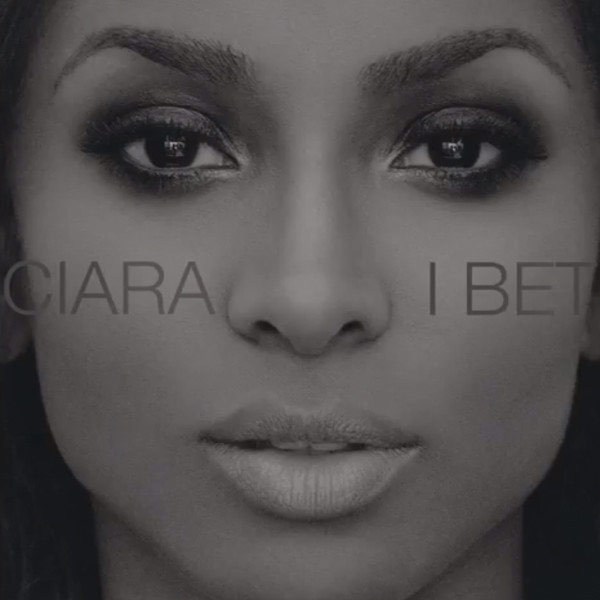
I Bet is a song by Ciara from her sixth studio album, Jackie (2015). Released as the lead single from the album by Epic Records on January 26, 2015, I Bet serves as Ciara’s first single following the birth of her first child and widely publicized break-up with American rapper Future. Continue reading


In the tradition of classic westerns, a narrator sets up the story of a lone gunslinger who walks into a saloon. However, the people in this saloon can hear the narrator and the narrator may just be a little bit bloodthirsty. Continue reading
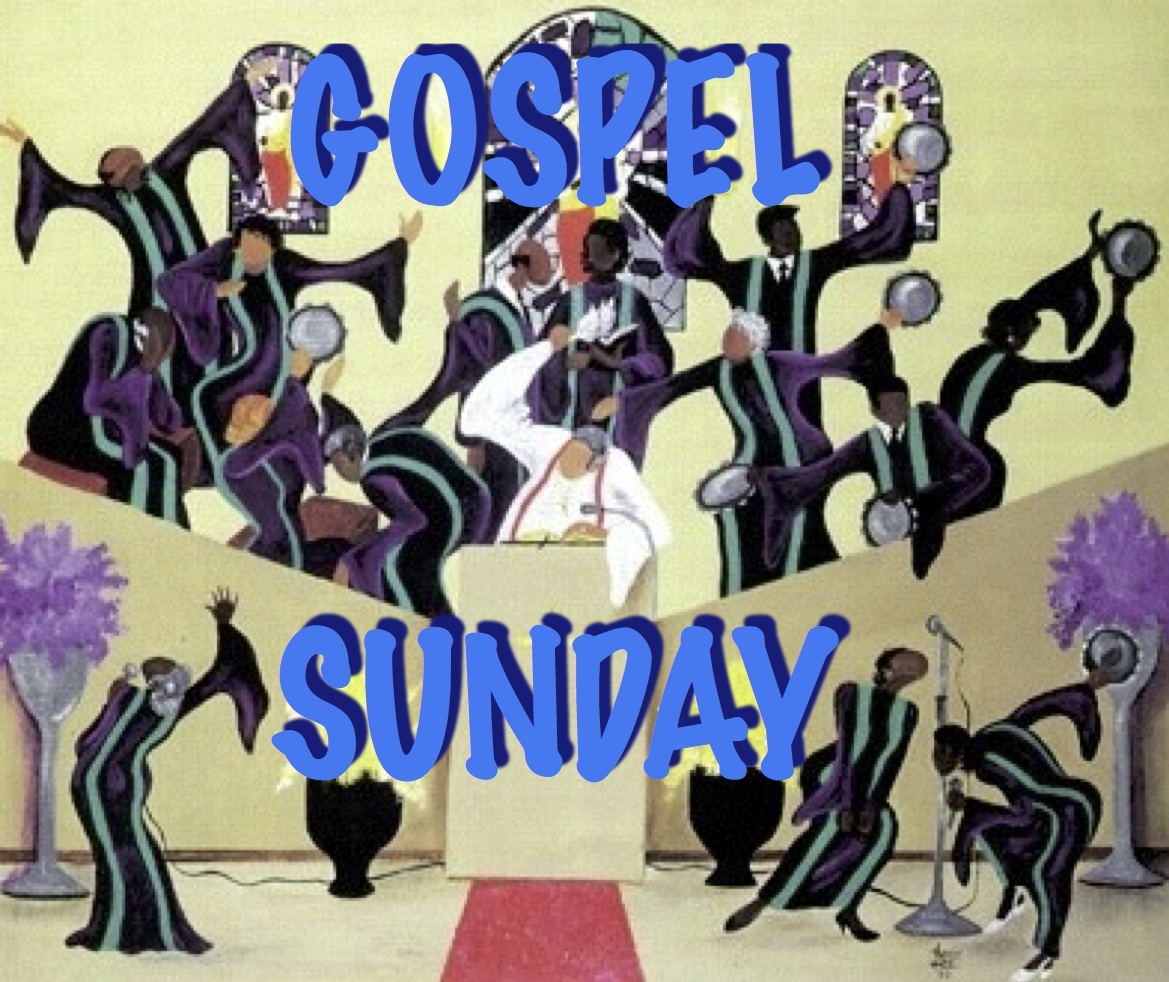

Brian Courtney Wilson has a voice full of sincerity that always connects to fans, and he’s back with a new song called Worth Fighting For. In response to hate crimes, social and civil injustice and outright killings of unarmed young men, Wilson wanted a way to bring people together to share visual messages for our community and our young people- “WE are valuable, treasured and worth fighting for“. Continue reading


Raf Simons showed a thoroughly modern couture collection, employing the luxury techniques of the house alongside his own creative aesthetic. Opening with a transparent printed pale green plastic coat over a short dress, he established the mood of the show which was assured and very much his own. Continue reading


Rebel, Vivienne Westwood is always enjoying her shows to get a message across, especially to defend the environment. Her show for next summer reflects perfectly her sharp mindedness. Her collection is an ode to nature, with lots of bikinis, rustic tunics evoking undoubtedly a lost primitive world, mesh knits and luxuriant floral prints. Continue reading

Uptown Funk (stylized as UpTown Funk!) is a song recorded by British producer Mark Ronson, with vocals from American recording artist Bruno Mars, for Ronson’s fourth studio album, Uptown Special (2015). The music video was released on 17 November 2014. It stars Mars, Ronson and the Hooligans walking around a city, wearing brightly colored suits and chains. It was directed by Bruno Mars and Cameron Duddy. Continue reading
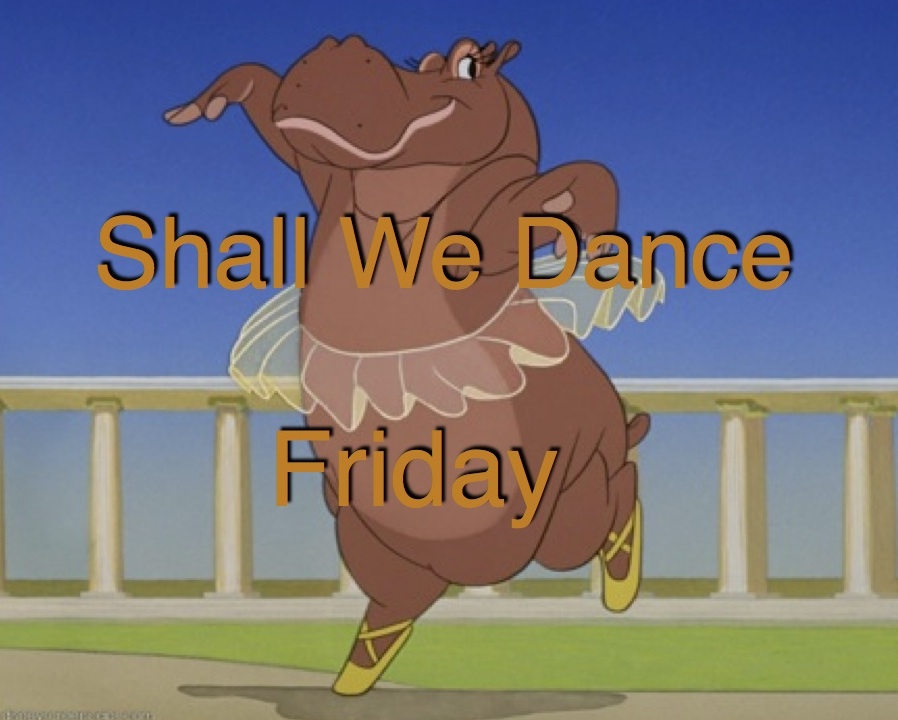

Beat Street (1984) is a film featuring New York City hip hop culture of the early 1980s; breakdancing, DJing, and graffiti were front and center. Set in the South Bronx, the film follows the lives of a pair of brothers and their friends, all of whom are devoted to various elements of early hip hop culture. Many of the internal dance sequences were filmed at the Roxy, a popular nightclub/disco located in the Chelsea section of Manhattan. Continue reading

Khloe Kardashian has totally removed the garbage from her can and replaced it with bona fide junk in her trunk. Khloe shows us that with enough lip and cheekbone filler, botox, exercise, diet, and the best store-bought booty- you too can fulfill your “I’m a slamming black girl” fantasy. Continue reading
 A pioneer in the use of new technologies, Van Herpen transcends conventional clothing norms while embracing both traditional couture artisanship and innovative techniques. Ranging from the micro to the macro, the exhibition explores the body’s place in space, its relationship to clothing and its environment, and its future in a rapidly changing world.
Brooklyn Musiem of Art
A pioneer in the use of new technologies, Van Herpen transcends conventional clothing norms while embracing both traditional couture artisanship and innovative techniques. Ranging from the micro to the macro, the exhibition explores the body’s place in space, its relationship to clothing and its environment, and its future in a rapidly changing world.
Brooklyn Musiem of Art The show will present iconic works from the museum’s collection by more than 20 artists, including John Chamberlain, Chryssa, Jim Dine, Roy Lichtenstein, Lucas Samaras, and Andy Warhol. Highlights will include Maurizio Cattelan’s Comedian (2019) and Claes Oldenburg and Coosje van Bruggen’s Soft Shuttlecock (1995), on view in New York for the first time in 25 years. These works will be shown alongside Yayoi Kusama’s INFINITY MIRRORED ROOM – DANCING LIGHTS THAT FLEW UP TO THE UNIVERSE (2019), a major loan to the exhibition, and recent acquisitions by contemporary artists such as Farah Al Qasimi, Alex Da Corte, Lucia Hierro, Martine Gutierrez, Lauren Halsey, Mohammed Ahmed Ibrahim, Yee I-Lann, Cara Romero, and Liu Shiyuan, whose practices expand the legacies of Pop.
1071 Fifth Avenue New York, NY 10128 (at 88th Street)
The show will present iconic works from the museum’s collection by more than 20 artists, including John Chamberlain, Chryssa, Jim Dine, Roy Lichtenstein, Lucas Samaras, and Andy Warhol. Highlights will include Maurizio Cattelan’s Comedian (2019) and Claes Oldenburg and Coosje van Bruggen’s Soft Shuttlecock (1995), on view in New York for the first time in 25 years. These works will be shown alongside Yayoi Kusama’s INFINITY MIRRORED ROOM – DANCING LIGHTS THAT FLEW UP TO THE UNIVERSE (2019), a major loan to the exhibition, and recent acquisitions by contemporary artists such as Farah Al Qasimi, Alex Da Corte, Lucia Hierro, Martine Gutierrez, Lauren Halsey, Mohammed Ahmed Ibrahim, Yee I-Lann, Cara Romero, and Liu Shiyuan, whose practices expand the legacies of Pop.
1071 Fifth Avenue New York, NY 10128 (at 88th Street)

The new permanent installation foregrounds the creativity of artists across the subcontinent and enduring, dynamic historical traditions. The Met’s Arts of Africa galleries returned in May 2025, in a reimagined Michael C. Rockefeller Wing. Following a multiyear renovation, the reenvisioned installation reintroduces visitors to the Museum’s collection of sub-Saharan African art through a selection of some 500 works organized to survey major artistic movements and living traditions from across the subcontinent. The new galleries present original creations from the Middle Ages to the present, and one-fourth of the works are on display at the Museum for the first time.
The Met Fifth Avenue A dance and wellness classes design for Older Adults taught by Walter Rutledge
720 Nereid Ave, Bronx, NY 10466
A pioneer in the use of new technologies, Van Herpen transcends conventional clothing norms while embracing both traditional couture artisanship and innovative techniques. Ranging from the micro to the macro, the exhibition explores the body’s place in space, its relationship to clothing and its environment, and its future in a rapidly changing world.
Brooklyn Musiem of ArtThe show will present iconic works from the museum’s collection by more than 20 artists, including John Chamberlain, Chryssa, Jim Dine, Roy Lichtenstein, Lucas Samaras, and Andy Warhol. Highlights will include Maurizio Cattelan’s Comedian (2019) and Claes Oldenburg and Coosje van Bruggen’s Soft Shuttlecock (1995), on view in New York for the first time in 25 years. These works will be shown alongside Yayoi Kusama’s INFINITY MIRRORED ROOM – DANCING LIGHTS THAT FLEW UP TO THE UNIVERSE (2019), a major loan to the exhibition, and recent acquisitions by contemporary artists such as Farah Al Qasimi, Alex Da Corte, Lucia Hierro, Martine Gutierrez, Lauren Halsey, Mohammed Ahmed Ibrahim, Yee I-Lann, Cara Romero, and Liu Shiyuan, whose practices expand the legacies of Pop.
1071 Fifth Avenue New York, NY 10128 (at 88th Street)
A dance and wellness classes design for Older Adults taught by Walter Rutledge
720 Nereid Ave, Bronx, NY 10466
A pioneer in the use of new technologies, Van Herpen transcends conventional clothing norms while embracing both traditional couture artisanship and innovative techniques. Ranging from the micro to the macro, the exhibition explores the body’s place in space, its relationship to clothing and its environment, and its future in a rapidly changing world.
Brooklyn Musiem of ArtThe show will present iconic works from the museum’s collection by more than 20 artists, including John Chamberlain, Chryssa, Jim Dine, Roy Lichtenstein, Lucas Samaras, and Andy Warhol. Highlights will include Maurizio Cattelan’s Comedian (2019) and Claes Oldenburg and Coosje van Bruggen’s Soft Shuttlecock (1995), on view in New York for the first time in 25 years. These works will be shown alongside Yayoi Kusama’s INFINITY MIRRORED ROOM – DANCING LIGHTS THAT FLEW UP TO THE UNIVERSE (2019), a major loan to the exhibition, and recent acquisitions by contemporary artists such as Farah Al Qasimi, Alex Da Corte, Lucia Hierro, Martine Gutierrez, Lauren Halsey, Mohammed Ahmed Ibrahim, Yee I-Lann, Cara Romero, and Liu Shiyuan, whose practices expand the legacies of Pop.
1071 Fifth Avenue New York, NY 10128 (at 88th Street)
The new permanent installation foregrounds the creativity of artists across the subcontinent and enduring, dynamic historical traditions. The Met’s Arts of Africa galleries returned in May 2025, in a reimagined Michael C. Rockefeller Wing. Following a multiyear renovation, the reenvisioned installation reintroduces visitors to the Museum’s collection of sub-Saharan African art through a selection of some 500 works organized to survey major artistic movements and living traditions from across the subcontinent. The new galleries present original creations from the Middle Ages to the present, and one-fourth of the works are on display at the Museum for the first time.
The Met Fifth AvenueA pioneer in the use of new technologies, Van Herpen transcends conventional clothing norms while embracing both traditional couture artisanship and innovative techniques. Ranging from the micro to the macro, the exhibition explores the body’s place in space, its relationship to clothing and its environment, and its future in a rapidly changing world.
Brooklyn Musiem of ArtThe show will present iconic works from the museum’s collection by more than 20 artists, including John Chamberlain, Chryssa, Jim Dine, Roy Lichtenstein, Lucas Samaras, and Andy Warhol. Highlights will include Maurizio Cattelan’s Comedian (2019) and Claes Oldenburg and Coosje van Bruggen’s Soft Shuttlecock (1995), on view in New York for the first time in 25 years. These works will be shown alongside Yayoi Kusama’s INFINITY MIRRORED ROOM – DANCING LIGHTS THAT FLEW UP TO THE UNIVERSE (2019), a major loan to the exhibition, and recent acquisitions by contemporary artists such as Farah Al Qasimi, Alex Da Corte, Lucia Hierro, Martine Gutierrez, Lauren Halsey, Mohammed Ahmed Ibrahim, Yee I-Lann, Cara Romero, and Liu Shiyuan, whose practices expand the legacies of Pop.
1071 Fifth Avenue New York, NY 10128 (at 88th Street)
The new permanent installation foregrounds the creativity of artists across the subcontinent and enduring, dynamic historical traditions. The Met’s Arts of Africa galleries returned in May 2025, in a reimagined Michael C. Rockefeller Wing. Following a multiyear renovation, the reenvisioned installation reintroduces visitors to the Museum’s collection of sub-Saharan African art through a selection of some 500 works organized to survey major artistic movements and living traditions from across the subcontinent. The new galleries present original creations from the Middle Ages to the present, and one-fourth of the works are on display at the Museum for the first time.
The Met Fifth Avenue New York hottest place to be for a fun Sunday evening house music party. JD Frankie Paradise will get you moving whether you dip, twist or just strike a pose.
District - 246 west 35th street
A pioneer in the use of new technologies, Van Herpen transcends conventional clothing norms while embracing both traditional couture artisanship and innovative techniques. Ranging from the micro to the macro, the exhibition explores the body’s place in space, its relationship to clothing and its environment, and its future in a rapidly changing world.
Brooklyn Musiem of ArtThe show will present iconic works from the museum’s collection by more than 20 artists, including John Chamberlain, Chryssa, Jim Dine, Roy Lichtenstein, Lucas Samaras, and Andy Warhol. Highlights will include Maurizio Cattelan’s Comedian (2019) and Claes Oldenburg and Coosje van Bruggen’s Soft Shuttlecock (1995), on view in New York for the first time in 25 years. These works will be shown alongside Yayoi Kusama’s INFINITY MIRRORED ROOM – DANCING LIGHTS THAT FLEW UP TO THE UNIVERSE (2019), a major loan to the exhibition, and recent acquisitions by contemporary artists such as Farah Al Qasimi, Alex Da Corte, Lucia Hierro, Martine Gutierrez, Lauren Halsey, Mohammed Ahmed Ibrahim, Yee I-Lann, Cara Romero, and Liu Shiyuan, whose practices expand the legacies of Pop.
1071 Fifth Avenue New York, NY 10128 (at 88th Street)
New York hottest place to be for a fun Sunday evening house music party. JD Frankie Paradise will get you moving whether you dip, twist or just strike a pose.
District - 246 west 35th street
A pioneer in the use of new technologies, Van Herpen transcends conventional clothing norms while embracing both traditional couture artisanship and innovative techniques. Ranging from the micro to the macro, the exhibition explores the body’s place in space, its relationship to clothing and its environment, and its future in a rapidly changing world.
Brooklyn Musiem of ArtThe show will present iconic works from the museum’s collection by more than 20 artists, including John Chamberlain, Chryssa, Jim Dine, Roy Lichtenstein, Lucas Samaras, and Andy Warhol. Highlights will include Maurizio Cattelan’s Comedian (2019) and Claes Oldenburg and Coosje van Bruggen’s Soft Shuttlecock (1995), on view in New York for the first time in 25 years. These works will be shown alongside Yayoi Kusama’s INFINITY MIRRORED ROOM – DANCING LIGHTS THAT FLEW UP TO THE UNIVERSE (2019), a major loan to the exhibition, and recent acquisitions by contemporary artists such as Farah Al Qasimi, Alex Da Corte, Lucia Hierro, Martine Gutierrez, Lauren Halsey, Mohammed Ahmed Ibrahim, Yee I-Lann, Cara Romero, and Liu Shiyuan, whose practices expand the legacies of Pop.
1071 Fifth Avenue New York, NY 10128 (at 88th Street)
The new permanent installation foregrounds the creativity of artists across the subcontinent and enduring, dynamic historical traditions. The Met’s Arts of Africa galleries returned in May 2025, in a reimagined Michael C. Rockefeller Wing. Following a multiyear renovation, the reenvisioned installation reintroduces visitors to the Museum’s collection of sub-Saharan African art through a selection of some 500 works organized to survey major artistic movements and living traditions from across the subcontinent. The new galleries present original creations from the Middle Ages to the present, and one-fourth of the works are on display at the Museum for the first time.
The Met Fifth Avenue Welcome to the 33rd season of summer movies in Bryant Park! Bring a blanket and a friend, and grab your spot on the lawn to watch a feature film on the big screen under the stars. The lawn opens at 5pm and films begin at 8pm.
 Bryant Park
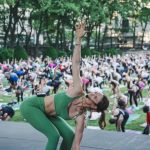 Everyone’s favorite yoga program returns for summer 2026! From May 27 through September 16, join us for classes Tuesday mornings on the Upper Terrace, and Wednesday evenings on the lawn.
Bryant Park Yoga presented by Halara is free to the public. Bring your mat and water and enjoy one hour of yoga with New York City’s top instructors.
Bryant ParkA pioneer in the use of new technologies, Van Herpen transcends conventional clothing norms while embracing both traditional couture artisanship and innovative techniques. Ranging from the micro to the macro, the exhibition explores the body’s place in space, its relationship to clothing and its environment, and its future in a rapidly changing world.
Brooklyn Musiem of ArtThe show will present iconic works from the museum’s collection by more than 20 artists, including John Chamberlain, Chryssa, Jim Dine, Roy Lichtenstein, Lucas Samaras, and Andy Warhol. Highlights will include Maurizio Cattelan’s Comedian (2019) and Claes Oldenburg and Coosje van Bruggen’s Soft Shuttlecock (1995), on view in New York for the first time in 25 years. These works will be shown alongside Yayoi Kusama’s INFINITY MIRRORED ROOM – DANCING LIGHTS THAT FLEW UP TO THE UNIVERSE (2019), a major loan to the exhibition, and recent acquisitions by contemporary artists such as Farah Al Qasimi, Alex Da Corte, Lucia Hierro, Martine Gutierrez, Lauren Halsey, Mohammed Ahmed Ibrahim, Yee I-Lann, Cara Romero, and Liu Shiyuan, whose practices expand the legacies of Pop.
1071 Fifth Avenue New York, NY 10128 (at 88th Street)
Everyone’s favorite yoga program returns for summer 2026! From May 27 through September 16, join us for classes Tuesday mornings on the Upper Terrace, and Wednesday evenings on the lawn.
Bryant Park Yoga presented by Halara is free to the public. Bring your mat and water and enjoy one hour of yoga with New York City’s top instructors.
Bryant ParkA pioneer in the use of new technologies, Van Herpen transcends conventional clothing norms while embracing both traditional couture artisanship and innovative techniques. Ranging from the micro to the macro, the exhibition explores the body’s place in space, its relationship to clothing and its environment, and its future in a rapidly changing world.
Brooklyn Musiem of ArtThe show will present iconic works from the museum’s collection by more than 20 artists, including John Chamberlain, Chryssa, Jim Dine, Roy Lichtenstein, Lucas Samaras, and Andy Warhol. Highlights will include Maurizio Cattelan’s Comedian (2019) and Claes Oldenburg and Coosje van Bruggen’s Soft Shuttlecock (1995), on view in New York for the first time in 25 years. These works will be shown alongside Yayoi Kusama’s INFINITY MIRRORED ROOM – DANCING LIGHTS THAT FLEW UP TO THE UNIVERSE (2019), a major loan to the exhibition, and recent acquisitions by contemporary artists such as Farah Al Qasimi, Alex Da Corte, Lucia Hierro, Martine Gutierrez, Lauren Halsey, Mohammed Ahmed Ibrahim, Yee I-Lann, Cara Romero, and Liu Shiyuan, whose practices expand the legacies of Pop.
1071 Fifth Avenue New York, NY 10128 (at 88th Street)
The new permanent installation foregrounds the creativity of artists across the subcontinent and enduring, dynamic historical traditions. The Met’s Arts of Africa galleries returned in May 2025, in a reimagined Michael C. Rockefeller Wing. Following a multiyear renovation, the reenvisioned installation reintroduces visitors to the Museum’s collection of sub-Saharan African art through a selection of some 500 works organized to survey major artistic movements and living traditions from across the subcontinent. The new galleries present original creations from the Middle Ages to the present, and one-fourth of the works are on display at the Museum for the first time.
The Met Fifth AvenueA pioneer in the use of new technologies, Van Herpen transcends conventional clothing norms while embracing both traditional couture artisanship and innovative techniques. Ranging from the micro to the macro, the exhibition explores the body’s place in space, its relationship to clothing and its environment, and its future in a rapidly changing world.
Brooklyn Musiem of ArtThe show will present iconic works from the museum’s collection by more than 20 artists, including John Chamberlain, Chryssa, Jim Dine, Roy Lichtenstein, Lucas Samaras, and Andy Warhol. Highlights will include Maurizio Cattelan’s Comedian (2019) and Claes Oldenburg and Coosje van Bruggen’s Soft Shuttlecock (1995), on view in New York for the first time in 25 years. These works will be shown alongside Yayoi Kusama’s INFINITY MIRRORED ROOM – DANCING LIGHTS THAT FLEW UP TO THE UNIVERSE (2019), a major loan to the exhibition, and recent acquisitions by contemporary artists such as Farah Al Qasimi, Alex Da Corte, Lucia Hierro, Martine Gutierrez, Lauren Halsey, Mohammed Ahmed Ibrahim, Yee I-Lann, Cara Romero, and Liu Shiyuan, whose practices expand the legacies of Pop.
1071 Fifth Avenue New York, NY 10128 (at 88th Street)
The new permanent installation foregrounds the creativity of artists across the subcontinent and enduring, dynamic historical traditions. The Met’s Arts of Africa galleries returned in May 2025, in a reimagined Michael C. Rockefeller Wing. Following a multiyear renovation, the reenvisioned installation reintroduces visitors to the Museum’s collection of sub-Saharan African art through a selection of some 500 works organized to survey major artistic movements and living traditions from across the subcontinent. The new galleries present original creations from the Middle Ages to the present, and one-fourth of the works are on display at the Museum for the first time.
The Met Fifth Avenue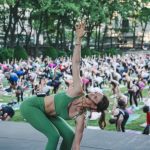 Bryant Park Yoga Everyone’s favorite yoga program returns for summer 2026! From May 27 through September 16, join us for classes Tuesday mornings on the Upper Terrace, and Wednesday evenings on the lawn.
Bryant Park Yoga presented by Halara is free to the public. Bring your mat and water and enjoy one hour of yoga with New York City’s top instructors.
Bryant Park
A dance and wellness classes design for Older Adults taught by Walter Rutledge
204 W 134th St, New York, NY 10030
A pioneer in the use of new technologies, Van Herpen transcends conventional clothing norms while embracing both traditional couture artisanship and innovative techniques. Ranging from the micro to the macro, the exhibition explores the body’s place in space, its relationship to clothing and its environment, and its future in a rapidly changing world.
Brooklyn Musiem of ArtThe show will present iconic works from the museum’s collection by more than 20 artists, including John Chamberlain, Chryssa, Jim Dine, Roy Lichtenstein, Lucas Samaras, and Andy Warhol. Highlights will include Maurizio Cattelan’s Comedian (2019) and Claes Oldenburg and Coosje van Bruggen’s Soft Shuttlecock (1995), on view in New York for the first time in 25 years. These works will be shown alongside Yayoi Kusama’s INFINITY MIRRORED ROOM – DANCING LIGHTS THAT FLEW UP TO THE UNIVERSE (2019), a major loan to the exhibition, and recent acquisitions by contemporary artists such as Farah Al Qasimi, Alex Da Corte, Lucia Hierro, Martine Gutierrez, Lauren Halsey, Mohammed Ahmed Ibrahim, Yee I-Lann, Cara Romero, and Liu Shiyuan, whose practices expand the legacies of Pop.
1071 Fifth Avenue New York, NY 10128 (at 88th Street)
Bryant Park Yoga Everyone’s favorite yoga program returns for summer 2026! From May 27 through September 16, join us for classes Tuesday mornings on the Upper Terrace, and Wednesday evenings on the lawn.
Bryant Park Yoga presented by Halara is free to the public. Bring your mat and water and enjoy one hour of yoga with New York City’s top instructors.
Bryant Park
A dance and wellness classes design for Older Adults taught by Walter Rutledge
204 W 134th St, New York, NY 10030
A pioneer in the use of new technologies, Van Herpen transcends conventional clothing norms while embracing both traditional couture artisanship and innovative techniques. Ranging from the micro to the macro, the exhibition explores the body’s place in space, its relationship to clothing and its environment, and its future in a rapidly changing world.
Brooklyn Musiem of ArtThe show will present iconic works from the museum’s collection by more than 20 artists, including John Chamberlain, Chryssa, Jim Dine, Roy Lichtenstein, Lucas Samaras, and Andy Warhol. Highlights will include Maurizio Cattelan’s Comedian (2019) and Claes Oldenburg and Coosje van Bruggen’s Soft Shuttlecock (1995), on view in New York for the first time in 25 years. These works will be shown alongside Yayoi Kusama’s INFINITY MIRRORED ROOM – DANCING LIGHTS THAT FLEW UP TO THE UNIVERSE (2019), a major loan to the exhibition, and recent acquisitions by contemporary artists such as Farah Al Qasimi, Alex Da Corte, Lucia Hierro, Martine Gutierrez, Lauren Halsey, Mohammed Ahmed Ibrahim, Yee I-Lann, Cara Romero, and Liu Shiyuan, whose practices expand the legacies of Pop.
1071 Fifth Avenue New York, NY 10128 (at 88th Street)
The new permanent installation foregrounds the creativity of artists across the subcontinent and enduring, dynamic historical traditions. The Met’s Arts of Africa galleries returned in May 2025, in a reimagined Michael C. Rockefeller Wing. Following a multiyear renovation, the reenvisioned installation reintroduces visitors to the Museum’s collection of sub-Saharan African art through a selection of some 500 works organized to survey major artistic movements and living traditions from across the subcontinent. The new galleries present original creations from the Middle Ages to the present, and one-fourth of the works are on display at the Museum for the first time.
The Met Fifth AvenueA pioneer in the use of new technologies, Van Herpen transcends conventional clothing norms while embracing both traditional couture artisanship and innovative techniques. Ranging from the micro to the macro, the exhibition explores the body’s place in space, its relationship to clothing and its environment, and its future in a rapidly changing world.
Brooklyn Musiem of ArtThe show will present iconic works from the museum’s collection by more than 20 artists, including John Chamberlain, Chryssa, Jim Dine, Roy Lichtenstein, Lucas Samaras, and Andy Warhol. Highlights will include Maurizio Cattelan’s Comedian (2019) and Claes Oldenburg and Coosje van Bruggen’s Soft Shuttlecock (1995), on view in New York for the first time in 25 years. These works will be shown alongside Yayoi Kusama’s INFINITY MIRRORED ROOM – DANCING LIGHTS THAT FLEW UP TO THE UNIVERSE (2019), a major loan to the exhibition, and recent acquisitions by contemporary artists such as Farah Al Qasimi, Alex Da Corte, Lucia Hierro, Martine Gutierrez, Lauren Halsey, Mohammed Ahmed Ibrahim, Yee I-Lann, Cara Romero, and Liu Shiyuan, whose practices expand the legacies of Pop.
1071 Fifth Avenue New York, NY 10128 (at 88th Street)
The new permanent installation foregrounds the creativity of artists across the subcontinent and enduring, dynamic historical traditions. The Met’s Arts of Africa galleries returned in May 2025, in a reimagined Michael C. Rockefeller Wing. Following a multiyear renovation, the reenvisioned installation reintroduces visitors to the Museum’s collection of sub-Saharan African art through a selection of some 500 works organized to survey major artistic movements and living traditions from across the subcontinent. The new galleries present original creations from the Middle Ages to the present, and one-fourth of the works are on display at the Museum for the first time.
The Met Fifth AvenueA dance and wellness classes design for Older Adults taught by Walter Rutledge
720 Nereid Ave, Bronx, NY 10466