Missy Elliott has returned in spectacularly weird style in the vibrant, clever video for “WTF (Where They From),” her new single with Pharrell. The clip opens with a handful of New Yorkers already singing along to “WTF” and goes on to feature the rapper and a rotating cast of dancers working locations around the city. Though the concept is simple, the execution is far from it.Continue reading
Bunny Briggs says he was born dancing: “When I finally faced the world my legs were kickin’. They let me loose, and I just started dancin’ . Just started right out dancin’. And been dancing ever since.” He was born on Lenox Avenue and 138th Street in Harlem, New York. At the age of three his mother took him to the Lincoln Theatre to see his aunt Gladys, who was a chorus girl. After seeing the dapper Bill Robinson perform at the Lincoln he rushed home to say, “Mamma, I want to be a tap dancer”.
Bunny Briggs with Benny Carter Orchestra
After appearing at the Monterey Jazz Festival in 1960 with the Duke Ellington band, Briggs became known as Duke’s Dancer. Briggs became the chosen soloist in Ellington’s Concert of Sacred Dance, in David Danced Before the Lord, which premiered at Grace Cathedral in San Francisco (September 16, 1965). Dubbed by Ellington as “the most superleviathonic, rhythmaturgically-syncopated tapsthamaticianisamist”.
Bunny Briggs Performs Come Sunday from Duke Ellington’s Sacred Concert of Music
Briggs was nominated for a Tony Award in 1989 for his work in the Broadway show Black and Blue, he also appeared in the Gregory Hines film Tap in 1989. In 2002, Briggs received an honorary Doctorate of Performing Arts in American Dance by Oklahoma City University in 2002, honoring him as one of the nine doctorates of Tap Dance.
The Moor’s Pavane in a Studio-filmed performance of Jose Limon’s landmark 1949 ballet featuring Jose Limon, Betty Jones, Lucas Hoving, and Ruth Currier.
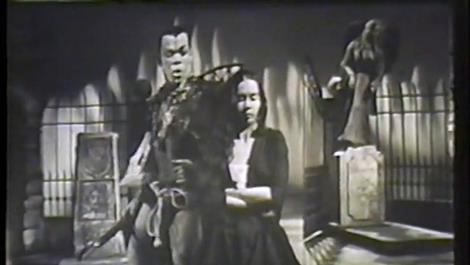
Geoffrey Holder’s Banda dance debuted in the 1954 Truman Capote/Harold Arlen musical House Of Flowers. Holder the Baron of The Cemetery (based on the Haitian Loa of Death Baron Samedi) and received both a performer and choreographer credit in the program. The Broadway musical takes place somewhere in the West Indies during Mardi Gras weekend.Continue reading
Le Sacre du printemps (1959) is a milestone in the history of dance, and choreographer Maurice Béjart approached the work with great courage. His version full of new meanings, physicality and sensuality became a universally recognized success. “Human love, in its physical appearance, symbolizes the act by which God creates the cosmos, and the joy it brings. Let this ballet be bare of all picturesque artifice, let it be the hymn to the union between man and woman at its deepest level, between heaven and earth, the dance of life and death, let it be as eternal as spring!” – Maurice BejartContinue reading
ABADDON a poem of love and destruction. Inspired by relationships that test boundaries and go beyond the acceptable; relationships that reduce, erode and abuse until the spirit is consumed. Abaddon is a place of suffering and purification.Continue reading
Soldier is a collaboration between filmmaker Cinque Northern and Brooklyn born, street dance battle champion Storyboard P. The freestyle dance is set to Sade’s Soldier Of Love and shot in the Mojave desert. On Wednesday July 15 the New York Dance and Performance Awards (The Bessies), honored Storyboard P with the Outstanding Emerging Choreographer Award.
Smooth Criminal is the seventh single from Michael Jackson’s 1987 Bad album. Jackson originally wanted to make the music video in the western genre, but he later decided after watching “The Third Man” with Director Colin Chilvers to change it to a 1930s gangster style. Jeffrey Daniel of the soul music group Shalamar co-choreographed the Smooth Criminal video with Jackson and Vincent Paterson, who was a back-up dancer in Beat It and Thriller.
The dance sequence of the video in the 1930s style lounge (and Jackson’s white suit and fedora) pays tribute to the Fred Astaire musical comedy film The Band Wagon. Jackson and some of the dancers around him perform a seemingly impossible forward lean. For the video, this was done using harness cables. To accomplish this maneuver for stage performances, though, Jackson co-patented a hitching mechanism which was built into the floor of the stage and the performer’s shoes.
Beat Street (1984) is a film featuring New York City hip hop culture of the early 1980s; breakdancing, DJing, and graffiti were front and center. Set in the South Bronx, the film follows the lives of a pair of brothers and their friends, all of whom are devoted to various elements of early hip hop culture. Many of the internal dance sequences were filmed at the Roxy, a popular nightclub/disco located in the Chelsea section of Manhattan.Continue reading
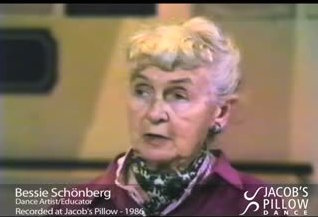
Bessie Schönberg (1906-1997) a distinguished and beloved educator in the dance arts, speaks to a class of interns at Jacob’s Pillow Dance Festival in the summer of 1989. She discusses the art and technique of how one can watch dance as an audience member. Schönberg offers insight into how one can prepare oneself to view new dance, find an entry point or “handle-bar” into the content, and how to build an appetite for the multitude of dance forms.Continue reading
1Iris van Herpen: Sculpting the Senses from 10:00 am to 8:00 pm Guggenheim Pop: 1960 to Now from 10:00 am to 8:00 pm The Met’s Arts of Africa from 10:00 am to 8:00 pm
2Dance of The Village Elders at St. Phillips Church from 2:30 am to 3:30 am Iris van Herpen: Sculpting the Senses from 10:00 am to 8:00 pm Guggenheim Pop: 1960 to Now from 10:00 am to 8:00 pm The Met’s Arts of Africa from 10:00 am to 8:00 pm
3Iris van Herpen: Sculpting the Senses from 10:00 am to 8:00 pm Guggenheim Pop: 1960 to Now from 10:00 am to 8:00 pm The Met’s Arts of Africa from 10:00 am to 8:00 pm Dance of the Village Elders - R.A.I.N. Neried from 10:30 am to 11:30 am
4Iris van Herpen: Sculpting the Senses from 10:00 am to 8:00 pm Guggenheim Pop: 1960 to Now from 10:00 am to 8:00 pm The Met’s Arts of Africa from 10:00 am to 8:00 pm
5Iris van Herpen: Sculpting the Senses from 10:00 am to 8:00 pm Guggenheim Pop: 1960 to Now from 10:00 am to 8:00 pm The Met’s Arts of Africa from 10:00 am to 8:00 pm Sanctuary from 5:00 pm to 12:00 am
6Iris van Herpen: Sculpting the Senses from 10:00 am to 8:00 pm Guggenheim Pop: 1960 to Now from 10:00 am to 8:00 pm The Met’s Arts of Africa from 10:00 am to 8:00 pm
7Iris van Herpen: Sculpting the Senses from 10:00 am to 8:00 pm Guggenheim Pop: 1960 to Now from 10:00 am to 8:00 pm The Met’s Arts of Africa from 10:00 am to 8:00 pm
8Iris van Herpen: Sculpting the Senses from 10:00 am to 8:00 pm Guggenheim Pop: 1960 to Now from 10:00 am to 8:00 pm The Met’s Arts of Africa from 10:00 am to 8:00 pm
9Dance of The Village Elders at St. Phillips Church from 2:30 am to 3:30 am Iris van Herpen: Sculpting the Senses from 10:00 am to 8:00 pm Guggenheim Pop: 1960 to Now from 10:00 am to 8:00 pm The Met’s Arts of Africa from 10:00 am to 8:00 pm Mets vs Red Sox from 7:15 pm to 10:00 pm
10Iris van Herpen: Sculpting the Senses from 10:00 am to 8:00 pm Guggenheim Pop: 1960 to Now from 10:00 am to 8:00 pm The Met’s Arts of Africa from 10:00 am to 8:00 pm Dance of the Village Elders - R.A.I.N. Neried from 10:30 am to 11:30 am Jay-Z 30 '96 & Forever Pop-Up Shop from 12:00 pm to 1:00 am Pilobolus from 7:30 pm to 9:30 pm Jay Z at Yankee Stadium from 8:00 pm to 11:00 pm
11Slurpee Day from 12:00 am to 11:59 am Bronx Restaurant Week from 9:00 am to 10:00 pm Flower Power from 10:00 am to 8:00 pm Iris van Herpen: Sculpting the Senses from 10:00 am to 8:00 pm Guggenheim Pop: 1960 to Now from 10:00 am to 8:00 pm The Met’s Arts of Africa from 10:00 am to 8:00 pm Jay-Z 30 '96 & Forever Pop-Up Shop from 12:00 pm to 1:00 am Mark Morris Dance Group and Music Ensemble from 2:00 pm to 4:00 pm Pilobolus from 2:00 pm to 4:00 pm Mets vs Red Sox from 4:10 pm to 7:00 pm Pilobolus from 7:30 pm to 9:30 pm Jay Z at Yankee Stadium from 8:00 pm to 11:00 pm
12Bronx Restaurant Week from 9:00 am to 10:00 pm Flower Power from 10:00 am to 8:00 pm Iris van Herpen: Sculpting the Senses from 10:00 am to 8:00 pm Guggenheim Pop: 1960 to Now from 10:00 am to 8:00 pm The Met’s Arts of Africa from 10:00 am to 8:00 pm Jay-Z 30 '96 & Forever Pop-Up Shop from 12:00 pm to 1:00 am Mets vs Red Sox from 1:40 pm to 4:00 pm Mark Morris Dance Group and Music Ensemble from 2:00 pm to 4:00 pm Pilobolus from 2:00 pm to 4:00 pm Sanctuary from 5:00 pm to 12:00 am Jay Z at Yankee Stadium from 8:00 pm to 11:00 pm
13Flower Power from 10:00 am to 8:00 pm Iris van Herpen: Sculpting the Senses from 10:00 am to 8:00 pm Guggenheim Pop: 1960 to Now from 10:00 am to 8:00 pm The Met’s Arts of Africa from 10:00 am to 8:00 pm Jay-Z 30 '96 & Forever Pop-Up Shop from 12:00 pm to 1:00 am Paramount Movie Nights at Bryant Park from 8:00 pm to 10:00 pm
14Flower Power from 10:00 am to 8:00 pm Bryant Park Yoga from 10:00 am to 11:00 am Iris van Herpen: Sculpting the Senses from 10:00 am to 8:00 pm Guggenheim Pop: 1960 to Now from 10:00 am to 8:00 pm The Met’s Arts of Africa from 10:00 am to 8:00 pm Mark Morris Dance Group and Music Ensemble from 7:30 pm to 9:30 pm
15Flower Power from 10:00 am to 8:00 pm Iris van Herpen: Sculpting the Senses from 10:00 am to 8:00 pm Guggenheim Pop: 1960 to Now from 10:00 am to 8:00 pm The Met’s Arts of Africa from 10:00 am to 8:00 pm Bryant Park Yoga from 6:00 pm to 7:00 pm Mark Morris Dance Group and Music Ensemble from 7:30 pm to 9:30 pm
16Dance of The Village Elders at St. Phillips Church from 2:30 am to 3:30 am Flower Power from 10:00 am to 8:00 pm Iris van Herpen: Sculpting the Senses from 10:00 am to 8:00 pm Guggenheim Pop: 1960 to Now from 10:00 am to 8:00 pm The Met’s Arts of Africa from 10:00 am to 8:00 pm Mark Morris Dance Group and Music Ensemble from 7:30 pm to 9:30 pm
17Flower Power from 10:00 am to 8:00 pm Iris van Herpen: Sculpting the Senses from 10:00 am to 8:00 pm Guggenheim Pop: 1960 to Now from 10:00 am to 8:00 pm The Met’s Arts of Africa from 10:00 am to 8:00 pm Dance of the Village Elders - R.A.I.N. Neried from 10:30 am to 11:30 am Mark Morris Dance Group and Music Ensemble from 7:30 pm to 9:30 pm
18Flower Power from 10:00 am to 8:00 pm Iris van Herpen: Sculpting the Senses from 10:00 am to 8:00 pm Guggenheim Pop: 1960 to Now from 10:00 am to 8:00 pm The Met’s Arts of Africa from 10:00 am to 8:00 pm Mark Morris Dance Group and Music Ensemble from 7:30 pm to 9:30 pm
19Flower Power from 10:00 am to 8:00 pm Iris van Herpen: Sculpting the Senses from 10:00 am to 8:00 pm Guggenheim Pop: 1960 to Now from 10:00 am to 8:00 pm The Met’s Arts of Africa from 10:00 am to 8:00 pm Sanctuary from 5:00 pm to 12:00 am Mark Morris Dance Group and Music Ensemble from 7:30 pm to 9:30 pm
20Flower Power from 10:00 am to 8:00 pm Iris van Herpen: Sculpting the Senses from 10:00 am to 8:00 pm Guggenheim Pop: 1960 to Now from 10:00 am to 8:00 pm The Met’s Arts of Africa from 10:00 am to 8:00 pm Paramount Movie Nights at Bryant Park from 8:00 pm to 10:00 pm
21Flower Power from 10:00 am to 8:00 pm Bryant Park Yoga from 10:00 am to 11:00 am Iris van Herpen: Sculpting the Senses from 10:00 am to 8:00 pm Guggenheim Pop: 1960 to Now from 10:00 am to 8:00 pm The Met’s Arts of Africa from 10:00 am to 8:00 pm
22Flower Power from 10:00 am to 8:00 pm Iris van Herpen: Sculpting the Senses from 10:00 am to 8:00 pm Guggenheim Pop: 1960 to Now from 10:00 am to 8:00 pm The Met’s Arts of Africa from 10:00 am to 8:00 pm Bryant Park Yoga from 6:00 pm to 7:00 pm
23Dance of The Village Elders at St. Phillips Church from 2:30 am to 3:30 am Flower Power from 10:00 am to 8:00 pm Iris van Herpen: Sculpting the Senses from 10:00 am to 8:00 pm Guggenheim Pop: 1960 to Now from 10:00 am to 8:00 pm The Met’s Arts of Africa from 10:00 am to 8:00 pm
24Flower Power from 10:00 am to 8:00 pm Iris van Herpen: Sculpting the Senses from 10:00 am to 8:00 pm Guggenheim Pop: 1960 to Now from 10:00 am to 8:00 pm The Met’s Arts of Africa from 10:00 am to 8:00 pm Dance of the Village Elders - R.A.I.N. Neried from 10:30 am to 11:30 am
25Flower Power from 10:00 am to 8:00 pm Iris van Herpen: Sculpting the Senses from 10:00 am to 8:00 pm Guggenheim Pop: 1960 to Now from 10:00 am to 8:00 pm The Met’s Arts of Africa from 10:00 am to 8:00 pm
26Flower Power from 10:00 am to 8:00 pm Iris van Herpen: Sculpting the Senses from 10:00 am to 8:00 pm Guggenheim Pop: 1960 to Now from 10:00 am to 8:00 pm The Met’s Arts of Africa from 10:00 am to 8:00 pm Sanctuary from 5:00 pm to 12:00 am
27Flower Power from 10:00 am to 8:00 pm Iris van Herpen: Sculpting the Senses from 10:00 am to 8:00 pm Guggenheim Pop: 1960 to Now from 10:00 am to 8:00 pm The Met’s Arts of Africa from 10:00 am to 8:00 pm Paramount Movie Nights at Bryant Park from 8:00 pm to 10:00 pm
28Flower Power from 10:00 am to 8:00 pm Bryant Park Yoga from 10:00 am to 11:00 am Iris van Herpen: Sculpting the Senses from 10:00 am to 8:00 pm Guggenheim Pop: 1960 to Now from 10:00 am to 8:00 pm The Met’s Arts of Africa from 10:00 am to 8:00 pm
29Flower Power from 10:00 am to 8:00 pm Iris van Herpen: Sculpting the Senses from 10:00 am to 8:00 pm Guggenheim Pop: 1960 to Now from 10:00 am to 8:00 pm The Met’s Arts of Africa from 10:00 am to 8:00 pm Bryant Park Yoga from 6:00 pm to 7:00 pm
30Dance of The Village Elders at St. Phillips Church from 2:30 am to 3:30 am Flower Power from 10:00 am to 8:00 pm Iris van Herpen: Sculpting the Senses from 10:00 am to 8:00 pm Guggenheim Pop: 1960 to Now from 10:00 am to 8:00 pm The Met’s Arts of Africa from 10:00 am to 8:00 pm
31Flower Power from 10:00 am to 8:00 pm Iris van Herpen: Sculpting the Senses from 10:00 am to 8:00 pm Guggenheim Pop: 1960 to Now from 10:00 am to 8:00 pm The Met’s Arts of Africa from 10:00 am to 8:00 pm Dance of the Village Elders - R.A.I.N. Neried from 10:30 am to 11:30 am
Today’s Events
Flower PowerFlower PowerTime: 10:00 am - 8:00 pm
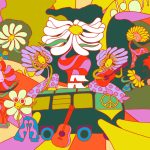
Channel the spirit of the ’60s at Flower Power, a joyous celebration of the enduring symbolism of flowers as icons of peace and love. Immerse yourself in a groovy and colorful flower show spotlighting the ways in which hippie culture advanced closer relationships with the natural world, and explore vibrant botanical displays.
2900 Southern Blvd
Bronx, NY 10458-5126
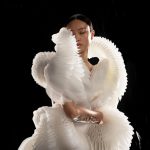
Iris van Herpen: Sculpting the SensesIris van Herpen: Sculpting the SensesTime: 10:00 am - 8:00 pm A pioneer in the use of new technologies, Van Herpen transcends conventional clothing norms while embracing both traditional couture artisanship and innovative techniques. Ranging from the micro to the macro, the exhibition explores the body’s place in space, its relationship to clothing and its environment, and its future in a rapidly changing world.Brooklyn Musiem of Art
Morris A. and Meyer Schapiro Wing and Iris and B. Gerald Cantor Gallery, 5th Floor
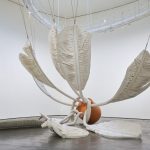
Guggenheim Pop: 1960 to NowGuggenheim Pop: 1960 to NowTime: 10:00 am - 8:00 pm The show will present iconic works from the museum’s collection by more than 20 artists, including John Chamberlain, Chryssa, Jim Dine, Roy Lichtenstein, Lucas Samaras, and Andy Warhol. Highlights will include Maurizio Cattelan’s Comedian (2019) and Claes Oldenburg and Coosje van Bruggen’s Soft Shuttlecock (1995), on view in New York for the first time in 25 years. These works will be shown alongside Yayoi Kusama’s INFINITY MIRRORED ROOM – DANCING LIGHTS THAT FLEW UP TO THE UNIVERSE (2019), a major loan to the exhibition, and recent acquisitions by contemporary artists such as Farah Al Qasimi, Alex Da Corte, Lucia Hierro, Martine Gutierrez, Lauren Halsey, Mohammed Ahmed Ibrahim, Yee I-Lann, Cara Romero, and Liu Shiyuan, whose practices expand the legacies of Pop.1071 Fifth Avenue New York, NY 10128 (at 88th Street)
The Met’s Arts of AfricaThe Met’s Arts of AfricaTime: 10:00 am - 8:00 pm
The new permanent installation foregrounds the creativity of artists across the subcontinent and enduring, dynamic historical traditions. The Met’s Arts of Africa galleries returned in May 2025, in a reimagined Michael C. Rockefeller Wing. Following a multiyear renovation, the reenvisioned installation reintroduces visitors to the Museum’s collection of sub-Saharan African art through a selection of some 500 works organized to survey major artistic movements and living traditions from across the subcontinent. The new galleries present original creations from the Middle Ages to the present, and one-fourth of the works are on display at the Museum for the first time.
The Met Fifth Avenue
1000 Fifth Avenue
New York, NY 10028
Phone: 212-535-7710
Upcoming Events
July 26, 2026
Flower PowerFlower PowerTime: 10:00 am - 8:00 pm
Channel the spirit of the ’60s at Flower Power, a joyous celebration of the enduring symbolism of flowers as icons of peace and love. Immerse yourself in a groovy and colorful flower show spotlighting the ways in which hippie culture advanced closer relationships with the natural world, and explore vibrant botanical displays.
2900 Southern Blvd
Bronx, NY 10458-5126
Iris van Herpen: Sculpting the SensesIris van Herpen: Sculpting the SensesTime: 10:00 am - 8:00 pm A pioneer in the use of new technologies, Van Herpen transcends conventional clothing norms while embracing both traditional couture artisanship and innovative techniques. Ranging from the micro to the macro, the exhibition explores the body’s place in space, its relationship to clothing and its environment, and its future in a rapidly changing world.Brooklyn Musiem of Art
Morris A. and Meyer Schapiro Wing and Iris and B. Gerald Cantor Gallery, 5th Floor
Guggenheim Pop: 1960 to NowGuggenheim Pop: 1960 to NowTime: 10:00 am - 8:00 pm The show will present iconic works from the museum’s collection by more than 20 artists, including John Chamberlain, Chryssa, Jim Dine, Roy Lichtenstein, Lucas Samaras, and Andy Warhol. Highlights will include Maurizio Cattelan’s Comedian (2019) and Claes Oldenburg and Coosje van Bruggen’s Soft Shuttlecock (1995), on view in New York for the first time in 25 years. These works will be shown alongside Yayoi Kusama’s INFINITY MIRRORED ROOM – DANCING LIGHTS THAT FLEW UP TO THE UNIVERSE (2019), a major loan to the exhibition, and recent acquisitions by contemporary artists such as Farah Al Qasimi, Alex Da Corte, Lucia Hierro, Martine Gutierrez, Lauren Halsey, Mohammed Ahmed Ibrahim, Yee I-Lann, Cara Romero, and Liu Shiyuan, whose practices expand the legacies of Pop.1071 Fifth Avenue New York, NY 10128 (at 88th Street)
The Met’s Arts of AfricaThe Met’s Arts of AfricaTime: 10:00 am - 8:00 pm
The new permanent installation foregrounds the creativity of artists across the subcontinent and enduring, dynamic historical traditions. The Met’s Arts of Africa galleries returned in May 2025, in a reimagined Michael C. Rockefeller Wing. Following a multiyear renovation, the reenvisioned installation reintroduces visitors to the Museum’s collection of sub-Saharan African art through a selection of some 500 works organized to survey major artistic movements and living traditions from across the subcontinent. The new galleries present original creations from the Middle Ages to the present, and one-fourth of the works are on display at the Museum for the first time.
The Met Fifth Avenue
1000 Fifth Avenue
New York, NY 10028
Phone: 212-535-7710
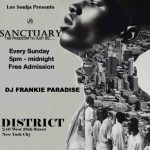
SanctuarySanctuaryTime: 5:00 pm - 12:00 am New York hottest place to be for a fun Sunday evening house music party. JD Frankie Paradise will get you moving whether you dip, twist or just strike a pose.District - 246 west 35th street
July 27, 2026
Flower PowerFlower PowerTime: 10:00 am - 8:00 pm
Channel the spirit of the ’60s at Flower Power, a joyous celebration of the enduring symbolism of flowers as icons of peace and love. Immerse yourself in a groovy and colorful flower show spotlighting the ways in which hippie culture advanced closer relationships with the natural world, and explore vibrant botanical displays.
2900 Southern Blvd
Bronx, NY 10458-5126
Iris van Herpen: Sculpting the SensesIris van Herpen: Sculpting the SensesTime: 10:00 am - 8:00 pm A pioneer in the use of new technologies, Van Herpen transcends conventional clothing norms while embracing both traditional couture artisanship and innovative techniques. Ranging from the micro to the macro, the exhibition explores the body’s place in space, its relationship to clothing and its environment, and its future in a rapidly changing world.Brooklyn Musiem of Art
Morris A. and Meyer Schapiro Wing and Iris and B. Gerald Cantor Gallery, 5th Floor
Guggenheim Pop: 1960 to NowGuggenheim Pop: 1960 to NowTime: 10:00 am - 8:00 pm The show will present iconic works from the museum’s collection by more than 20 artists, including John Chamberlain, Chryssa, Jim Dine, Roy Lichtenstein, Lucas Samaras, and Andy Warhol. Highlights will include Maurizio Cattelan’s Comedian (2019) and Claes Oldenburg and Coosje van Bruggen’s Soft Shuttlecock (1995), on view in New York for the first time in 25 years. These works will be shown alongside Yayoi Kusama’s INFINITY MIRRORED ROOM – DANCING LIGHTS THAT FLEW UP TO THE UNIVERSE (2019), a major loan to the exhibition, and recent acquisitions by contemporary artists such as Farah Al Qasimi, Alex Da Corte, Lucia Hierro, Martine Gutierrez, Lauren Halsey, Mohammed Ahmed Ibrahim, Yee I-Lann, Cara Romero, and Liu Shiyuan, whose practices expand the legacies of Pop.1071 Fifth Avenue New York, NY 10128 (at 88th Street)
The Met’s Arts of AfricaThe Met’s Arts of AfricaTime: 10:00 am - 8:00 pm
The new permanent installation foregrounds the creativity of artists across the subcontinent and enduring, dynamic historical traditions. The Met’s Arts of Africa galleries returned in May 2025, in a reimagined Michael C. Rockefeller Wing. Following a multiyear renovation, the reenvisioned installation reintroduces visitors to the Museum’s collection of sub-Saharan African art through a selection of some 500 works organized to survey major artistic movements and living traditions from across the subcontinent. The new galleries present original creations from the Middle Ages to the present, and one-fourth of the works are on display at the Museum for the first time.
The Met Fifth Avenue
1000 Fifth Avenue
New York, NY 10028
Phone: 212-535-7710
Paramount Movie Nights at Bryant ParkParamount Movie Nights at Bryant ParkTime: 8:00 pm - 10:00 pm Welcome to the 33rd season of summer movies in Bryant Park! Bring a blanket and a friend, and grab your spot on the lawn to watch a feature film on the big screen under the stars. The lawn opens at 5pm and films begin at 8pm.Bryant Park
July 28, 2026
Flower PowerFlower PowerTime: 10:00 am - 8:00 pm
Channel the spirit of the ’60s at Flower Power, a joyous celebration of the enduring symbolism of flowers as icons of peace and love. Immerse yourself in a groovy and colorful flower show spotlighting the ways in which hippie culture advanced closer relationships with the natural world, and explore vibrant botanical displays.
2900 Southern Blvd
Bronx, NY 10458-5126
Bryant Park YogaBryant Park YogaTime: 10:00 am - 11:00 am Everyone’s favorite yoga program returns for summer 2026! From May 27 through September 16, join us for classes Tuesday mornings on the Upper Terrace, and Wednesday evenings on the lawn.Bryant Park Yoga presented by Halara is free to the public. Bring your mat and water and enjoy one hour of yoga with New York City’s top instructors.Bryant Park
42nd Street between 5th and 6th Avenue
Iris van Herpen: Sculpting the SensesIris van Herpen: Sculpting the SensesTime: 10:00 am - 8:00 pm A pioneer in the use of new technologies, Van Herpen transcends conventional clothing norms while embracing both traditional couture artisanship and innovative techniques. Ranging from the micro to the macro, the exhibition explores the body’s place in space, its relationship to clothing and its environment, and its future in a rapidly changing world.Brooklyn Musiem of Art
Morris A. and Meyer Schapiro Wing and Iris and B. Gerald Cantor Gallery, 5th Floor
Guggenheim Pop: 1960 to NowGuggenheim Pop: 1960 to NowTime: 10:00 am - 8:00 pm The show will present iconic works from the museum’s collection by more than 20 artists, including John Chamberlain, Chryssa, Jim Dine, Roy Lichtenstein, Lucas Samaras, and Andy Warhol. Highlights will include Maurizio Cattelan’s Comedian (2019) and Claes Oldenburg and Coosje van Bruggen’s Soft Shuttlecock (1995), on view in New York for the first time in 25 years. These works will be shown alongside Yayoi Kusama’s INFINITY MIRRORED ROOM – DANCING LIGHTS THAT FLEW UP TO THE UNIVERSE (2019), a major loan to the exhibition, and recent acquisitions by contemporary artists such as Farah Al Qasimi, Alex Da Corte, Lucia Hierro, Martine Gutierrez, Lauren Halsey, Mohammed Ahmed Ibrahim, Yee I-Lann, Cara Romero, and Liu Shiyuan, whose practices expand the legacies of Pop.1071 Fifth Avenue New York, NY 10128 (at 88th Street)
The Met’s Arts of AfricaThe Met’s Arts of AfricaTime: 10:00 am - 8:00 pm
The new permanent installation foregrounds the creativity of artists across the subcontinent and enduring, dynamic historical traditions. The Met’s Arts of Africa galleries returned in May 2025, in a reimagined Michael C. Rockefeller Wing. Following a multiyear renovation, the reenvisioned installation reintroduces visitors to the Museum’s collection of sub-Saharan African art through a selection of some 500 works organized to survey major artistic movements and living traditions from across the subcontinent. The new galleries present original creations from the Middle Ages to the present, and one-fourth of the works are on display at the Museum for the first time.
The Met Fifth Avenue
1000 Fifth Avenue
New York, NY 10028
Phone: 212-535-7710
July 29, 2026
Flower PowerFlower PowerTime: 10:00 am - 8:00 pm
Channel the spirit of the ’60s at Flower Power, a joyous celebration of the enduring symbolism of flowers as icons of peace and love. Immerse yourself in a groovy and colorful flower show spotlighting the ways in which hippie culture advanced closer relationships with the natural world, and explore vibrant botanical displays.
2900 Southern Blvd
Bronx, NY 10458-5126
Iris van Herpen: Sculpting the SensesIris van Herpen: Sculpting the SensesTime: 10:00 am - 8:00 pm A pioneer in the use of new technologies, Van Herpen transcends conventional clothing norms while embracing both traditional couture artisanship and innovative techniques. Ranging from the micro to the macro, the exhibition explores the body’s place in space, its relationship to clothing and its environment, and its future in a rapidly changing world.Brooklyn Musiem of Art
Morris A. and Meyer Schapiro Wing and Iris and B. Gerald Cantor Gallery, 5th Floor
Guggenheim Pop: 1960 to NowGuggenheim Pop: 1960 to NowTime: 10:00 am - 8:00 pm The show will present iconic works from the museum’s collection by more than 20 artists, including John Chamberlain, Chryssa, Jim Dine, Roy Lichtenstein, Lucas Samaras, and Andy Warhol. Highlights will include Maurizio Cattelan’s Comedian (2019) and Claes Oldenburg and Coosje van Bruggen’s Soft Shuttlecock (1995), on view in New York for the first time in 25 years. These works will be shown alongside Yayoi Kusama’s INFINITY MIRRORED ROOM – DANCING LIGHTS THAT FLEW UP TO THE UNIVERSE (2019), a major loan to the exhibition, and recent acquisitions by contemporary artists such as Farah Al Qasimi, Alex Da Corte, Lucia Hierro, Martine Gutierrez, Lauren Halsey, Mohammed Ahmed Ibrahim, Yee I-Lann, Cara Romero, and Liu Shiyuan, whose practices expand the legacies of Pop.1071 Fifth Avenue New York, NY 10128 (at 88th Street)
The Met’s Arts of AfricaThe Met’s Arts of AfricaTime: 10:00 am - 8:00 pm
The new permanent installation foregrounds the creativity of artists across the subcontinent and enduring, dynamic historical traditions. The Met’s Arts of Africa galleries returned in May 2025, in a reimagined Michael C. Rockefeller Wing. Following a multiyear renovation, the reenvisioned installation reintroduces visitors to the Museum’s collection of sub-Saharan African art through a selection of some 500 works organized to survey major artistic movements and living traditions from across the subcontinent. The new galleries present original creations from the Middle Ages to the present, and one-fourth of the works are on display at the Museum for the first time.
The Met Fifth Avenue
1000 Fifth Avenue
New York, NY 10028
Phone: 212-535-7710
Bryant Park YogaBryant Park YogaTime: 6:00 pm - 7:00 pm Bryant Park Yoga Everyone’s favorite yoga program returns for summer 2026! From May 27 through September 16, join us for classes Tuesday mornings on the Upper Terrace, and Wednesday evenings on the lawn.Bryant Park Yoga presented by Halara is free to the public. Bring your mat and water and enjoy one hour of yoga with New York City’s top instructors.Bryant Park
July 30, 2026
Dance of The Village Elders at St. Phillips ChurchDance of The Village Elders at St. Phillips ChurchTime: 2:30 am - 3:30 am A dance and wellness classes design for Older Adults taught by Walter Rutledge204 W 134th St, New York, NY 10030
Flower PowerFlower PowerTime: 10:00 am - 8:00 pm
Channel the spirit of the ’60s at Flower Power, a joyous celebration of the enduring symbolism of flowers as icons of peace and love. Immerse yourself in a groovy and colorful flower show spotlighting the ways in which hippie culture advanced closer relationships with the natural world, and explore vibrant botanical displays.
2900 Southern Blvd
Bronx, NY 10458-5126
Iris van Herpen: Sculpting the SensesIris van Herpen: Sculpting the SensesTime: 10:00 am - 8:00 pm A pioneer in the use of new technologies, Van Herpen transcends conventional clothing norms while embracing both traditional couture artisanship and innovative techniques. Ranging from the micro to the macro, the exhibition explores the body’s place in space, its relationship to clothing and its environment, and its future in a rapidly changing world.Brooklyn Musiem of Art
Morris A. and Meyer Schapiro Wing and Iris and B. Gerald Cantor Gallery, 5th Floor
Guggenheim Pop: 1960 to NowGuggenheim Pop: 1960 to NowTime: 10:00 am - 8:00 pm The show will present iconic works from the museum’s collection by more than 20 artists, including John Chamberlain, Chryssa, Jim Dine, Roy Lichtenstein, Lucas Samaras, and Andy Warhol. Highlights will include Maurizio Cattelan’s Comedian (2019) and Claes Oldenburg and Coosje van Bruggen’s Soft Shuttlecock (1995), on view in New York for the first time in 25 years. These works will be shown alongside Yayoi Kusama’s INFINITY MIRRORED ROOM – DANCING LIGHTS THAT FLEW UP TO THE UNIVERSE (2019), a major loan to the exhibition, and recent acquisitions by contemporary artists such as Farah Al Qasimi, Alex Da Corte, Lucia Hierro, Martine Gutierrez, Lauren Halsey, Mohammed Ahmed Ibrahim, Yee I-Lann, Cara Romero, and Liu Shiyuan, whose practices expand the legacies of Pop.1071 Fifth Avenue New York, NY 10128 (at 88th Street)
The Met’s Arts of AfricaThe Met’s Arts of AfricaTime: 10:00 am - 8:00 pm
The new permanent installation foregrounds the creativity of artists across the subcontinent and enduring, dynamic historical traditions. The Met’s Arts of Africa galleries returned in May 2025, in a reimagined Michael C. Rockefeller Wing. Following a multiyear renovation, the reenvisioned installation reintroduces visitors to the Museum’s collection of sub-Saharan African art through a selection of some 500 works organized to survey major artistic movements and living traditions from across the subcontinent. The new galleries present original creations from the Middle Ages to the present, and one-fourth of the works are on display at the Museum for the first time.
The Met Fifth Avenue
1000 Fifth Avenue
New York, NY 10028
Phone: 212-535-7710
July 31, 2026
Flower PowerFlower PowerTime: 10:00 am - 8:00 pm
Channel the spirit of the ’60s at Flower Power, a joyous celebration of the enduring symbolism of flowers as icons of peace and love. Immerse yourself in a groovy and colorful flower show spotlighting the ways in which hippie culture advanced closer relationships with the natural world, and explore vibrant botanical displays.
2900 Southern Blvd
Bronx, NY 10458-5126
Iris van Herpen: Sculpting the SensesIris van Herpen: Sculpting the SensesTime: 10:00 am - 8:00 pm A pioneer in the use of new technologies, Van Herpen transcends conventional clothing norms while embracing both traditional couture artisanship and innovative techniques. Ranging from the micro to the macro, the exhibition explores the body’s place in space, its relationship to clothing and its environment, and its future in a rapidly changing world.Brooklyn Musiem of Art
Morris A. and Meyer Schapiro Wing and Iris and B. Gerald Cantor Gallery, 5th Floor
Guggenheim Pop: 1960 to NowGuggenheim Pop: 1960 to NowTime: 10:00 am - 8:00 pm The show will present iconic works from the museum’s collection by more than 20 artists, including John Chamberlain, Chryssa, Jim Dine, Roy Lichtenstein, Lucas Samaras, and Andy Warhol. Highlights will include Maurizio Cattelan’s Comedian (2019) and Claes Oldenburg and Coosje van Bruggen’s Soft Shuttlecock (1995), on view in New York for the first time in 25 years. These works will be shown alongside Yayoi Kusama’s INFINITY MIRRORED ROOM – DANCING LIGHTS THAT FLEW UP TO THE UNIVERSE (2019), a major loan to the exhibition, and recent acquisitions by contemporary artists such as Farah Al Qasimi, Alex Da Corte, Lucia Hierro, Martine Gutierrez, Lauren Halsey, Mohammed Ahmed Ibrahim, Yee I-Lann, Cara Romero, and Liu Shiyuan, whose practices expand the legacies of Pop.1071 Fifth Avenue New York, NY 10128 (at 88th Street)
The Met’s Arts of AfricaThe Met’s Arts of AfricaTime: 10:00 am - 8:00 pm
The new permanent installation foregrounds the creativity of artists across the subcontinent and enduring, dynamic historical traditions. The Met’s Arts of Africa galleries returned in May 2025, in a reimagined Michael C. Rockefeller Wing. Following a multiyear renovation, the reenvisioned installation reintroduces visitors to the Museum’s collection of sub-Saharan African art through a selection of some 500 works organized to survey major artistic movements and living traditions from across the subcontinent. The new galleries present original creations from the Middle Ages to the present, and one-fourth of the works are on display at the Museum for the first time.
The Met Fifth Avenue
1000 Fifth Avenue
New York, NY 10028
Phone: 212-535-7710
Dance of the Village Elders - R.A.I.N. NeriedDance of the Village Elders - R.A.I.N. NeriedTime: 10:30 am - 11:30 am A dance and wellness classes design for Older Adults taught by Walter Rutledge720 Nereid Ave, Bronx, NY 10466
August 1, 2026
Flower PowerFlower PowerTime: 10:00 am - 8:00 pm
Channel the spirit of the ’60s at Flower Power, a joyous celebration of the enduring symbolism of flowers as icons of peace and love. Immerse yourself in a groovy and colorful flower show spotlighting the ways in which hippie culture advanced closer relationships with the natural world, and explore vibrant botanical displays.
2900 Southern Blvd
Bronx, NY 10458-5126
Iris van Herpen: Sculpting the SensesIris van Herpen: Sculpting the SensesTime: 10:00 am - 8:00 pm A pioneer in the use of new technologies, Van Herpen transcends conventional clothing norms while embracing both traditional couture artisanship and innovative techniques. Ranging from the micro to the macro, the exhibition explores the body’s place in space, its relationship to clothing and its environment, and its future in a rapidly changing world.Brooklyn Musiem of Art
Morris A. and Meyer Schapiro Wing and Iris and B. Gerald Cantor Gallery, 5th Floor
Guggenheim Pop: 1960 to NowGuggenheim Pop: 1960 to NowTime: 10:00 am - 8:00 pm The show will present iconic works from the museum’s collection by more than 20 artists, including John Chamberlain, Chryssa, Jim Dine, Roy Lichtenstein, Lucas Samaras, and Andy Warhol. Highlights will include Maurizio Cattelan’s Comedian (2019) and Claes Oldenburg and Coosje van Bruggen’s Soft Shuttlecock (1995), on view in New York for the first time in 25 years. These works will be shown alongside Yayoi Kusama’s INFINITY MIRRORED ROOM – DANCING LIGHTS THAT FLEW UP TO THE UNIVERSE (2019), a major loan to the exhibition, and recent acquisitions by contemporary artists such as Farah Al Qasimi, Alex Da Corte, Lucia Hierro, Martine Gutierrez, Lauren Halsey, Mohammed Ahmed Ibrahim, Yee I-Lann, Cara Romero, and Liu Shiyuan, whose practices expand the legacies of Pop.1071 Fifth Avenue New York, NY 10128 (at 88th Street)
The Met’s Arts of AfricaThe Met’s Arts of AfricaTime: 10:00 am - 8:00 pm
The new permanent installation foregrounds the creativity of artists across the subcontinent and enduring, dynamic historical traditions. The Met’s Arts of Africa galleries returned in May 2025, in a reimagined Michael C. Rockefeller Wing. Following a multiyear renovation, the reenvisioned installation reintroduces visitors to the Museum’s collection of sub-Saharan African art through a selection of some 500 works organized to survey major artistic movements and living traditions from across the subcontinent. The new galleries present original creations from the Middle Ages to the present, and one-fourth of the works are on display at the Museum for the first time.
The Met Fifth Avenue
1000 Fifth Avenue
New York, NY 10028
Phone: 212-535-7710