By Walter Rutledge

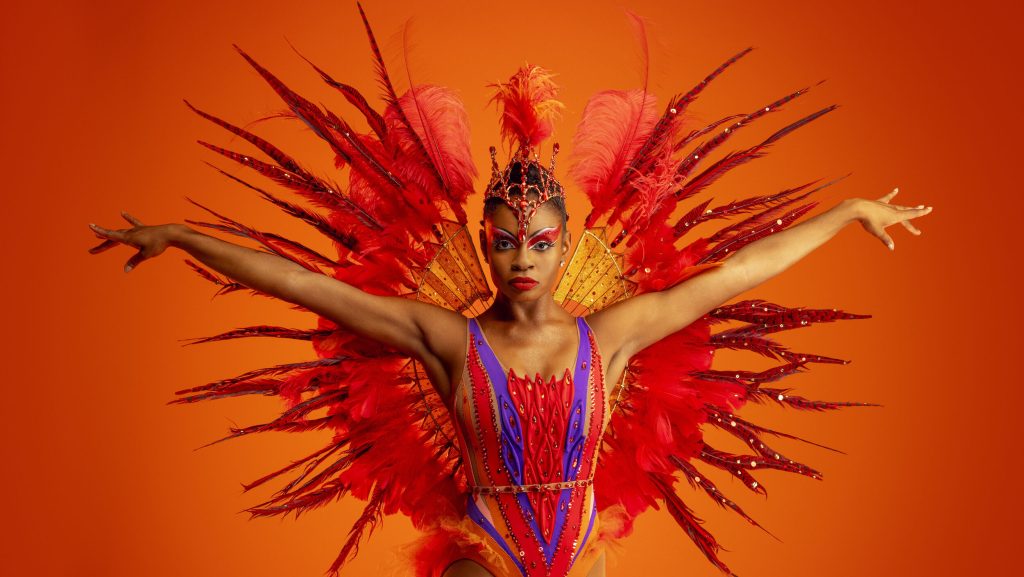
The Dance Theatre of Harlem (DTH) presented their New York City season April 16th thru 19th at New York City Center. The company offered new DTH favorites by William Forsythe, and Jodie Gates, and Artistic Director Robert Garland, and the much-anticipated revival of the iconic story ballet Firebird. The overwhelming response recalls the nostalgic revival of Dougla. It seems the public is clamoring for more from the Arthur Mitchell era.
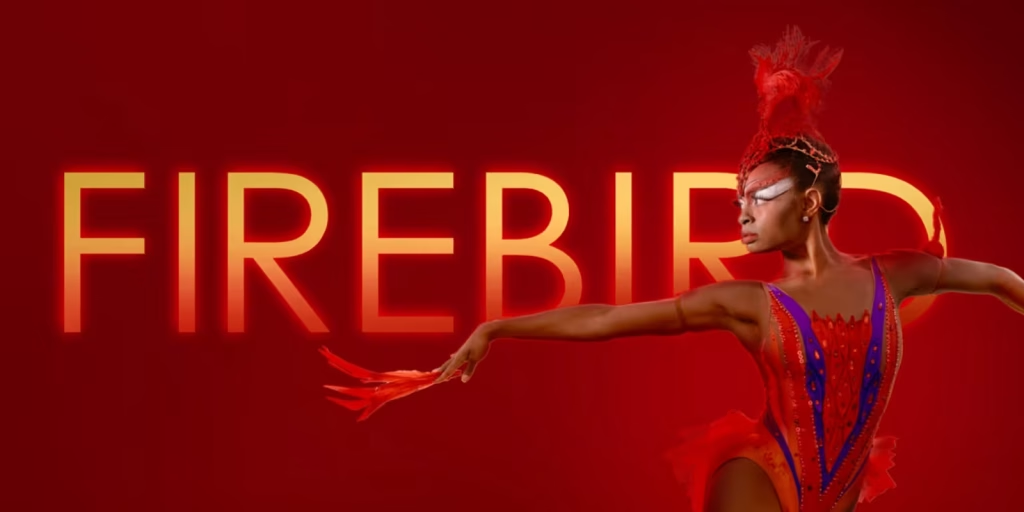
Firebird is a classic tale of good versus evil and of course the good guy falls in love with a beautiful princess. During a moonlit hunting expedition Prince Ivan gets lost in the enchanted garden of the evil sorcerer Kastchei the Deathless. A bird glowing fiery light appears. The prince captures the mythical Firebird, and she pleads for her life. The prince releases her; she gives him a magical feather that will summon her in times of dire need.
The evil Kastchei the Deathless has imprisoned thirteen princesses, and Ivan finds them playing with golden apples in the garden. He immediately falls in love with the most beautiful among them, Princess Tsarevna. When Ivan attempts to follow the princesses into Kastchei’s castle, the sorcerer appears with a horde of monstrous minions and attempts to turn Ivan into stone.
Remembering the gift, Ivan waves the magical feather to summon the Firebird. The Firebird arrives and casts a spell on Kastchei and his followers, forcing them into a frenzied Infernal Dance until they collapse from exhaustion. While they are in a deep sleep, she leads Ivan to a hidden magical egg that contains the sorcerer’s soul. Ivan shatters the egg, killing the evil Kastchei and breaking all his spells.
The ballet was created for the Sergei Diaghilev’s Ballet Russes’ Paris season and premiered at the Opera de Paris on June 25, 1910. The collaboration between composer Igor Stravinsky and choreographer Michel Fokine was an immediate success. The ballet’s public acclaim propelled both Stravinsky and the Ballet Russe into international notoriety. And Firebird became the first of seven collaborations between the composer and empresario.
Over the last century Firebird has been revived, restaged and reimagined by prominent choreographers for some of the most prestigious dance companies. Adolph Bolm created the first American Ballet Theatre (ABT) production in 1945 and in 2012 Alexei Ratmansky premiered his version on the company. Balanchine and Jerome Robbins choreographed for New York City Ballet (1949) and Maurice Bejart presented an avant-garde rendering in 1970. The exotic fairytale leads itself to reinterpretation and in 1982 Dance Theatre of Harlem took ownership with its own Firebird. This company milestone helped cement the still fledgling ensemble (only eleven years old) on the international stage.
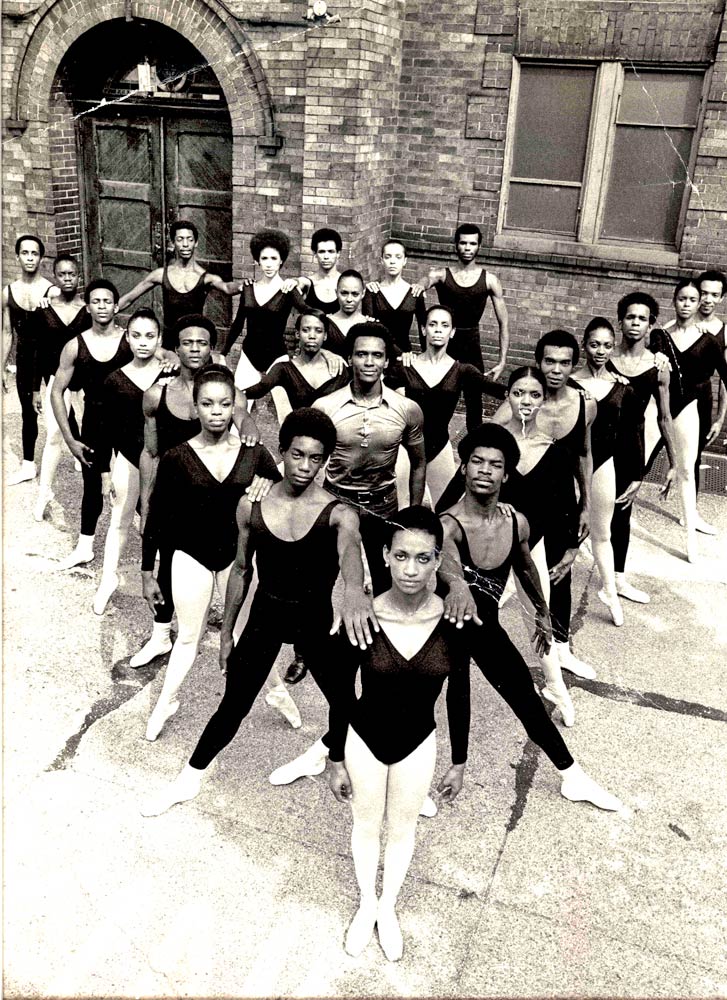
The idea of starting a ballet school and company in Harlem at first seemed true lunacy. In 1969 when Mitchell founded the Dance Theatre of Harlem the city had endured a teacher’s strike and a garbage strike. The historic Black middle-class exodus from Harlem had begun creating increased quality of life inequities.
The average Harlem annual income was $6,000. Far below the national average and approximately $1700 below the national average for blacks. If these obstacles weren’t enough Mitchell’s vision of a Black ballet company was met with skepticism from the African American/Harlem community.

To combat these seemingly insurmountable stumbling blocks Mitchell realized that creating a DTH identity was essential to the company’s survival. The community had to have a sense of ownership that would develop into civic pride for, and allegiance to DTH; and Arthur Mitchell delivered. At the time seeing a Black women en pointe was a novelty – when Virginia Johnson donned an afro (instead of the traditional ballet bun) it became a statement. One of many “refashioning’s” of the aesthetic, and it also translated into the choreography.
“Let’s take Firebird, a Russian folk tale, and transport it to the Caribbean? Why not! Or tell the story of Giselle, a peasant girl seduced by a nobleman, and make it a history lesson about on the caste system among Bayou Blacks? Of course.” The approach changed the perception of these and other works, which anchored them in the Black dance lexicon.
There is a fondness, an almost reverence that still resonates for the Arthur Mitchell era, which many consider the company’s golden age. To recapture that energy the company enlisted the DTH family. Dancers including Donald Williams (original Prince Ivan), Charmaine Hunter (2nd Firebird) and former Firebirds Christina Johnson, Christina Johnson, Kellye Saunders, Bethania Gomes, Paunika Jones, Tai Jimenez returned to help coach roles. And former DTH principal dancers Endalyn Outlaw and the Dean of the School of Dance at University of North Carolina School of the Arts was able to fill in the ancillary characters roles in the Beautiful Maidens and Creatures of Evil sections with her students.
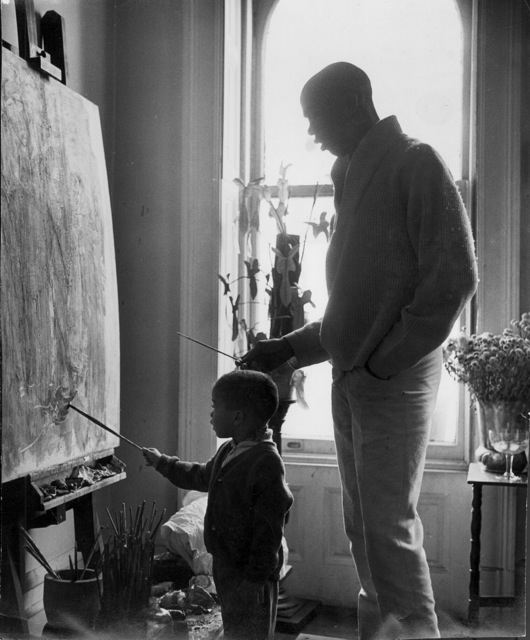
Leo Holder, the steward of his father’s legacy, has done a masterful job retrofitting the costumes and sets. In a sound stage 40 feet above the original backdrops Holder photographed, then digitally restored each image. Set and costume designer Geoffrey Holder was no strange to creating production elements. Holder holds the distinction as the first Black person to win the Best Costume Design Tony Award (The Wiz -1975).
Holder had also designed the set/scenic and costume designs for his own DTH ballets Dougla (1974) and Banda (1982) and The Prodigal Prince (1968) for the Alvin Ailey American Dance Theater. For Firebird (1982) set designer Holder draw inspiration from the floral paintings of American artist Martin Johnson Heade. The common thread throughout all his bold and exotic costume and set designs is their ability to evoke timeless fantasy worlds.
As the lights dimmed the audience broke into an enthusiastic applause welcoming conductor Jeri Lynne Johnson to the orchestra pit. The live music provided by members of Gateways Festival Orchestra added that extra level of cachet the ballet deserved.
The curtain rose revealing a black scrim downstage with two single tropical flowers left and right of center. Both pay homage to Heade’s work. When the scrim rises it reveals a lush garden. Holder’s artistry, which encompasses the legs, borders and backdrop are in his own words, “Simply marvelous”.
One of the most impressive factors about the company’s performance was the overall level of commitment and consistent, sustained character development. The dancers were not just doing steps and making gestures to the music, instead they were embodying the roles. The acting appeared second nature. Every look and gesture were a reaction (how good acting works) and helped to complete the storytelling.
From Derek Brockington’s entrance his characterization of the young Prince Ivan was an appropriate combination of pathos and passion. His portrayal processed a regal innocence, chivalrous yet humble (a true noble trait). The interaction between Ivan and the Firebird graduated from wonder to dominance then benevolence and gratitude.
Alexandra Hutchinson’s Firebird was just that; fiery. She captured the character’s sporadic, almost nervous bird-like energy. This made her crystalline petite allegro, explosive jetes and turns in multiple positions more than just athleticism.
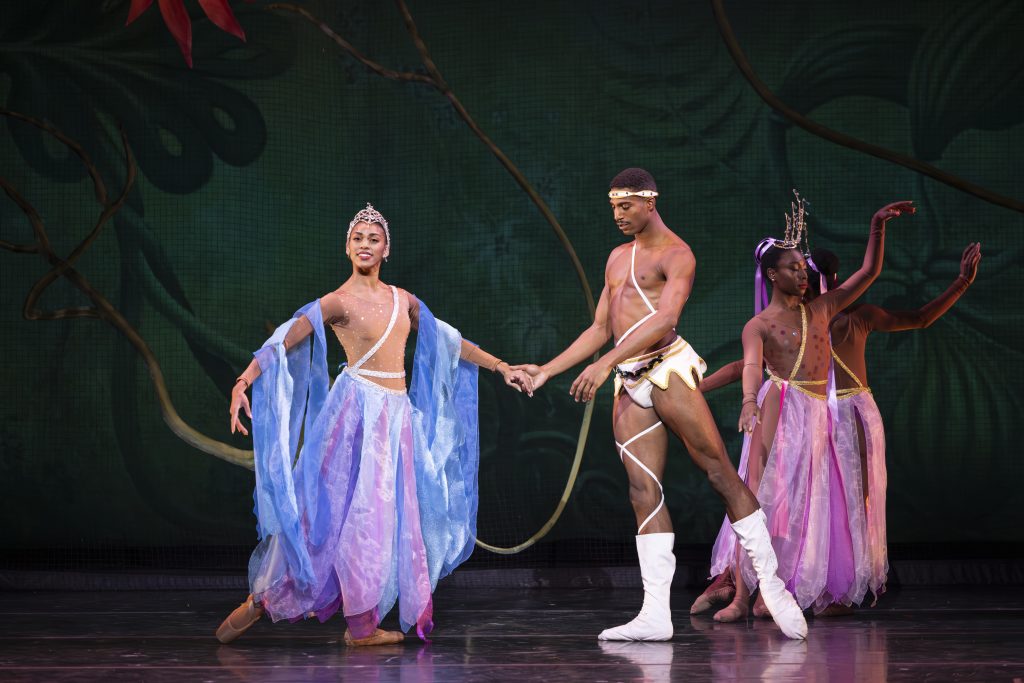
Theater is the art of illusion and Kamala Saara alluded to Lorriane Graves’ Princess Tsarevna aura. She radiated a beauty that was deeper than facade. Her gossamer arms, inviting smile and yielding quality in the partnering sections was in total contrast as Ivan’s more combative encounter with the Firebird.
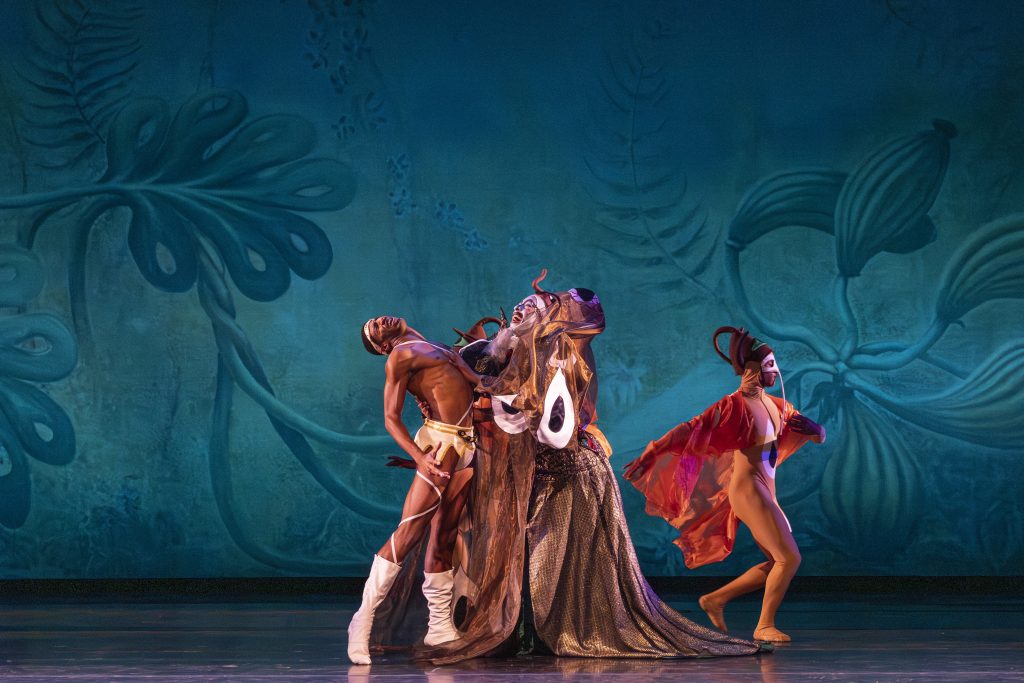
Kastchei the Deathless was a classic ole school villain. Big, over the top, pure evil fun. And Jhaelin McQuay’s interpretation of the ballet’s villain captures that maleficence tenfold.
Choreographer Taras has created a lavish story ballet/spectacle, which displays the principals of good dance making. The corps de ballet was never stagnant they seamlessly framed the primary action and contributed to pacing and direction. While the well-defined characters gave life to the story and its subplots (rising and falling action). In other words, it was fun just getting lost in a well-crafted story ballet.
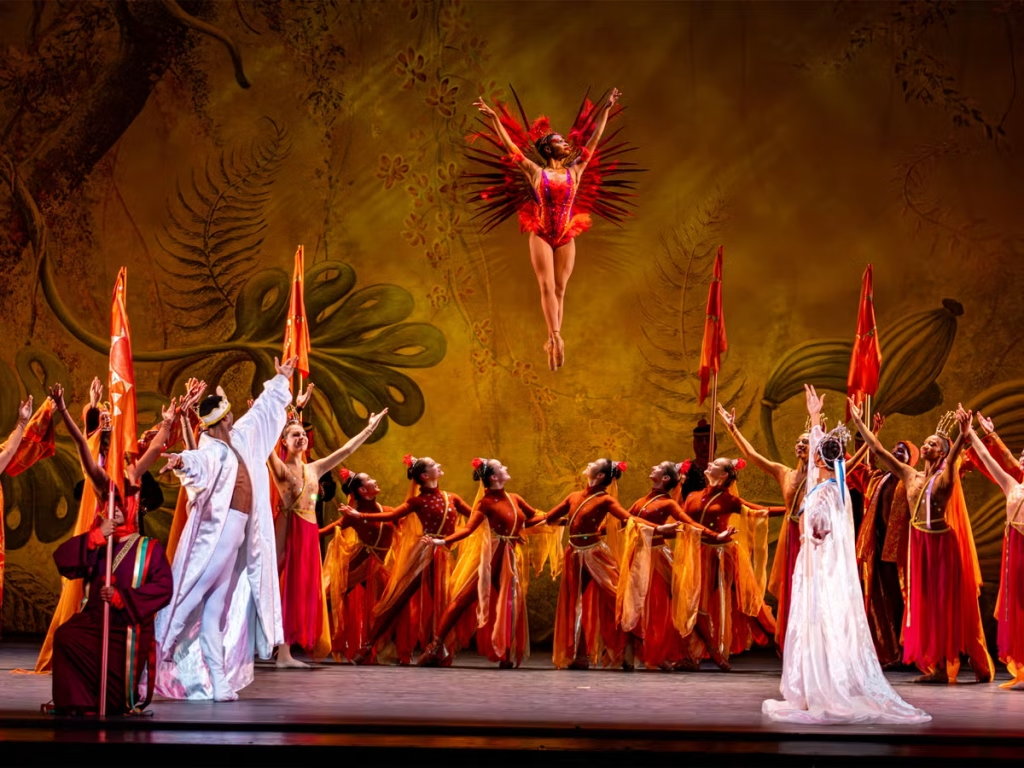
There is a nostalgic comfort revisiting Arthur Mitchell’s Dance Theatre of Harlem. The impressive performance by the present company and guests recalled a grand, defiant time when Blackness was on a mission. The ballet’s final tableau explains it all – Firebird flies high.
On a personal note:
We would love to see a revival of Arthur Mitchell’s Manifestations and John Butler’s Combat. And of course, Louis Johnson’s Forces of Rhythm.
And a bravo and brava to Kouadio Davis and Kamala Saara for their outstanding performance of Gerald Arpino’s Sea Shadow during last fall’s Arpino Dance Festival at the Joyce.

In Photo: 1 & 2 Alexandra Hutchinson, 3. Arthur Mitchell and Dancers at the Church of the Master in Harlem 4. Arthur Mitchell and Virginia Johnson 5. Geoffrey and Leo Holder 6. Kamala Saara and Derek Brockington 7. Derek Brockington, Jhaelin McQuay 8. Alexandra Hutchinson, Kamala Saara, Derek Brockington and Cast
Photography by: 1,2, 8 Nir Arieli, 3&4 Courtesy of DTH Archive 5. Carl Van Vechten 6&7. Rachel Papo