By Walter Rutledge
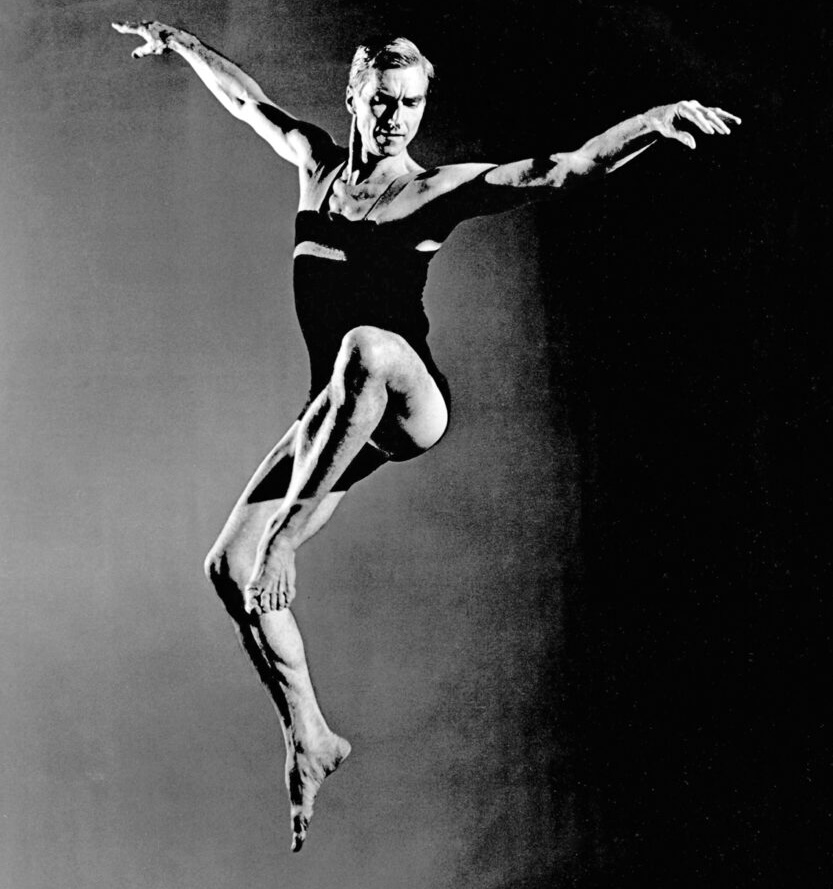
An informal presentation of dance works inspired by 20th century modern mover Erick Hawkins was offered on July 16th at the Joan Weill Center for Dance, studio 5D. A Tribute to Erick Hawkins featured two dances by Gloria McLean and a dance/theatre work by Bert Gstettner. The three solo dances were well suited for the informal and intimate studio setting. These two veteran dance makers displayed a well-honed understanding of the craft and their unique and individual artistic vision.
McLeans opening solo Part 2 of Skin, Flesh and Bone featured dancer Fina with live accompaniment by percussionist Takao Heisho. Fina’s interpretation combined the dance’s vigor with subtle and nuanced moments to create a concise but complete statement. The solo exemplified the concept of sharing the qualities of the technique with the next generation of dancers through choreography.
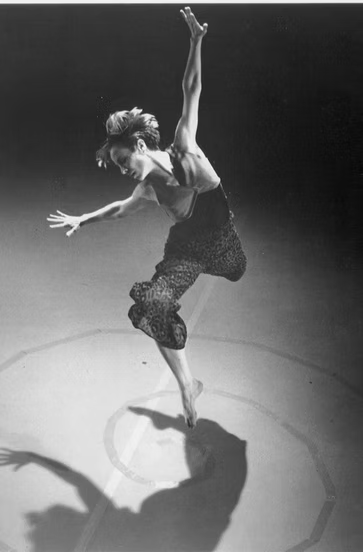
Choreographer McLean performed her second solo I Am. It Dances. Autobiographical by design the work was able to turn her personal journey into a positive dance affirmation. Her inner conflict leads to discovery and a sense of awareness. This is conveyed through freely moving symmetrical/circular patterns that retreated into an almost introspective, contemplative stillness. One memorable gesture driven movement phrase occurred when she stood with her hands covering her eyes and slowly removed them to create a very effective “I once was blind, but now I see” imagery.
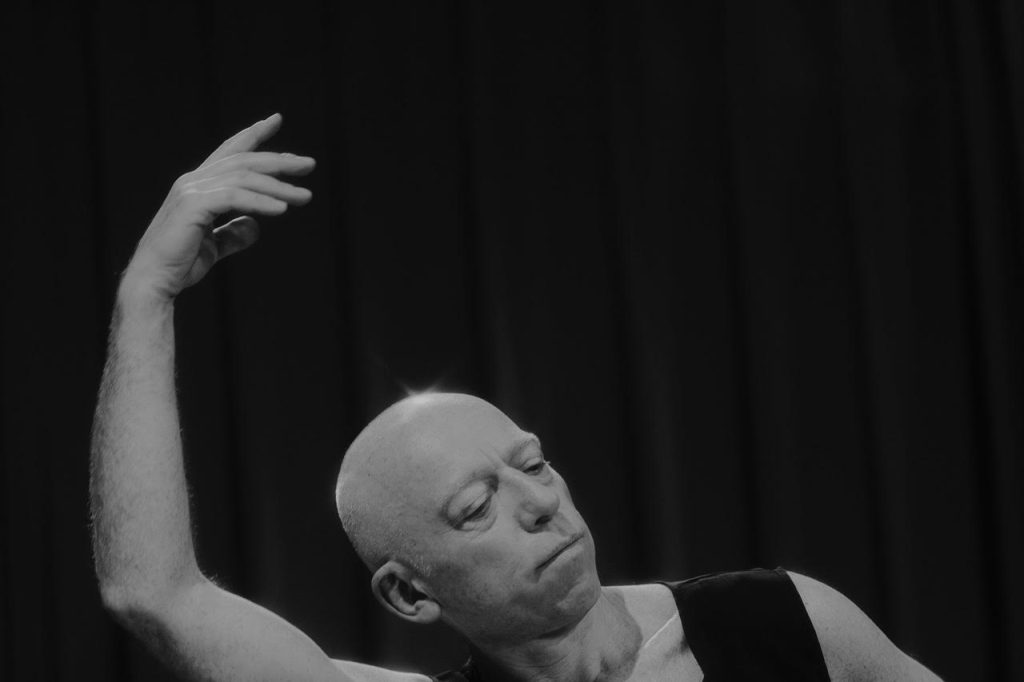
end.less.bow. by Vienna based choreographer Bert Gstettner would have been considered a third of an evening’s program work in a typical concert. The dance theatre abstract narrative combined movement, props, music, and spoken word to create an immersive retelling of the friendship between architect and artist Frederick Kiesler and Hawkins. Gstettner recites commitments made by Hawkins during Kiesler’s funeral in 1964. For a lesser artist the work’s protracted length would have been a disadvantage, but his stage prowess and focused presentation made it time well spent. Spoiler alert: The closing moments created an elegant and complete statement with Gstettner recalling Hawkin’s simple goodbye Endless Bow gesture, which he repeated three times as the artist fades upstage.
The term modern dance has become a misnomer considering the genre is now over one hundred years old. Somehow there is always something new, fresh and “modern” finding its way into the studio and in front of the public. Unfortunately, many of the figures who towered over modern dance are become mere footnotes. Hanya Holme, Talley Beatty, Mary Wigman, Doris Humphrey and Donald McKyle are just a few of the many who are fading from our dance consciousness. I wonder how the Horton technique would have been remembered if not for meteoric fame of Alvin Ailey.
Both choreographers were distinctly their own; but it was like seeing characteristics of a father in his children’s faces. In all the works there were Hawkins’ elements that went beyond the movement quality. Breath timing, the abstract narrative style, pedestrian movement, and the juxtaposition of plastique vs movement were all inherited traits. This tribute to the man known as “the great poet of modern dance” helps keep the Hawkins dance legacy alive and relevant. The choreographer’s physical and artistic commitment and their trust in their mentor’s aesthetic was the real homage to Erick Hawkins.