
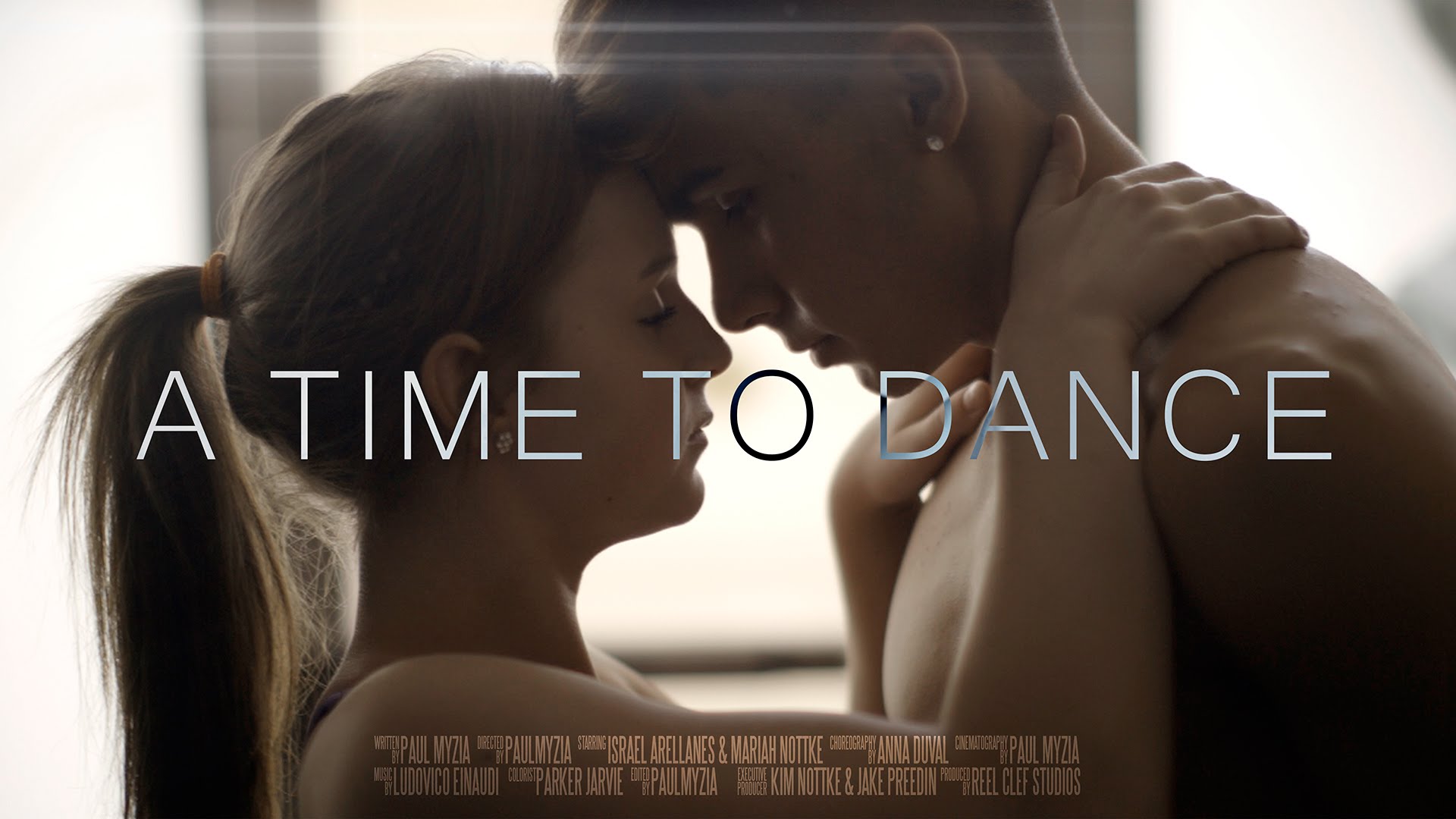
A Time To Dance, a short film, tells the story of two dancers who fall in love. Written and directed by Paul Myzia, starring Israel Arellanes and Mariah Nottke featuring choreography by Anna Duval. Continue reading


A Time To Dance, a short film, tells the story of two dancers who fall in love. Written and directed by Paul Myzia, starring Israel Arellanes and Mariah Nottke featuring choreography by Anna Duval. Continue reading

With the Uprising having begun, it is up to the Lettermakers to assemble The LXD army and recruit fresh blood to fight the ultimate battle. Continue reading

Two long-time enemies, Tendo and Spex, face-off in an action-packed after-hours showdown. Continue reading

A man wakes up in a hospital with no memory and severe convulsions. With the help of a nurse, Autumn, he learns to control the robotic ticks that control his body and plague his heart. However, not everything and everyone is as they seem. Continue reading
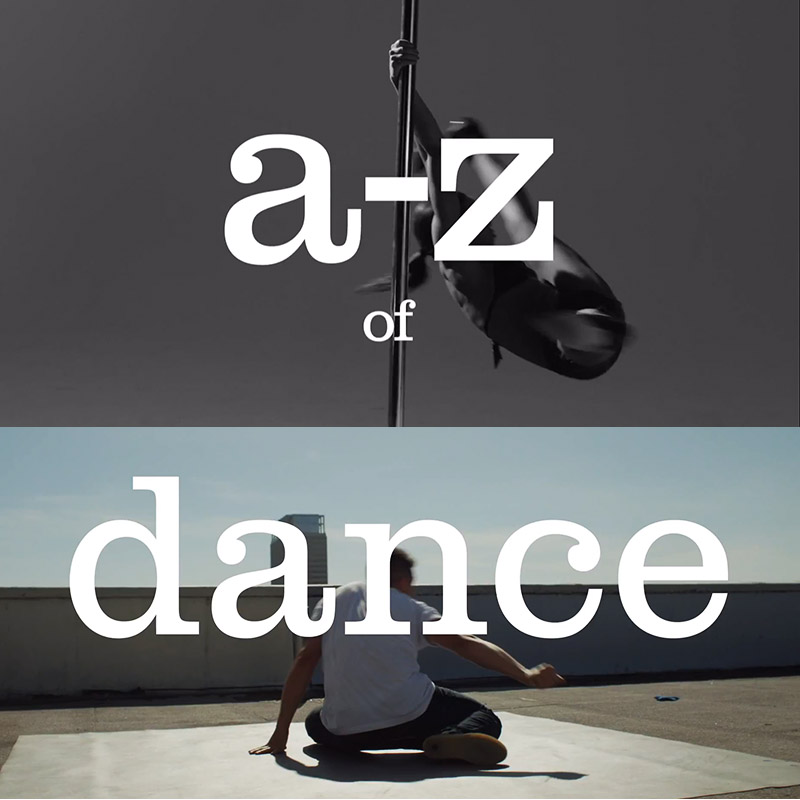
Shot on the streets and rooftops of sunny LA, our A-Z of Dance shows you how to set hearts alight and clubs on fire. Float like an Arabesque, spin like a B-Boy, wobble like a Chicken Noodle Soup… it’s time to step up! In a very special project for i-D and Diesel, director Jacob Sutton has captured the world’s hottest dancers walking in the air in their Jogg Jeans and cut-offs.
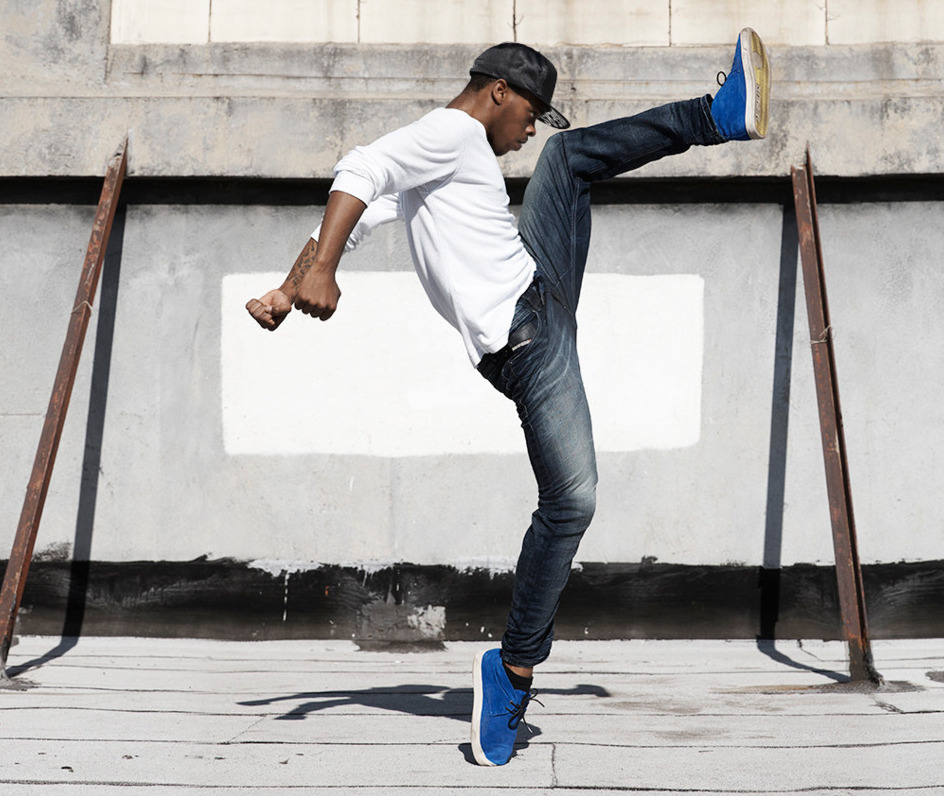
Lil Buck shows us the way of Memphis Jookin. Super-thighs Nicole the Pole – star of Rihanna’s “Pour It Up” video – takes us to a whole other level. And fresh from the Rick Owens catwalk, the Soul Step team show us how to dance to Le1f. Continue reading

Two best friends break into a warehouse and uncover strange artifacts that unleash incredible powers. Continue reading

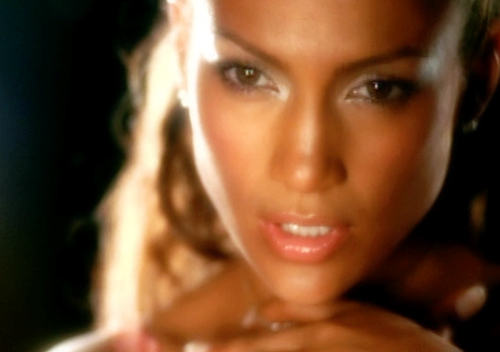
Jennifer Lopez- Waiting for Tonight, offered a thematic depiction of a Y2K New Year’s Eve dance party. The video led to increased media attention, with Lopez being recognized for her curvaceous figure and buttocks. Continue reading
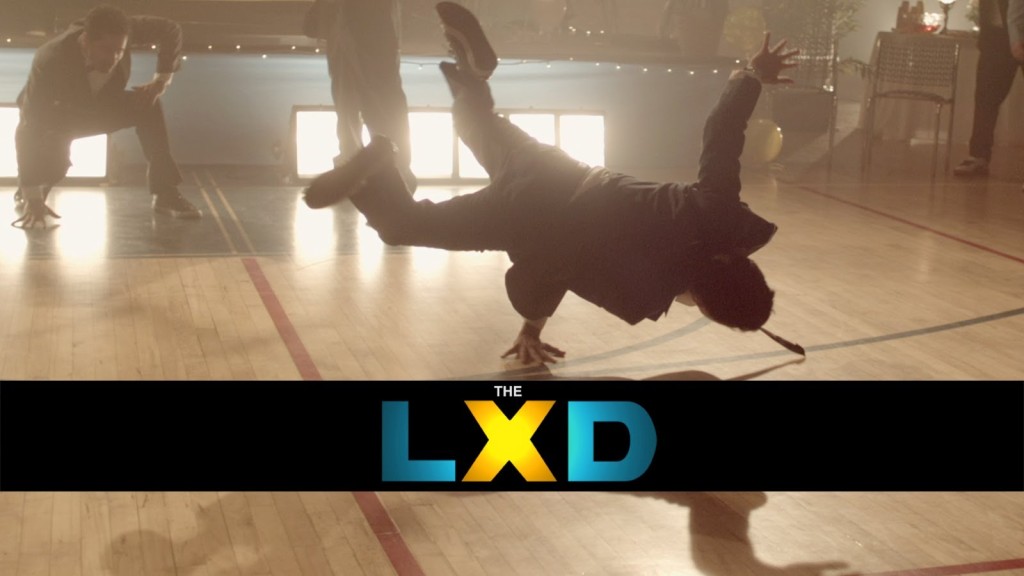
The Legion of Extraordinary Dancers, commonly called The LXD, was a 2010–2011 web series about two groups of rival dancers: The Alliance of the Dark who are the villains and The Legion of Extraordinary Dancers, the heroes, who discover they have superpowers referred to as “the Ra” through their dance abilities. The entire story takes place over hundreds of years, beginning in the 1920s up to the year 3000. Continue reading

Justify My Love by Madonna revolutionized the music industry with the first VHS video single. Due to the highly sexually charged content MTV banned the music video. Madonna capitalized on the scandal becoming the first artist to release a single in this format., Continue reading

Vanessa Williams sings a medley of “Mary Had a Baby” and “Go Tell It on the Mountain” on the TV special David Foster’s Christmas Album musical staging choreography by Walter Painter dancers Paula Brown and Darrel Wright (NBC, December 10, 1993). Continue reading
 A pioneer in the use of new technologies, Van Herpen transcends conventional clothing norms while embracing both traditional couture artisanship and innovative techniques. Ranging from the micro to the macro, the exhibition explores the body’s place in space, its relationship to clothing and its environment, and its future in a rapidly changing world.
Brooklyn Musiem of Art
A pioneer in the use of new technologies, Van Herpen transcends conventional clothing norms while embracing both traditional couture artisanship and innovative techniques. Ranging from the micro to the macro, the exhibition explores the body’s place in space, its relationship to clothing and its environment, and its future in a rapidly changing world.
Brooklyn Musiem of Art The show will present iconic works from the museum’s collection by more than 20 artists, including John Chamberlain, Chryssa, Jim Dine, Roy Lichtenstein, Lucas Samaras, and Andy Warhol. Highlights will include Maurizio Cattelan’s Comedian (2019) and Claes Oldenburg and Coosje van Bruggen’s Soft Shuttlecock (1995), on view in New York for the first time in 25 years. These works will be shown alongside Yayoi Kusama’s INFINITY MIRRORED ROOM – DANCING LIGHTS THAT FLEW UP TO THE UNIVERSE (2019), a major loan to the exhibition, and recent acquisitions by contemporary artists such as Farah Al Qasimi, Alex Da Corte, Lucia Hierro, Martine Gutierrez, Lauren Halsey, Mohammed Ahmed Ibrahim, Yee I-Lann, Cara Romero, and Liu Shiyuan, whose practices expand the legacies of Pop.
1071 Fifth Avenue New York, NY 10128 (at 88th Street)
The show will present iconic works from the museum’s collection by more than 20 artists, including John Chamberlain, Chryssa, Jim Dine, Roy Lichtenstein, Lucas Samaras, and Andy Warhol. Highlights will include Maurizio Cattelan’s Comedian (2019) and Claes Oldenburg and Coosje van Bruggen’s Soft Shuttlecock (1995), on view in New York for the first time in 25 years. These works will be shown alongside Yayoi Kusama’s INFINITY MIRRORED ROOM – DANCING LIGHTS THAT FLEW UP TO THE UNIVERSE (2019), a major loan to the exhibition, and recent acquisitions by contemporary artists such as Farah Al Qasimi, Alex Da Corte, Lucia Hierro, Martine Gutierrez, Lauren Halsey, Mohammed Ahmed Ibrahim, Yee I-Lann, Cara Romero, and Liu Shiyuan, whose practices expand the legacies of Pop.
1071 Fifth Avenue New York, NY 10128 (at 88th Street)

The new permanent installation foregrounds the creativity of artists across the subcontinent and enduring, dynamic historical traditions. The Met’s Arts of Africa galleries returned in May 2025, in a reimagined Michael C. Rockefeller Wing. Following a multiyear renovation, the reenvisioned installation reintroduces visitors to the Museum’s collection of sub-Saharan African art through a selection of some 500 works organized to survey major artistic movements and living traditions from across the subcontinent. The new galleries present original creations from the Middle Ages to the present, and one-fourth of the works are on display at the Museum for the first time.
The Met Fifth Avenue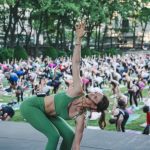 Bryant Park Yoga Everyone’s favorite yoga program returns for summer 2026! From May 27 through September 16, join us for classes Tuesday mornings on the Upper Terrace, and Wednesday evenings on the lawn.
Bryant Park Yoga presented by Halara is free to the public. Bring your mat and water and enjoy one hour of yoga with New York City’s top instructors.
Bryant Park
Bryant Park Yoga Everyone’s favorite yoga program returns for summer 2026! From May 27 through September 16, join us for classes Tuesday mornings on the Upper Terrace, and Wednesday evenings on the lawn.
Bryant Park Yoga presented by Halara is free to the public. Bring your mat and water and enjoy one hour of yoga with New York City’s top instructors.
Bryant Park
 A dance and wellness classes design for Older Adults taught by Walter Rutledge
204 W 134th St, New York, NY 10030
A pioneer in the use of new technologies, Van Herpen transcends conventional clothing norms while embracing both traditional couture artisanship and innovative techniques. Ranging from the micro to the macro, the exhibition explores the body’s place in space, its relationship to clothing and its environment, and its future in a rapidly changing world.
Brooklyn Musiem of ArtThe show will present iconic works from the museum’s collection by more than 20 artists, including John Chamberlain, Chryssa, Jim Dine, Roy Lichtenstein, Lucas Samaras, and Andy Warhol. Highlights will include Maurizio Cattelan’s Comedian (2019) and Claes Oldenburg and Coosje van Bruggen’s Soft Shuttlecock (1995), on view in New York for the first time in 25 years. These works will be shown alongside Yayoi Kusama’s INFINITY MIRRORED ROOM – DANCING LIGHTS THAT FLEW UP TO THE UNIVERSE (2019), a major loan to the exhibition, and recent acquisitions by contemporary artists such as Farah Al Qasimi, Alex Da Corte, Lucia Hierro, Martine Gutierrez, Lauren Halsey, Mohammed Ahmed Ibrahim, Yee I-Lann, Cara Romero, and Liu Shiyuan, whose practices expand the legacies of Pop.
1071 Fifth Avenue New York, NY 10128 (at 88th Street)
A dance and wellness classes design for Older Adults taught by Walter Rutledge
204 W 134th St, New York, NY 10030
A pioneer in the use of new technologies, Van Herpen transcends conventional clothing norms while embracing both traditional couture artisanship and innovative techniques. Ranging from the micro to the macro, the exhibition explores the body’s place in space, its relationship to clothing and its environment, and its future in a rapidly changing world.
Brooklyn Musiem of ArtThe show will present iconic works from the museum’s collection by more than 20 artists, including John Chamberlain, Chryssa, Jim Dine, Roy Lichtenstein, Lucas Samaras, and Andy Warhol. Highlights will include Maurizio Cattelan’s Comedian (2019) and Claes Oldenburg and Coosje van Bruggen’s Soft Shuttlecock (1995), on view in New York for the first time in 25 years. These works will be shown alongside Yayoi Kusama’s INFINITY MIRRORED ROOM – DANCING LIGHTS THAT FLEW UP TO THE UNIVERSE (2019), a major loan to the exhibition, and recent acquisitions by contemporary artists such as Farah Al Qasimi, Alex Da Corte, Lucia Hierro, Martine Gutierrez, Lauren Halsey, Mohammed Ahmed Ibrahim, Yee I-Lann, Cara Romero, and Liu Shiyuan, whose practices expand the legacies of Pop.
1071 Fifth Avenue New York, NY 10128 (at 88th Street)
The new permanent installation foregrounds the creativity of artists across the subcontinent and enduring, dynamic historical traditions. The Met’s Arts of Africa galleries returned in May 2025, in a reimagined Michael C. Rockefeller Wing. Following a multiyear renovation, the reenvisioned installation reintroduces visitors to the Museum’s collection of sub-Saharan African art through a selection of some 500 works organized to survey major artistic movements and living traditions from across the subcontinent. The new galleries present original creations from the Middle Ages to the present, and one-fourth of the works are on display at the Museum for the first time.
The Met Fifth AvenueA pioneer in the use of new technologies, Van Herpen transcends conventional clothing norms while embracing both traditional couture artisanship and innovative techniques. Ranging from the micro to the macro, the exhibition explores the body’s place in space, its relationship to clothing and its environment, and its future in a rapidly changing world.
Brooklyn Musiem of ArtThe show will present iconic works from the museum’s collection by more than 20 artists, including John Chamberlain, Chryssa, Jim Dine, Roy Lichtenstein, Lucas Samaras, and Andy Warhol. Highlights will include Maurizio Cattelan’s Comedian (2019) and Claes Oldenburg and Coosje van Bruggen’s Soft Shuttlecock (1995), on view in New York for the first time in 25 years. These works will be shown alongside Yayoi Kusama’s INFINITY MIRRORED ROOM – DANCING LIGHTS THAT FLEW UP TO THE UNIVERSE (2019), a major loan to the exhibition, and recent acquisitions by contemporary artists such as Farah Al Qasimi, Alex Da Corte, Lucia Hierro, Martine Gutierrez, Lauren Halsey, Mohammed Ahmed Ibrahim, Yee I-Lann, Cara Romero, and Liu Shiyuan, whose practices expand the legacies of Pop.
1071 Fifth Avenue New York, NY 10128 (at 88th Street)
The new permanent installation foregrounds the creativity of artists across the subcontinent and enduring, dynamic historical traditions. The Met’s Arts of Africa galleries returned in May 2025, in a reimagined Michael C. Rockefeller Wing. Following a multiyear renovation, the reenvisioned installation reintroduces visitors to the Museum’s collection of sub-Saharan African art through a selection of some 500 works organized to survey major artistic movements and living traditions from across the subcontinent. The new galleries present original creations from the Middle Ages to the present, and one-fourth of the works are on display at the Museum for the first time.
The Met Fifth AvenueA dance and wellness classes design for Older Adults taught by Walter Rutledge
720 Nereid Ave, Bronx, NY 10466
A pioneer in the use of new technologies, Van Herpen transcends conventional clothing norms while embracing both traditional couture artisanship and innovative techniques. Ranging from the micro to the macro, the exhibition explores the body’s place in space, its relationship to clothing and its environment, and its future in a rapidly changing world.
Brooklyn Musiem of ArtThe show will present iconic works from the museum’s collection by more than 20 artists, including John Chamberlain, Chryssa, Jim Dine, Roy Lichtenstein, Lucas Samaras, and Andy Warhol. Highlights will include Maurizio Cattelan’s Comedian (2019) and Claes Oldenburg and Coosje van Bruggen’s Soft Shuttlecock (1995), on view in New York for the first time in 25 years. These works will be shown alongside Yayoi Kusama’s INFINITY MIRRORED ROOM – DANCING LIGHTS THAT FLEW UP TO THE UNIVERSE (2019), a major loan to the exhibition, and recent acquisitions by contemporary artists such as Farah Al Qasimi, Alex Da Corte, Lucia Hierro, Martine Gutierrez, Lauren Halsey, Mohammed Ahmed Ibrahim, Yee I-Lann, Cara Romero, and Liu Shiyuan, whose practices expand the legacies of Pop.
1071 Fifth Avenue New York, NY 10128 (at 88th Street)
The new permanent installation foregrounds the creativity of artists across the subcontinent and enduring, dynamic historical traditions. The Met’s Arts of Africa galleries returned in May 2025, in a reimagined Michael C. Rockefeller Wing. Following a multiyear renovation, the reenvisioned installation reintroduces visitors to the Museum’s collection of sub-Saharan African art through a selection of some 500 works organized to survey major artistic movements and living traditions from across the subcontinent. The new galleries present original creations from the Middle Ages to the present, and one-fourth of the works are on display at the Museum for the first time.
The Met Fifth AvenueA pioneer in the use of new technologies, Van Herpen transcends conventional clothing norms while embracing both traditional couture artisanship and innovative techniques. Ranging from the micro to the macro, the exhibition explores the body’s place in space, its relationship to clothing and its environment, and its future in a rapidly changing world.
Brooklyn Musiem of ArtThe show will present iconic works from the museum’s collection by more than 20 artists, including John Chamberlain, Chryssa, Jim Dine, Roy Lichtenstein, Lucas Samaras, and Andy Warhol. Highlights will include Maurizio Cattelan’s Comedian (2019) and Claes Oldenburg and Coosje van Bruggen’s Soft Shuttlecock (1995), on view in New York for the first time in 25 years. These works will be shown alongside Yayoi Kusama’s INFINITY MIRRORED ROOM – DANCING LIGHTS THAT FLEW UP TO THE UNIVERSE (2019), a major loan to the exhibition, and recent acquisitions by contemporary artists such as Farah Al Qasimi, Alex Da Corte, Lucia Hierro, Martine Gutierrez, Lauren Halsey, Mohammed Ahmed Ibrahim, Yee I-Lann, Cara Romero, and Liu Shiyuan, whose practices expand the legacies of Pop.
1071 Fifth Avenue New York, NY 10128 (at 88th Street)
The new permanent installation foregrounds the creativity of artists across the subcontinent and enduring, dynamic historical traditions. The Met’s Arts of Africa galleries returned in May 2025, in a reimagined Michael C. Rockefeller Wing. Following a multiyear renovation, the reenvisioned installation reintroduces visitors to the Museum’s collection of sub-Saharan African art through a selection of some 500 works organized to survey major artistic movements and living traditions from across the subcontinent. The new galleries present original creations from the Middle Ages to the present, and one-fourth of the works are on display at the Museum for the first time.
The Met Fifth Avenue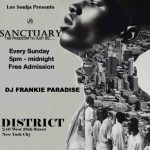 New York hottest place to be for a fun Sunday evening house music party. JD Frankie Paradise will get you moving whether you dip, twist or just strike a pose.
District - 246 west 35th street
A pioneer in the use of new technologies, Van Herpen transcends conventional clothing norms while embracing both traditional couture artisanship and innovative techniques. Ranging from the micro to the macro, the exhibition explores the body’s place in space, its relationship to clothing and its environment, and its future in a rapidly changing world.
Brooklyn Musiem of ArtThe show will present iconic works from the museum’s collection by more than 20 artists, including John Chamberlain, Chryssa, Jim Dine, Roy Lichtenstein, Lucas Samaras, and Andy Warhol. Highlights will include Maurizio Cattelan’s Comedian (2019) and Claes Oldenburg and Coosje van Bruggen’s Soft Shuttlecock (1995), on view in New York for the first time in 25 years. These works will be shown alongside Yayoi Kusama’s INFINITY MIRRORED ROOM – DANCING LIGHTS THAT FLEW UP TO THE UNIVERSE (2019), a major loan to the exhibition, and recent acquisitions by contemporary artists such as Farah Al Qasimi, Alex Da Corte, Lucia Hierro, Martine Gutierrez, Lauren Halsey, Mohammed Ahmed Ibrahim, Yee I-Lann, Cara Romero, and Liu Shiyuan, whose practices expand the legacies of Pop.
1071 Fifth Avenue New York, NY 10128 (at 88th Street)
New York hottest place to be for a fun Sunday evening house music party. JD Frankie Paradise will get you moving whether you dip, twist or just strike a pose.
District - 246 west 35th street
A pioneer in the use of new technologies, Van Herpen transcends conventional clothing norms while embracing both traditional couture artisanship and innovative techniques. Ranging from the micro to the macro, the exhibition explores the body’s place in space, its relationship to clothing and its environment, and its future in a rapidly changing world.
Brooklyn Musiem of ArtThe show will present iconic works from the museum’s collection by more than 20 artists, including John Chamberlain, Chryssa, Jim Dine, Roy Lichtenstein, Lucas Samaras, and Andy Warhol. Highlights will include Maurizio Cattelan’s Comedian (2019) and Claes Oldenburg and Coosje van Bruggen’s Soft Shuttlecock (1995), on view in New York for the first time in 25 years. These works will be shown alongside Yayoi Kusama’s INFINITY MIRRORED ROOM – DANCING LIGHTS THAT FLEW UP TO THE UNIVERSE (2019), a major loan to the exhibition, and recent acquisitions by contemporary artists such as Farah Al Qasimi, Alex Da Corte, Lucia Hierro, Martine Gutierrez, Lauren Halsey, Mohammed Ahmed Ibrahim, Yee I-Lann, Cara Romero, and Liu Shiyuan, whose practices expand the legacies of Pop.
1071 Fifth Avenue New York, NY 10128 (at 88th Street)
The new permanent installation foregrounds the creativity of artists across the subcontinent and enduring, dynamic historical traditions. The Met’s Arts of Africa galleries returned in May 2025, in a reimagined Michael C. Rockefeller Wing. Following a multiyear renovation, the reenvisioned installation reintroduces visitors to the Museum’s collection of sub-Saharan African art through a selection of some 500 works organized to survey major artistic movements and living traditions from across the subcontinent. The new galleries present original creations from the Middle Ages to the present, and one-fourth of the works are on display at the Museum for the first time.
The Met Fifth Avenue Welcome to the 33rd season of summer movies in Bryant Park! Bring a blanket and a friend, and grab your spot on the lawn to watch a feature film on the big screen under the stars. The lawn opens at 5pm and films begin at 8pm.
 Bryant Park
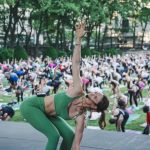 Everyone’s favorite yoga program returns for summer 2026! From May 27 through September 16, join us for classes Tuesday mornings on the Upper Terrace, and Wednesday evenings on the lawn.
Bryant Park Yoga presented by Halara is free to the public. Bring your mat and water and enjoy one hour of yoga with New York City’s top instructors.
Bryant ParkA pioneer in the use of new technologies, Van Herpen transcends conventional clothing norms while embracing both traditional couture artisanship and innovative techniques. Ranging from the micro to the macro, the exhibition explores the body’s place in space, its relationship to clothing and its environment, and its future in a rapidly changing world.
Brooklyn Musiem of ArtThe show will present iconic works from the museum’s collection by more than 20 artists, including John Chamberlain, Chryssa, Jim Dine, Roy Lichtenstein, Lucas Samaras, and Andy Warhol. Highlights will include Maurizio Cattelan’s Comedian (2019) and Claes Oldenburg and Coosje van Bruggen’s Soft Shuttlecock (1995), on view in New York for the first time in 25 years. These works will be shown alongside Yayoi Kusama’s INFINITY MIRRORED ROOM – DANCING LIGHTS THAT FLEW UP TO THE UNIVERSE (2019), a major loan to the exhibition, and recent acquisitions by contemporary artists such as Farah Al Qasimi, Alex Da Corte, Lucia Hierro, Martine Gutierrez, Lauren Halsey, Mohammed Ahmed Ibrahim, Yee I-Lann, Cara Romero, and Liu Shiyuan, whose practices expand the legacies of Pop.
1071 Fifth Avenue New York, NY 10128 (at 88th Street)
Everyone’s favorite yoga program returns for summer 2026! From May 27 through September 16, join us for classes Tuesday mornings on the Upper Terrace, and Wednesday evenings on the lawn.
Bryant Park Yoga presented by Halara is free to the public. Bring your mat and water and enjoy one hour of yoga with New York City’s top instructors.
Bryant ParkA pioneer in the use of new technologies, Van Herpen transcends conventional clothing norms while embracing both traditional couture artisanship and innovative techniques. Ranging from the micro to the macro, the exhibition explores the body’s place in space, its relationship to clothing and its environment, and its future in a rapidly changing world.
Brooklyn Musiem of ArtThe show will present iconic works from the museum’s collection by more than 20 artists, including John Chamberlain, Chryssa, Jim Dine, Roy Lichtenstein, Lucas Samaras, and Andy Warhol. Highlights will include Maurizio Cattelan’s Comedian (2019) and Claes Oldenburg and Coosje van Bruggen’s Soft Shuttlecock (1995), on view in New York for the first time in 25 years. These works will be shown alongside Yayoi Kusama’s INFINITY MIRRORED ROOM – DANCING LIGHTS THAT FLEW UP TO THE UNIVERSE (2019), a major loan to the exhibition, and recent acquisitions by contemporary artists such as Farah Al Qasimi, Alex Da Corte, Lucia Hierro, Martine Gutierrez, Lauren Halsey, Mohammed Ahmed Ibrahim, Yee I-Lann, Cara Romero, and Liu Shiyuan, whose practices expand the legacies of Pop.
1071 Fifth Avenue New York, NY 10128 (at 88th Street)
The new permanent installation foregrounds the creativity of artists across the subcontinent and enduring, dynamic historical traditions. The Met’s Arts of Africa galleries returned in May 2025, in a reimagined Michael C. Rockefeller Wing. Following a multiyear renovation, the reenvisioned installation reintroduces visitors to the Museum’s collection of sub-Saharan African art through a selection of some 500 works organized to survey major artistic movements and living traditions from across the subcontinent. The new galleries present original creations from the Middle Ages to the present, and one-fourth of the works are on display at the Museum for the first time.
The Met Fifth AvenueA pioneer in the use of new technologies, Van Herpen transcends conventional clothing norms while embracing both traditional couture artisanship and innovative techniques. Ranging from the micro to the macro, the exhibition explores the body’s place in space, its relationship to clothing and its environment, and its future in a rapidly changing world.
Brooklyn Musiem of ArtThe show will present iconic works from the museum’s collection by more than 20 artists, including John Chamberlain, Chryssa, Jim Dine, Roy Lichtenstein, Lucas Samaras, and Andy Warhol. Highlights will include Maurizio Cattelan’s Comedian (2019) and Claes Oldenburg and Coosje van Bruggen’s Soft Shuttlecock (1995), on view in New York for the first time in 25 years. These works will be shown alongside Yayoi Kusama’s INFINITY MIRRORED ROOM – DANCING LIGHTS THAT FLEW UP TO THE UNIVERSE (2019), a major loan to the exhibition, and recent acquisitions by contemporary artists such as Farah Al Qasimi, Alex Da Corte, Lucia Hierro, Martine Gutierrez, Lauren Halsey, Mohammed Ahmed Ibrahim, Yee I-Lann, Cara Romero, and Liu Shiyuan, whose practices expand the legacies of Pop.
1071 Fifth Avenue New York, NY 10128 (at 88th Street)
The new permanent installation foregrounds the creativity of artists across the subcontinent and enduring, dynamic historical traditions. The Met’s Arts of Africa galleries returned in May 2025, in a reimagined Michael C. Rockefeller Wing. Following a multiyear renovation, the reenvisioned installation reintroduces visitors to the Museum’s collection of sub-Saharan African art through a selection of some 500 works organized to survey major artistic movements and living traditions from across the subcontinent. The new galleries present original creations from the Middle Ages to the present, and one-fourth of the works are on display at the Museum for the first time.
The Met Fifth AvenueBryant Park Yoga Everyone’s favorite yoga program returns for summer 2026! From May 27 through September 16, join us for classes Tuesday mornings on the Upper Terrace, and Wednesday evenings on the lawn.
Bryant Park Yoga presented by Halara is free to the public. Bring your mat and water and enjoy one hour of yoga with New York City’s top instructors.
Bryant Park