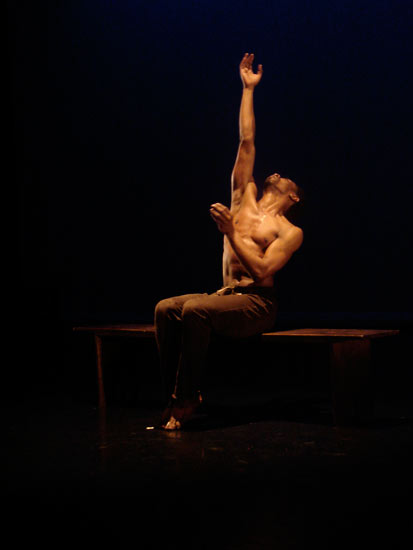
Promethean Fire (2002) is danced to the music of three of Leopold Stokowski’s famous Bach transcriptions (Opus 116). The ensemble work is one of Paul Taylor’s six ballets set to the music of the baroque master. This excerpt is the first movement choreographed to the celebrated Toccata and Fugue in D minor. Continue reading
Swan Lakepremiered by the Bolshoi Ballet on 4 March 1877 at the Bolshoi Theatre in Moscow. The scenario, initially in two acts, was fashioned from Russian folk tales and tells the story of Odette, a princess turned into a swan by an evil sorcerer’s curse. The choreographer of the original production was Julius Reisinger and Pyotr Ilyich Tchaikovsky composed the music in 1875–76.
The première was not well-received, with near unanimous criticism concerning the dancers, orchestra, and stage sets. Unfortunately Tchaikovsky’s masterful score was lost in the debacle of the poor production, and though there were a few critics who recognised its virtues, most considered it to be far too complicated for ballet. Most of the critics were not themselves familiar with ballet or music but rather with spoken melodrama. Critics considered Tchaikovsky’s music “too noisy, too ‘Wagnerian’ and too symphonic.” The critics also found fault with Reisinger’s choreography which they thought was “unimaginative and altogether unmemorable.
Svetlana Zakharova and Denis Rodkin in Act II Grand Pas-de-Deux
During the late 1880s and early 1890s, Petipa and Vsevolozhsky considered reviving Swan Lake and were in talks with Tchaikovsky about doing so. Tchaikovsky died on 6 November 1893, just when plans to revive Swan Lake were beginning to come to fruition. Italian composer Riccardo Eugenio Drigo was forced to revise the score himself, but not before receiving approval from Tchaikovsky’s younger brother, Modest.
Svetlana Zakharova and Denis Rodkin in Black Pas de Deux
The revival premièred Friday, 27 January 1895. Although the Petipa/Ivanov/Drigo version was a success, it was given only sixteen performances between the première and the 1895–1896 season and no performances in the 1897 season.
The Dance Theatre of Harlem (DTH) held their 4th annual Vision Gala on Tuesday, February 24 at Cipriani, 110 East 42nd Street. The fundraiser honored opera diva Jessye Norman with the Arthur Mitchell Vision Award. Theodore Bartwink was honored posthumously with the Carl & Lily Pforzheimer Family Foundation Medal. For over three decades Bartwink was the Director of the Harness Center for Dance. The Virtuoso Award Honorees were Mario Baeza and Under Armour, Inc.Continue reading
The Dance Theatre of Harlem (DTH) held their 4th annual Vision Gala on Tuesday, February 24 at Cipriani, 110 East 42nd Street. The fundraiser honored opera diva Jessye Norman with the Arthur Mitchell Vision Award. Theodore Bartwink was honored posthumously with the Carl & Lily Pforzheimer Family Foundation Medal. For over three decades Bartwink was the Director of the Harness Center for Dance. The Virtuoso Award Honorees were Mario Baeza and Under Armour, Inc.Continue reading
Diana Vishneva is a Russian ballet dancer who performs as a principal dancer with both the Mariinsky Ballet (formerly the Kirov Ballet) and the American Ballet Theatre. Vishneva’s repertoire includes Don Quixote, Romeo and Juliet, La Bayadère, Sleeping Beauty, Swan Lake, The Firebird and Giselle. She also performs the works of modern choreographers, especially those of George Balanchine, William Forsythe, Martha Graham, Roland Petit and Moses Pendleton.Continue reading
Thelma Hill Performing Arts Center (THPAC) begins their 2015 performance /presenting season with its on-the-edge PEEKS-Works in progress choreographers showcase February 26, 7:30pm at The Actors Fund Arts Center, 160 Schermerhorn Street in downtown Brooklyn. This on-going, year-round program presents works-in-progress by emerging New York City-based choreographers and dance companies, with a special emphasis on artists of color, women and the LGBT community. The performance is free to the public; of course donations at the door are always welcomed.Continue reading
Ronald K. Brown and Evidence, A Dance Company will celebrate the 30 anniversary of the company February 24 through March 1 at the Joyce Theater. Brown realized his gift as a choreographer and his desire to express him by making dances at the beginning of his dance career. At age 19, when most dance artists are concentrating on performing, Brown formed EvidenceContinue reading
One of Martha Graham’s most memorable quotes, “It takes ten years, usually, to make a dancer. It takes ten years of handling the instrument, handling the material with which you are dealing, for you to know it completely.” This year marks Lloyd Knight’s tenth year with the Martha Graham Dance Company. His ascent through the ranks of the company culminated with Knight becoming a principal dancer prior to the 2015 New York City season.Continue reading
Talley Beatty choreographed and performed Mourner’s Bench in 1947. It represents the anguish and loss for former slaves, now free men, killed during the Reconstruction Era at the beginning of the rise of the Klu Klux Klan. Beatty explained to me, “People were murdered by the Klan and at daybreak their relatives would find their bodies in the fields still covered in the morning dew.”
To celebrate the 90th Anniversary Season of the Martha Graham Dance Company April 14th, 15th, 16th and 18th at New York City Center O&A NYC Magazine reposts Martha Graham’s Appalachian Spring.
Appalachian Spring premiered on October 30th, 1944, at the Library of Congress, Coolidge Auditorium in Washington DC, with Martha Graham dancing the lead role. Created during the darkest days of War World II Graham wanted to create inspiring art that came out of the American experience. Graham spoke of the work, “To be great art… it must belong to the country in which it flourishes, not be a pale copy of some art form perfected by another culture and another people”.Continue reading
1Dance of The Village Elders at St. Phillips Church from 2:30 am to 3:30 am Flower Power from 10:00 am to 8:00 pm Iris van Herpen: Sculpting the Senses from 10:00 am to 8:00 pm Guggenheim Pop: 1960 to Now from 10:00 am to 8:00 pm The Met’s Arts of Africa from 10:00 am to 8:00 pm Fall For Dance from 7:30 pm to 9:30 pm
2Flower Power from 10:00 am to 8:00 pm Iris van Herpen: Sculpting the Senses from 10:00 am to 8:00 pm Guggenheim Pop: 1960 to Now from 10:00 am to 8:00 pm The Met’s Arts of Africa from 10:00 am to 8:00 pm Dance of the Village Elders - R.A.I.N. Neried from 10:30 am to 11:30 am Fall For Dance from 7:30 pm to 9:30 pm
3Flower Power from 10:00 am to 8:00 pm Iris van Herpen: Sculpting the Senses from 10:00 am to 8:00 pm Guggenheim Pop: 1960 to Now from 10:00 am to 8:00 pm The Met’s Arts of Africa from 10:00 am to 8:00 pm Fall For Dance from 7:30 pm to 9:30 pm
4Flower Power from 10:00 am to 8:00 pm Iris van Herpen: Sculpting the Senses from 10:00 am to 8:00 pm Guggenheim Pop: 1960 to Now from 10:00 am to 8:00 pm The Met’s Arts of Africa from 10:00 am to 8:00 pm Sanctuary from 5:00 pm to 12:00 am
5Flower Power from 10:00 am to 8:00 pm Iris van Herpen: Sculpting the Senses from 10:00 am to 8:00 pm Guggenheim Pop: 1960 to Now from 10:00 am to 8:00 pm The Met’s Arts of Africa from 10:00 am to 8:00 pm Paramount Movie Nights at Bryant Park from 8:00 pm to 10:00 pm
6Flower Power from 10:00 am to 8:00 pm Bryant Park Yoga from 10:00 am to 11:00 am Iris van Herpen: Sculpting the Senses from 10:00 am to 8:00 pm Guggenheim Pop: 1960 to Now from 10:00 am to 8:00 pm The Met’s Arts of Africa from 10:00 am to 8:00 pm
7Flower Power from 10:00 am to 8:00 pm Iris van Herpen: Sculpting the Senses from 10:00 am to 8:00 pm Guggenheim Pop: 1960 to Now from 10:00 am to 8:00 pm The Met’s Arts of Africa from 10:00 am to 8:00 pm Bryant Park Yoga from 6:00 pm to 7:00 pm
8Dance of The Village Elders at St. Phillips Church from 2:30 am to 3:30 am Flower Power from 10:00 am to 8:00 pm Iris van Herpen: Sculpting the Senses from 10:00 am to 8:00 pm Guggenheim Pop: 1960 to Now from 10:00 am to 8:00 pm The Met’s Arts of Africa from 10:00 am to 8:00 pm
9Flower Power from 10:00 am to 8:00 pm Iris van Herpen: Sculpting the Senses from 10:00 am to 8:00 pm Guggenheim Pop: 1960 to Now from 10:00 am to 8:00 pm The Met’s Arts of Africa from 10:00 am to 8:00 pm Dance of the Village Elders - R.A.I.N. Neried from 10:30 am to 11:30 am
10Flower Power from 10:00 am to 8:00 pm Iris van Herpen: Sculpting the Senses from 10:00 am to 8:00 pm Guggenheim Pop: 1960 to Now from 10:00 am to 8:00 pm The Met’s Arts of Africa from 10:00 am to 8:00 pm
11Flower Power from 10:00 am to 8:00 pm Iris van Herpen: Sculpting the Senses from 10:00 am to 8:00 pm Guggenheim Pop: 1960 to Now from 10:00 am to 8:00 pm The Met’s Arts of Africa from 10:00 am to 8:00 pm Sanctuary from 5:00 pm to 12:00 am
12Flower Power from 10:00 am to 8:00 pm Iris van Herpen: Sculpting the Senses from 10:00 am to 8:00 pm Guggenheim Pop: 1960 to Now from 10:00 am to 8:00 pm The Met’s Arts of Africa from 10:00 am to 8:00 pm Paramount Movie Nights at Bryant Park from 8:00 pm to 10:00 pm
13Flower Power from 10:00 am to 8:00 pm Bryant Park Yoga from 10:00 am to 11:00 am Iris van Herpen: Sculpting the Senses from 10:00 am to 8:00 pm Guggenheim Pop: 1960 to Now from 10:00 am to 8:00 pm The Met’s Arts of Africa from 10:00 am to 8:00 pm
14Flower Power from 10:00 am to 8:00 pm Iris van Herpen: Sculpting the Senses from 10:00 am to 8:00 pm Guggenheim Pop: 1960 to Now from 10:00 am to 8:00 pm The Met’s Arts of Africa from 10:00 am to 8:00 pm Bryant Park Yoga from 6:00 pm to 7:00 pm
15Dance of The Village Elders at St. Phillips Church from 2:30 am to 3:30 am Flower Power from 10:00 am to 8:00 pm Iris van Herpen: Sculpting the Senses from 10:00 am to 8:00 pm Guggenheim Pop: 1960 to Now from 10:00 am to 8:00 pm The Met’s Arts of Africa from 10:00 am to 8:00 pm
16Flower Power from 10:00 am to 8:00 pm Iris van Herpen: Sculpting the Senses from 10:00 am to 8:00 pm Guggenheim Pop: 1960 to Now from 10:00 am to 8:00 pm The Met’s Arts of Africa from 10:00 am to 8:00 pm Dance of the Village Elders - R.A.I.N. Neried from 10:30 am to 11:30 am
17Flower Power from 10:00 am to 8:00 pm Iris van Herpen: Sculpting the Senses from 10:00 am to 8:00 pm Guggenheim Pop: 1960 to Now from 10:00 am to 8:00 pm The Met’s Arts of Africa from 10:00 am to 8:00 pm
18Flower Power from 10:00 am to 8:00 pm Iris van Herpen: Sculpting the Senses from 10:00 am to 8:00 pm Guggenheim Pop: 1960 to Now from 10:00 am to 8:00 pm The Met’s Arts of Africa from 10:00 am to 8:00 pm Sanctuary from 5:00 pm to 12:00 am
19Iris van Herpen: Sculpting the Senses from 10:00 am to 8:00 pm Guggenheim Pop: 1960 to Now from 10:00 am to 8:00 pm The Met’s Arts of Africa from 10:00 am to 8:00 pm Paramount Movie Nights at Bryant Park from 8:00 pm to 10:00 pm
20Bryant Park Yoga from 10:00 am to 11:00 am Iris van Herpen: Sculpting the Senses from 10:00 am to 8:00 pm Guggenheim Pop: 1960 to Now from 10:00 am to 8:00 pm The Met’s Arts of Africa from 10:00 am to 8:00 pm
21Iris van Herpen: Sculpting the Senses from 10:00 am to 8:00 pm Guggenheim Pop: 1960 to Now from 10:00 am to 8:00 pm The Met’s Arts of Africa from 10:00 am to 8:00 pm Bryant Park Yoga from 6:00 pm to 7:00 pm
22Dance of The Village Elders at St. Phillips Church from 2:30 am to 3:30 am Iris van Herpen: Sculpting the Senses from 10:00 am to 8:00 pm Guggenheim Pop: 1960 to Now from 10:00 am to 8:00 pm The Met’s Arts of Africa from 10:00 am to 8:00 pm
23Iris van Herpen: Sculpting the Senses from 10:00 am to 8:00 pm Guggenheim Pop: 1960 to Now from 10:00 am to 8:00 pm The Met’s Arts of Africa from 10:00 am to 8:00 pm Dance of the Village Elders - R.A.I.N. Neried from 10:30 am to 11:30 am
24Iris van Herpen: Sculpting the Senses from 10:00 am to 8:00 pm Guggenheim Pop: 1960 to Now from 10:00 am to 8:00 pm The Met’s Arts of Africa from 10:00 am to 8:00 pm
25Iris van Herpen: Sculpting the Senses from 10:00 am to 8:00 pm Guggenheim Pop: 1960 to Now from 10:00 am to 8:00 pm The Met’s Arts of Africa from 10:00 am to 8:00 pm Sanctuary from 5:00 pm to 12:00 am
26Iris van Herpen: Sculpting the Senses from 10:00 am to 8:00 pm Guggenheim Pop: 1960 to Now from 10:00 am to 8:00 pm The Met’s Arts of Africa from 10:00 am to 8:00 pm Paramount Movie Nights at Bryant Park from 8:00 pm to 10:00 pm
27Bryant Park Yoga from 10:00 am to 11:00 am Iris van Herpen: Sculpting the Senses from 10:00 am to 8:00 pm Guggenheim Pop: 1960 to Now from 10:00 am to 8:00 pm The Met’s Arts of Africa from 10:00 am to 8:00 pm
28Iris van Herpen: Sculpting the Senses from 10:00 am to 8:00 pm Guggenheim Pop: 1960 to Now from 10:00 am to 8:00 pm The Met’s Arts of Africa from 10:00 am to 8:00 pm Bryant Park Yoga from 6:00 pm to 7:00 pm
29Dance of The Village Elders at St. Phillips Church from 2:30 am to 3:30 am Iris van Herpen: Sculpting the Senses from 10:00 am to 8:00 pm Guggenheim Pop: 1960 to Now from 10:00 am to 8:00 pm The Met’s Arts of Africa from 10:00 am to 8:00 pm
30Iris van Herpen: Sculpting the Senses from 10:00 am to 8:00 pm Guggenheim Pop: 1960 to Now from 10:00 am to 8:00 pm The Met’s Arts of Africa from 10:00 am to 8:00 pm Dance of the Village Elders - R.A.I.N. Neried from 10:30 am to 11:30 am
31Iris van Herpen: Sculpting the Senses from 10:00 am to 8:00 pm Guggenheim Pop: 1960 to Now from 10:00 am to 8:00 pm The Met’s Arts of Africa from 10:00 am to 8:00 pm
Today’s Events
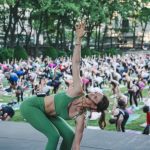
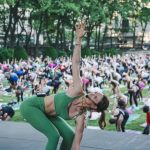
Bryant Park YogaBryant Park YogaTime: 10:00 am - 11:00 am Everyone’s favorite yoga program returns for summer 2026! From May 27 through September 16, join us for classes Tuesday mornings on the Upper Terrace, and Wednesday evenings on the lawn.Bryant Park Yoga presented by Halara is free to the public. Bring your mat and water and enjoy one hour of yoga with New York City’s top instructors.Bryant Park
42nd Street between 5th and 6th Avenue
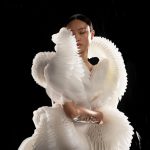
Iris van Herpen: Sculpting the SensesIris van Herpen: Sculpting the SensesTime: 10:00 am - 8:00 pm A pioneer in the use of new technologies, Van Herpen transcends conventional clothing norms while embracing both traditional couture artisanship and innovative techniques. Ranging from the micro to the macro, the exhibition explores the body’s place in space, its relationship to clothing and its environment, and its future in a rapidly changing world.Brooklyn Musiem of Art
Morris A. and Meyer Schapiro Wing and Iris and B. Gerald Cantor Gallery, 5th Floor
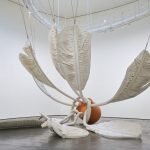
Guggenheim Pop: 1960 to NowGuggenheim Pop: 1960 to NowTime: 10:00 am - 8:00 pm The show will present iconic works from the museum’s collection by more than 20 artists, including John Chamberlain, Chryssa, Jim Dine, Roy Lichtenstein, Lucas Samaras, and Andy Warhol. Highlights will include Maurizio Cattelan’s Comedian (2019) and Claes Oldenburg and Coosje van Bruggen’s Soft Shuttlecock (1995), on view in New York for the first time in 25 years. These works will be shown alongside Yayoi Kusama’s INFINITY MIRRORED ROOM – DANCING LIGHTS THAT FLEW UP TO THE UNIVERSE (2019), a major loan to the exhibition, and recent acquisitions by contemporary artists such as Farah Al Qasimi, Alex Da Corte, Lucia Hierro, Martine Gutierrez, Lauren Halsey, Mohammed Ahmed Ibrahim, Yee I-Lann, Cara Romero, and Liu Shiyuan, whose practices expand the legacies of Pop.1071 Fifth Avenue New York, NY 10128 (at 88th Street)
The Met’s Arts of AfricaThe Met’s Arts of AfricaTime: 10:00 am - 8:00 pm
The new permanent installation foregrounds the creativity of artists across the subcontinent and enduring, dynamic historical traditions. The Met’s Arts of Africa galleries returned in May 2025, in a reimagined Michael C. Rockefeller Wing. Following a multiyear renovation, the reenvisioned installation reintroduces visitors to the Museum’s collection of sub-Saharan African art through a selection of some 500 works organized to survey major artistic movements and living traditions from across the subcontinent. The new galleries present original creations from the Middle Ages to the present, and one-fourth of the works are on display at the Museum for the first time.
The Met Fifth Avenue
1000 Fifth Avenue
New York, NY 10028
Phone: 212-535-7710
Upcoming Events
October 21, 2026
Iris van Herpen: Sculpting the SensesIris van Herpen: Sculpting the SensesTime: 10:00 am - 8:00 pm A pioneer in the use of new technologies, Van Herpen transcends conventional clothing norms while embracing both traditional couture artisanship and innovative techniques. Ranging from the micro to the macro, the exhibition explores the body’s place in space, its relationship to clothing and its environment, and its future in a rapidly changing world.Brooklyn Musiem of Art
Morris A. and Meyer Schapiro Wing and Iris and B. Gerald Cantor Gallery, 5th Floor
Guggenheim Pop: 1960 to NowGuggenheim Pop: 1960 to NowTime: 10:00 am - 8:00 pm The show will present iconic works from the museum’s collection by more than 20 artists, including John Chamberlain, Chryssa, Jim Dine, Roy Lichtenstein, Lucas Samaras, and Andy Warhol. Highlights will include Maurizio Cattelan’s Comedian (2019) and Claes Oldenburg and Coosje van Bruggen’s Soft Shuttlecock (1995), on view in New York for the first time in 25 years. These works will be shown alongside Yayoi Kusama’s INFINITY MIRRORED ROOM – DANCING LIGHTS THAT FLEW UP TO THE UNIVERSE (2019), a major loan to the exhibition, and recent acquisitions by contemporary artists such as Farah Al Qasimi, Alex Da Corte, Lucia Hierro, Martine Gutierrez, Lauren Halsey, Mohammed Ahmed Ibrahim, Yee I-Lann, Cara Romero, and Liu Shiyuan, whose practices expand the legacies of Pop.1071 Fifth Avenue New York, NY 10128 (at 88th Street)
The Met’s Arts of AfricaThe Met’s Arts of AfricaTime: 10:00 am - 8:00 pm
The new permanent installation foregrounds the creativity of artists across the subcontinent and enduring, dynamic historical traditions. The Met’s Arts of Africa galleries returned in May 2025, in a reimagined Michael C. Rockefeller Wing. Following a multiyear renovation, the reenvisioned installation reintroduces visitors to the Museum’s collection of sub-Saharan African art through a selection of some 500 works organized to survey major artistic movements and living traditions from across the subcontinent. The new galleries present original creations from the Middle Ages to the present, and one-fourth of the works are on display at the Museum for the first time.
The Met Fifth Avenue
1000 Fifth Avenue
New York, NY 10028
Phone: 212-535-7710
Bryant Park YogaBryant Park YogaTime: 6:00 pm - 7:00 pm Bryant Park Yoga Everyone’s favorite yoga program returns for summer 2026! From May 27 through September 16, join us for classes Tuesday mornings on the Upper Terrace, and Wednesday evenings on the lawn.Bryant Park Yoga presented by Halara is free to the public. Bring your mat and water and enjoy one hour of yoga with New York City’s top instructors.Bryant Park
October 22, 2026
Dance of The Village Elders at St. Phillips ChurchDance of The Village Elders at St. Phillips ChurchTime: 2:30 am - 3:30 am A dance and wellness classes design for Older Adults taught by Walter Rutledge204 W 134th St, New York, NY 10030
Iris van Herpen: Sculpting the SensesIris van Herpen: Sculpting the SensesTime: 10:00 am - 8:00 pm A pioneer in the use of new technologies, Van Herpen transcends conventional clothing norms while embracing both traditional couture artisanship and innovative techniques. Ranging from the micro to the macro, the exhibition explores the body’s place in space, its relationship to clothing and its environment, and its future in a rapidly changing world.Brooklyn Musiem of Art
Morris A. and Meyer Schapiro Wing and Iris and B. Gerald Cantor Gallery, 5th Floor
Guggenheim Pop: 1960 to NowGuggenheim Pop: 1960 to NowTime: 10:00 am - 8:00 pm The show will present iconic works from the museum’s collection by more than 20 artists, including John Chamberlain, Chryssa, Jim Dine, Roy Lichtenstein, Lucas Samaras, and Andy Warhol. Highlights will include Maurizio Cattelan’s Comedian (2019) and Claes Oldenburg and Coosje van Bruggen’s Soft Shuttlecock (1995), on view in New York for the first time in 25 years. These works will be shown alongside Yayoi Kusama’s INFINITY MIRRORED ROOM – DANCING LIGHTS THAT FLEW UP TO THE UNIVERSE (2019), a major loan to the exhibition, and recent acquisitions by contemporary artists such as Farah Al Qasimi, Alex Da Corte, Lucia Hierro, Martine Gutierrez, Lauren Halsey, Mohammed Ahmed Ibrahim, Yee I-Lann, Cara Romero, and Liu Shiyuan, whose practices expand the legacies of Pop.1071 Fifth Avenue New York, NY 10128 (at 88th Street)
The Met’s Arts of AfricaThe Met’s Arts of AfricaTime: 10:00 am - 8:00 pm
The new permanent installation foregrounds the creativity of artists across the subcontinent and enduring, dynamic historical traditions. The Met’s Arts of Africa galleries returned in May 2025, in a reimagined Michael C. Rockefeller Wing. Following a multiyear renovation, the reenvisioned installation reintroduces visitors to the Museum’s collection of sub-Saharan African art through a selection of some 500 works organized to survey major artistic movements and living traditions from across the subcontinent. The new galleries present original creations from the Middle Ages to the present, and one-fourth of the works are on display at the Museum for the first time.
The Met Fifth Avenue
1000 Fifth Avenue
New York, NY 10028
Phone: 212-535-7710
October 23, 2026
Iris van Herpen: Sculpting the SensesIris van Herpen: Sculpting the SensesTime: 10:00 am - 8:00 pm A pioneer in the use of new technologies, Van Herpen transcends conventional clothing norms while embracing both traditional couture artisanship and innovative techniques. Ranging from the micro to the macro, the exhibition explores the body’s place in space, its relationship to clothing and its environment, and its future in a rapidly changing world.Brooklyn Musiem of Art
Morris A. and Meyer Schapiro Wing and Iris and B. Gerald Cantor Gallery, 5th Floor
Guggenheim Pop: 1960 to NowGuggenheim Pop: 1960 to NowTime: 10:00 am - 8:00 pm The show will present iconic works from the museum’s collection by more than 20 artists, including John Chamberlain, Chryssa, Jim Dine, Roy Lichtenstein, Lucas Samaras, and Andy Warhol. Highlights will include Maurizio Cattelan’s Comedian (2019) and Claes Oldenburg and Coosje van Bruggen’s Soft Shuttlecock (1995), on view in New York for the first time in 25 years. These works will be shown alongside Yayoi Kusama’s INFINITY MIRRORED ROOM – DANCING LIGHTS THAT FLEW UP TO THE UNIVERSE (2019), a major loan to the exhibition, and recent acquisitions by contemporary artists such as Farah Al Qasimi, Alex Da Corte, Lucia Hierro, Martine Gutierrez, Lauren Halsey, Mohammed Ahmed Ibrahim, Yee I-Lann, Cara Romero, and Liu Shiyuan, whose practices expand the legacies of Pop.1071 Fifth Avenue New York, NY 10128 (at 88th Street)
The Met’s Arts of AfricaThe Met’s Arts of AfricaTime: 10:00 am - 8:00 pm
The new permanent installation foregrounds the creativity of artists across the subcontinent and enduring, dynamic historical traditions. The Met’s Arts of Africa galleries returned in May 2025, in a reimagined Michael C. Rockefeller Wing. Following a multiyear renovation, the reenvisioned installation reintroduces visitors to the Museum’s collection of sub-Saharan African art through a selection of some 500 works organized to survey major artistic movements and living traditions from across the subcontinent. The new galleries present original creations from the Middle Ages to the present, and one-fourth of the works are on display at the Museum for the first time.
The Met Fifth Avenue
1000 Fifth Avenue
New York, NY 10028
Phone: 212-535-7710
Dance of the Village Elders - R.A.I.N. NeriedDance of the Village Elders - R.A.I.N. NeriedTime: 10:30 am - 11:30 am A dance and wellness classes design for Older Adults taught by Walter Rutledge720 Nereid Ave, Bronx, NY 10466
October 24, 2026
Iris van Herpen: Sculpting the SensesIris van Herpen: Sculpting the SensesTime: 10:00 am - 8:00 pm A pioneer in the use of new technologies, Van Herpen transcends conventional clothing norms while embracing both traditional couture artisanship and innovative techniques. Ranging from the micro to the macro, the exhibition explores the body’s place in space, its relationship to clothing and its environment, and its future in a rapidly changing world.Brooklyn Musiem of Art
Morris A. and Meyer Schapiro Wing and Iris and B. Gerald Cantor Gallery, 5th Floor
Guggenheim Pop: 1960 to NowGuggenheim Pop: 1960 to NowTime: 10:00 am - 8:00 pm The show will present iconic works from the museum’s collection by more than 20 artists, including John Chamberlain, Chryssa, Jim Dine, Roy Lichtenstein, Lucas Samaras, and Andy Warhol. Highlights will include Maurizio Cattelan’s Comedian (2019) and Claes Oldenburg and Coosje van Bruggen’s Soft Shuttlecock (1995), on view in New York for the first time in 25 years. These works will be shown alongside Yayoi Kusama’s INFINITY MIRRORED ROOM – DANCING LIGHTS THAT FLEW UP TO THE UNIVERSE (2019), a major loan to the exhibition, and recent acquisitions by contemporary artists such as Farah Al Qasimi, Alex Da Corte, Lucia Hierro, Martine Gutierrez, Lauren Halsey, Mohammed Ahmed Ibrahim, Yee I-Lann, Cara Romero, and Liu Shiyuan, whose practices expand the legacies of Pop.1071 Fifth Avenue New York, NY 10128 (at 88th Street)
The Met’s Arts of AfricaThe Met’s Arts of AfricaTime: 10:00 am - 8:00 pm
The new permanent installation foregrounds the creativity of artists across the subcontinent and enduring, dynamic historical traditions. The Met’s Arts of Africa galleries returned in May 2025, in a reimagined Michael C. Rockefeller Wing. Following a multiyear renovation, the reenvisioned installation reintroduces visitors to the Museum’s collection of sub-Saharan African art through a selection of some 500 works organized to survey major artistic movements and living traditions from across the subcontinent. The new galleries present original creations from the Middle Ages to the present, and one-fourth of the works are on display at the Museum for the first time.
The Met Fifth Avenue
1000 Fifth Avenue
New York, NY 10028
Phone: 212-535-7710
October 25, 2026
Iris van Herpen: Sculpting the SensesIris van Herpen: Sculpting the SensesTime: 10:00 am - 8:00 pm A pioneer in the use of new technologies, Van Herpen transcends conventional clothing norms while embracing both traditional couture artisanship and innovative techniques. Ranging from the micro to the macro, the exhibition explores the body’s place in space, its relationship to clothing and its environment, and its future in a rapidly changing world.Brooklyn Musiem of Art
Morris A. and Meyer Schapiro Wing and Iris and B. Gerald Cantor Gallery, 5th Floor
Guggenheim Pop: 1960 to NowGuggenheim Pop: 1960 to NowTime: 10:00 am - 8:00 pm The show will present iconic works from the museum’s collection by more than 20 artists, including John Chamberlain, Chryssa, Jim Dine, Roy Lichtenstein, Lucas Samaras, and Andy Warhol. Highlights will include Maurizio Cattelan’s Comedian (2019) and Claes Oldenburg and Coosje van Bruggen’s Soft Shuttlecock (1995), on view in New York for the first time in 25 years. These works will be shown alongside Yayoi Kusama’s INFINITY MIRRORED ROOM – DANCING LIGHTS THAT FLEW UP TO THE UNIVERSE (2019), a major loan to the exhibition, and recent acquisitions by contemporary artists such as Farah Al Qasimi, Alex Da Corte, Lucia Hierro, Martine Gutierrez, Lauren Halsey, Mohammed Ahmed Ibrahim, Yee I-Lann, Cara Romero, and Liu Shiyuan, whose practices expand the legacies of Pop.1071 Fifth Avenue New York, NY 10128 (at 88th Street)
The Met’s Arts of AfricaThe Met’s Arts of AfricaTime: 10:00 am - 8:00 pm
The new permanent installation foregrounds the creativity of artists across the subcontinent and enduring, dynamic historical traditions. The Met’s Arts of Africa galleries returned in May 2025, in a reimagined Michael C. Rockefeller Wing. Following a multiyear renovation, the reenvisioned installation reintroduces visitors to the Museum’s collection of sub-Saharan African art through a selection of some 500 works organized to survey major artistic movements and living traditions from across the subcontinent. The new galleries present original creations from the Middle Ages to the present, and one-fourth of the works are on display at the Museum for the first time.
The Met Fifth Avenue
1000 Fifth Avenue
New York, NY 10028
Phone: 212-535-7710
SanctuarySanctuaryTime: 5:00 pm - 12:00 am New York hottest place to be for a fun Sunday evening house music party. JD Frankie Paradise will get you moving whether you dip, twist or just strike a pose.District - 246 west 35th street
October 26, 2026
Iris van Herpen: Sculpting the SensesIris van Herpen: Sculpting the SensesTime: 10:00 am - 8:00 pm A pioneer in the use of new technologies, Van Herpen transcends conventional clothing norms while embracing both traditional couture artisanship and innovative techniques. Ranging from the micro to the macro, the exhibition explores the body’s place in space, its relationship to clothing and its environment, and its future in a rapidly changing world.Brooklyn Musiem of Art
Morris A. and Meyer Schapiro Wing and Iris and B. Gerald Cantor Gallery, 5th Floor
Guggenheim Pop: 1960 to NowGuggenheim Pop: 1960 to NowTime: 10:00 am - 8:00 pm The show will present iconic works from the museum’s collection by more than 20 artists, including John Chamberlain, Chryssa, Jim Dine, Roy Lichtenstein, Lucas Samaras, and Andy Warhol. Highlights will include Maurizio Cattelan’s Comedian (2019) and Claes Oldenburg and Coosje van Bruggen’s Soft Shuttlecock (1995), on view in New York for the first time in 25 years. These works will be shown alongside Yayoi Kusama’s INFINITY MIRRORED ROOM – DANCING LIGHTS THAT FLEW UP TO THE UNIVERSE (2019), a major loan to the exhibition, and recent acquisitions by contemporary artists such as Farah Al Qasimi, Alex Da Corte, Lucia Hierro, Martine Gutierrez, Lauren Halsey, Mohammed Ahmed Ibrahim, Yee I-Lann, Cara Romero, and Liu Shiyuan, whose practices expand the legacies of Pop.1071 Fifth Avenue New York, NY 10128 (at 88th Street)
The Met’s Arts of AfricaThe Met’s Arts of AfricaTime: 10:00 am - 8:00 pm
The new permanent installation foregrounds the creativity of artists across the subcontinent and enduring, dynamic historical traditions. The Met’s Arts of Africa galleries returned in May 2025, in a reimagined Michael C. Rockefeller Wing. Following a multiyear renovation, the reenvisioned installation reintroduces visitors to the Museum’s collection of sub-Saharan African art through a selection of some 500 works organized to survey major artistic movements and living traditions from across the subcontinent. The new galleries present original creations from the Middle Ages to the present, and one-fourth of the works are on display at the Museum for the first time.
The Met Fifth Avenue
1000 Fifth Avenue
New York, NY 10028
Phone: 212-535-7710
Paramount Movie Nights at Bryant ParkParamount Movie Nights at Bryant ParkTime: 8:00 pm - 10:00 pm Welcome to the 33rd season of summer movies in Bryant Park! Bring a blanket and a friend, and grab your spot on the lawn to watch a feature film on the big screen under the stars. The lawn opens at 5pm and films begin at 8pm.Bryant Park
October 27, 2026
Bryant Park YogaBryant Park YogaTime: 10:00 am - 11:00 am Everyone’s favorite yoga program returns for summer 2026! From May 27 through September 16, join us for classes Tuesday mornings on the Upper Terrace, and Wednesday evenings on the lawn.Bryant Park Yoga presented by Halara is free to the public. Bring your mat and water and enjoy one hour of yoga with New York City’s top instructors.Bryant Park
42nd Street between 5th and 6th Avenue
Iris van Herpen: Sculpting the SensesIris van Herpen: Sculpting the SensesTime: 10:00 am - 8:00 pm A pioneer in the use of new technologies, Van Herpen transcends conventional clothing norms while embracing both traditional couture artisanship and innovative techniques. Ranging from the micro to the macro, the exhibition explores the body’s place in space, its relationship to clothing and its environment, and its future in a rapidly changing world.Brooklyn Musiem of Art
Morris A. and Meyer Schapiro Wing and Iris and B. Gerald Cantor Gallery, 5th Floor
Guggenheim Pop: 1960 to NowGuggenheim Pop: 1960 to NowTime: 10:00 am - 8:00 pm The show will present iconic works from the museum’s collection by more than 20 artists, including John Chamberlain, Chryssa, Jim Dine, Roy Lichtenstein, Lucas Samaras, and Andy Warhol. Highlights will include Maurizio Cattelan’s Comedian (2019) and Claes Oldenburg and Coosje van Bruggen’s Soft Shuttlecock (1995), on view in New York for the first time in 25 years. These works will be shown alongside Yayoi Kusama’s INFINITY MIRRORED ROOM – DANCING LIGHTS THAT FLEW UP TO THE UNIVERSE (2019), a major loan to the exhibition, and recent acquisitions by contemporary artists such as Farah Al Qasimi, Alex Da Corte, Lucia Hierro, Martine Gutierrez, Lauren Halsey, Mohammed Ahmed Ibrahim, Yee I-Lann, Cara Romero, and Liu Shiyuan, whose practices expand the legacies of Pop.1071 Fifth Avenue New York, NY 10128 (at 88th Street)
The Met’s Arts of AfricaThe Met’s Arts of AfricaTime: 10:00 am - 8:00 pm
The new permanent installation foregrounds the creativity of artists across the subcontinent and enduring, dynamic historical traditions. The Met’s Arts of Africa galleries returned in May 2025, in a reimagined Michael C. Rockefeller Wing. Following a multiyear renovation, the reenvisioned installation reintroduces visitors to the Museum’s collection of sub-Saharan African art through a selection of some 500 works organized to survey major artistic movements and living traditions from across the subcontinent. The new galleries present original creations from the Middle Ages to the present, and one-fourth of the works are on display at the Museum for the first time.
The Met Fifth Avenue
1000 Fifth Avenue
New York, NY 10028
Phone: 212-535-7710