By Walter Rutledge

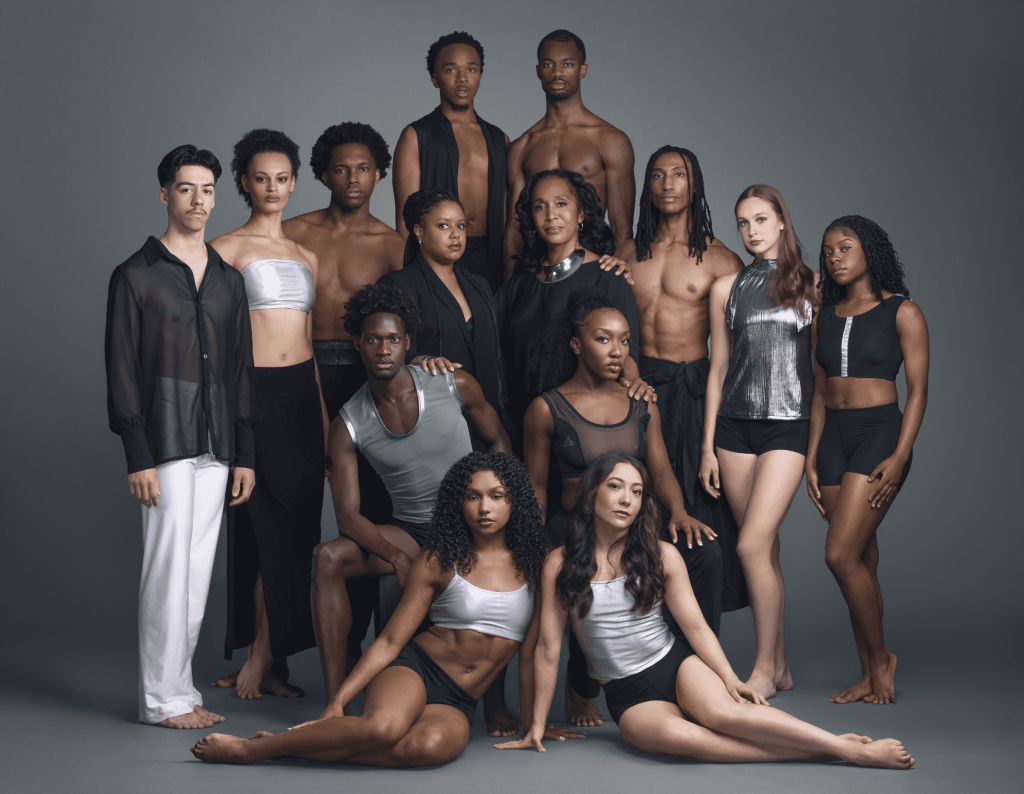 Ailey II presented their fifty second New York City season March 17 through March 22 at the Joyce Theater. The sold out six-day eight performance season offered two programs New Works and Legacy/Future. The season featured Alvin Ailey’s masterwork Streams and four New York City premieres by Renee I. McDonald, Rena Butler, My’Kal Stromile, and Chalvar Monteiro.
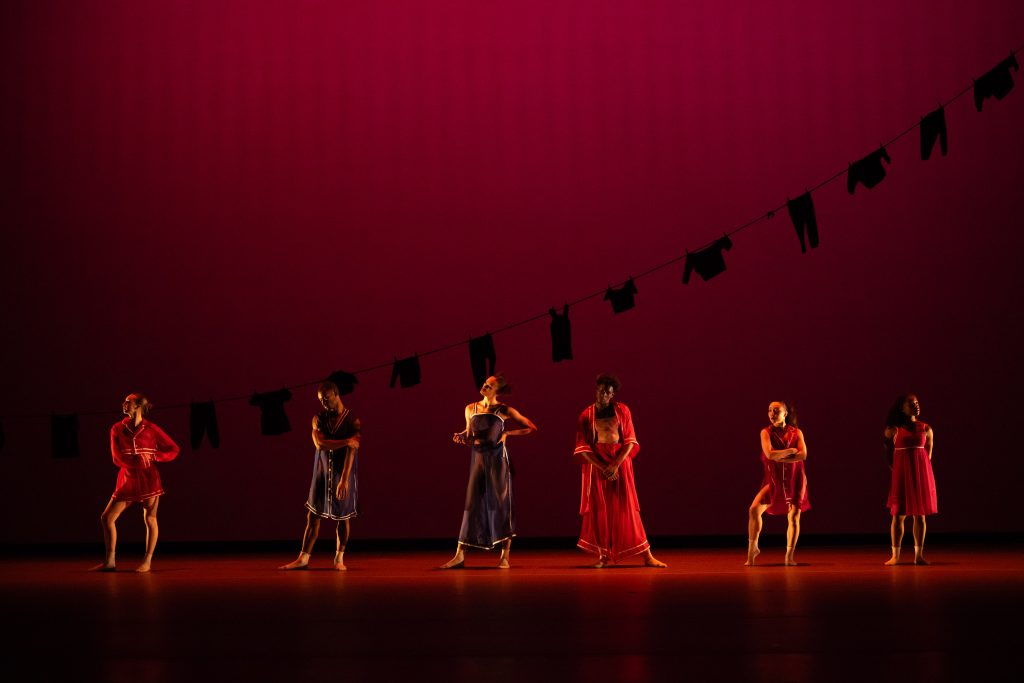
The curtain opened on a clothesline stung in front of the cyclorama raising diagonally from stage left to right. A lone figure stood center stage hanging clothes from a traditional wicker basket. This opening imagery was “so southern” and immediately establish the rhythm and blues down home energy of Berry Dreamin by Chalvar Monteiro.
The abstract dance theater suite used many of Chuck Berry songs that reflected his more southern roots. Monteiro created a series of non-sequential vignettes; each structurally strong enough to stand on its own. The dances were tied together through the music and a movement vocabulary reliant on a fluid upper body and supple spine. This organic base was the impetus for the port de bra, and the fluid upper torso, which was juxtaposed by a subtle yet steely and more technical lower body. Multiple attitude turns and grand battlements from second position were staples in his vocabulary and generously dispersed throughout the ballet.
At times there was an air of playful interplay, but the level of abstraction prohibited real character development. Coupled with the works protracted length and much of the music’s lied back moderato tempo the choreography at times became more lulling than focused. The curtain descending signaled the end of the work as the choreography meandered into the darkness. Monteiro is on the right track, perhaps some editing would help to further clarify his message.
Third Person Point of View by choreographer My’Kal Stromile was, in many ways, just that. The trio featured Kamari Abu, Jennifer M. Gerken and Darion Turner in a dancing entanglement. Abu and Gerken coupled up leaving Turner the odd man out (an all-too-common occurrence in menage situations).
A memorable moment was the holding hands section, which turned into a clever introduction of the performers and their entanglement. The trio become a ribbon of movement with the dancers’ clasping hands while twisting and turning into a series of interlaced plastique movements. The first and second sections ended with a pair of posed picture moments that resembled the photo/snapshot images used before the commercial break on the television show CSI. Blackout – strike a pose – lights up – then repeat. This device was only implemented twice; it would have been interesting to have seen it developed throughout the work.
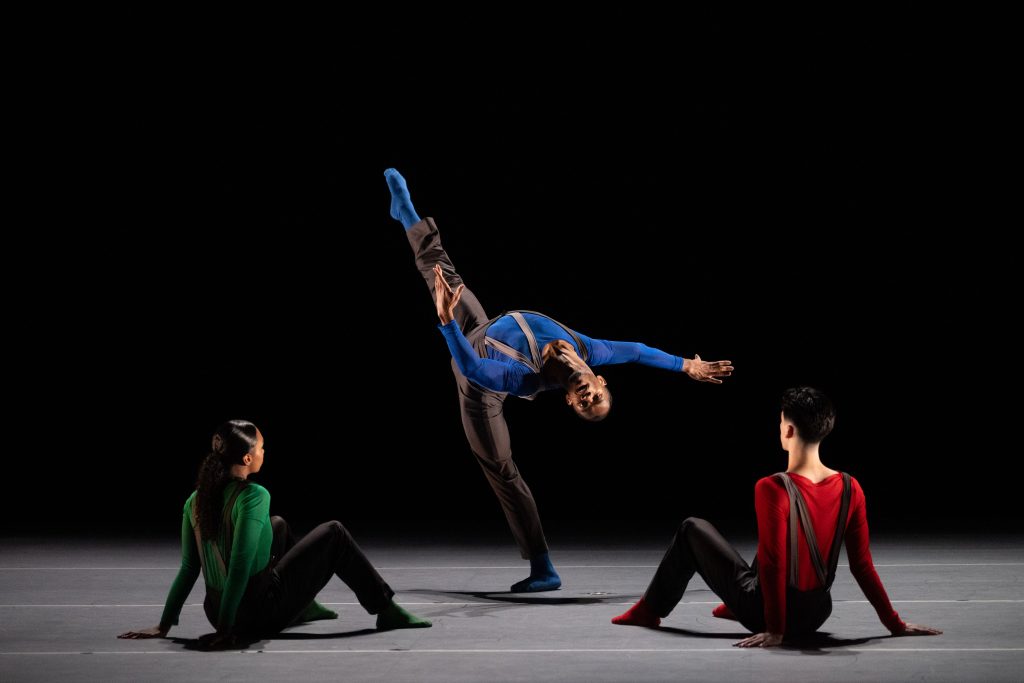
The duet performed Abu and Gerken displayed more affection than passion. Later the duo sat downstage with their back to the audience and passively observed Turner dance his “third person” solo. As the work progressed subtle and almost casual movement conversations developed with moments of group togetherness and inclusion. The tryst concluded with the trio exiting together. The work’s natural yet stylized abstract quality and nuanced sexual innuendo recalled Vaslav Nijinsky’s quartet Jeux.
On that note there is nothing wrong with a quickie, and Renee L. McDonald’s Likes Vs Life is a concise pas de trios that showcased the talents of Meredith Brown, Jordyn White and Darion Turner. This dance theatre abstract narrative opened with Turner center stage in a down spot of light. The haze/fog outlined the triangular trajectory of the opaque, almost colorless beam.
His dramatic interpretation combined with the theatrical music compilation score conveyed a sense of isolation and lamentation. He was soon flanked (on stage left and right of the circle) by Brown and White. These two strikingly statuesque female performers were each given solo passages that took full advantage of their strong technique, plaint bodies, and Amazonian presence.

In this work the lighting was an asset. Light designer Harrison Hoffert developed a complimentary atmospheric environment without overpowering the primary action. One especially satisfying moment was when the floor glowed in white light against a colorless backdrop. The dancers appeared to be suspended in space. This pleasant trio culminated with the dancer moving side by side upstage then “bump to black” (a quick blackout on the final note of music). Likes Vs Life was a complete yet succinct statement – how refreshing.
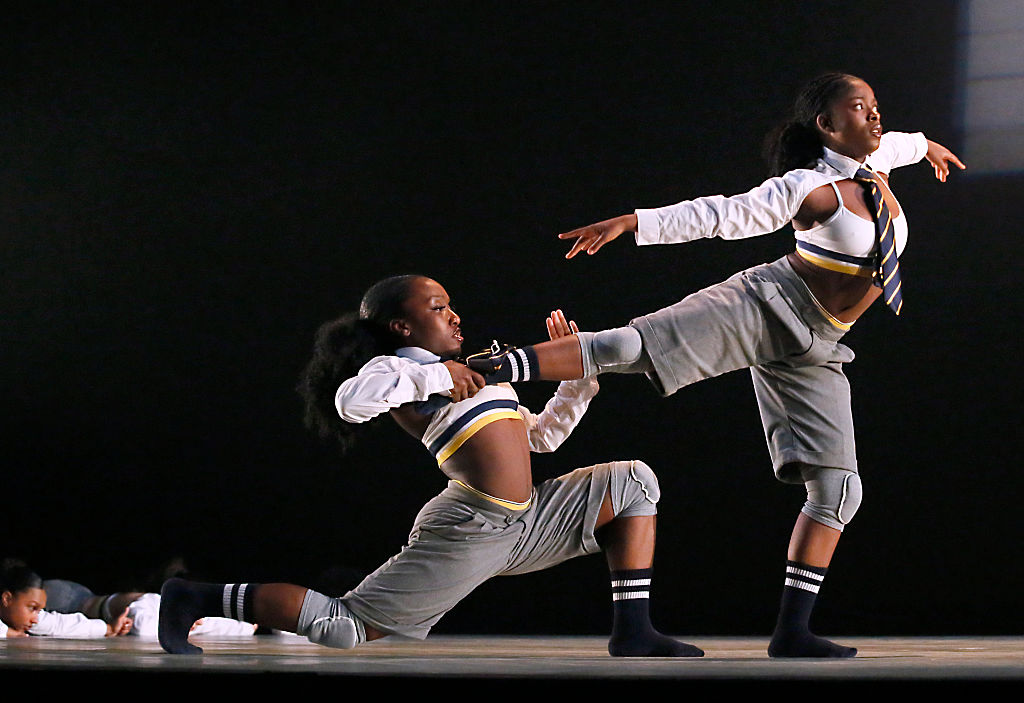
Both evenings concluded with Rena Butler’s In Session. The high energy ensemble showpiece was the perfect finale, giving the young dancers a chance to just let loose. The work featured an eclectic mix of dance styles including ballet, modern, jazz, West African and vernacular/street dance moves set to the music of Darryl J. Hoffman and performed by music phenom Doechii.
The work’s length (a little over a third of an evening’s program) was inconsequential. Butler was able to not only sustain the works high energy but develop it to create transitional rising and falling action. An example of her effective use of this device was the works ending. As the dancers moved in an exciting and visually stimulating full ensemble coda, they leaped vicariously into the air. While still in mid air the music crescendoed and the stage suddenly “bumped to black” leaving the audience aghast. Now that’s dance theatre!
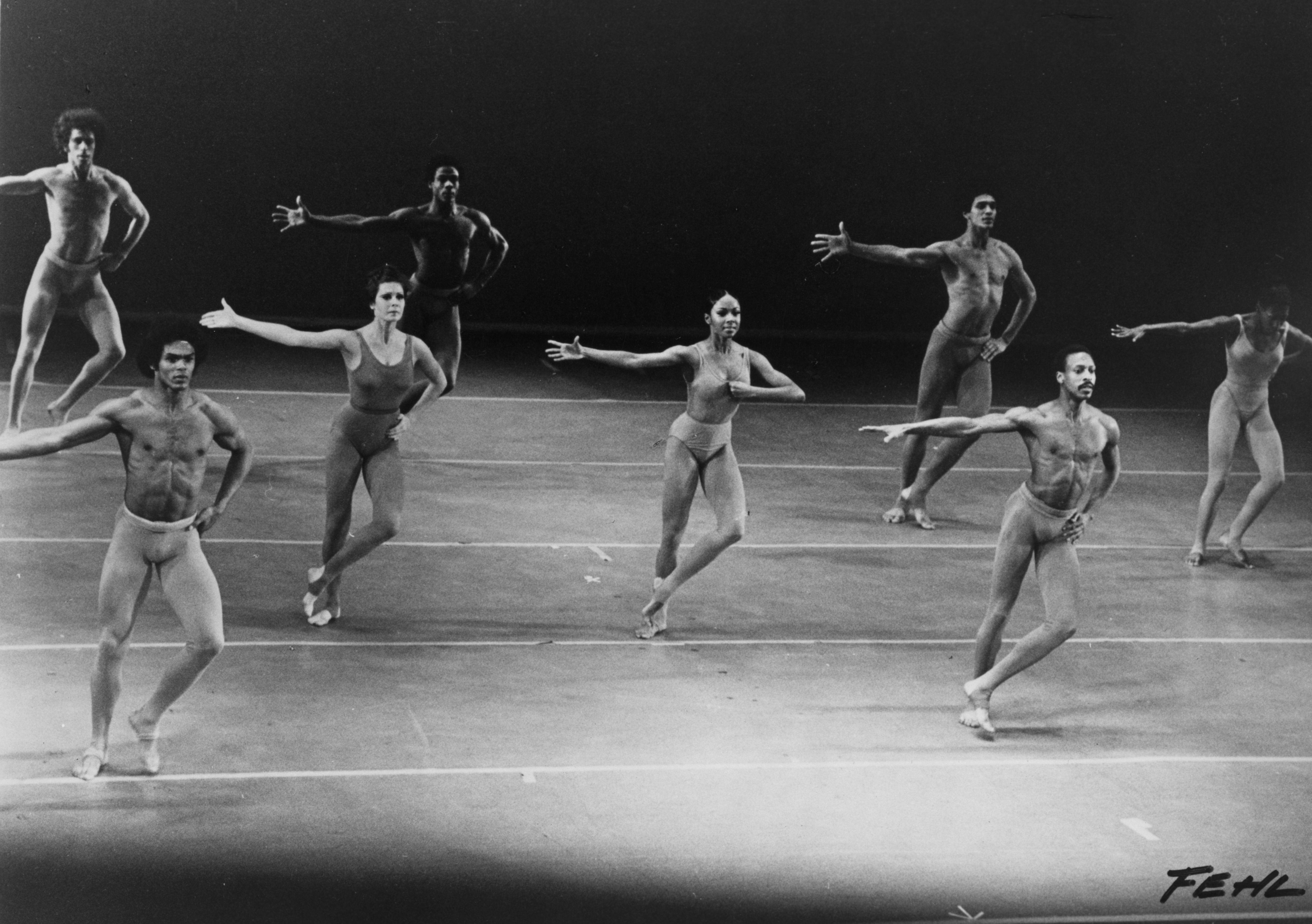
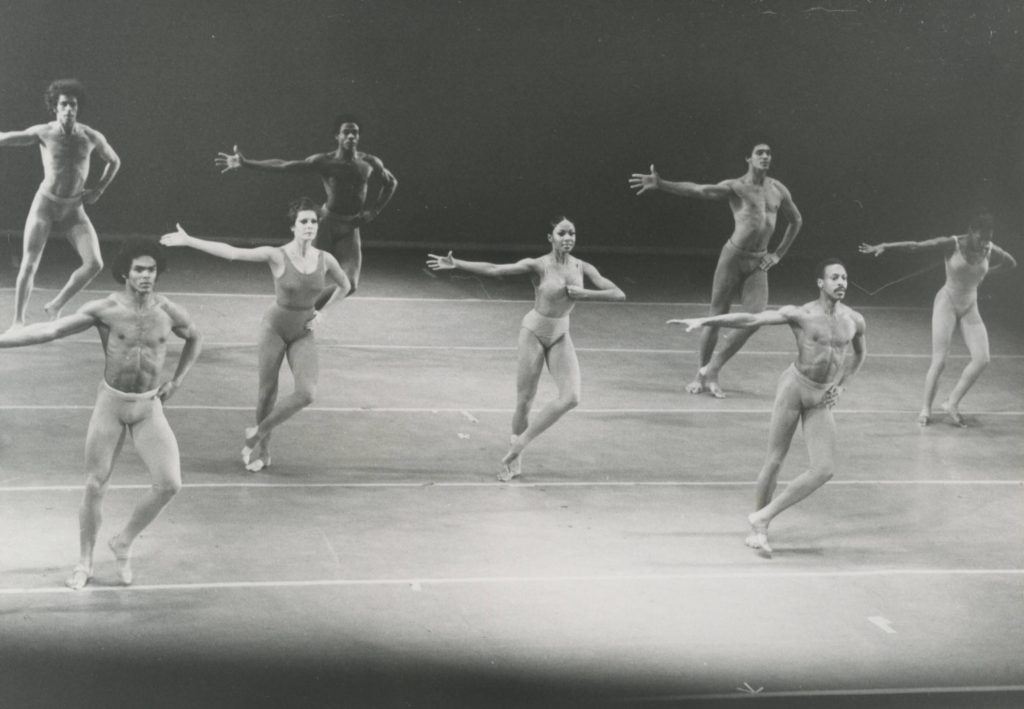 Ailey Dancer Emeritus Dudley Williams shared the story about the inception of Streams. It was 1969 and the dancers asked Ailey to create an abstract or plotless ballet. A year later Streams premiered. Set to the music of Miloslav Kabelac (Eight Inventions, Opus 45) the ensemble masterwork processes a dreamlike aura and one of the purest examples of Ailey’s Horton technique-based choreography.
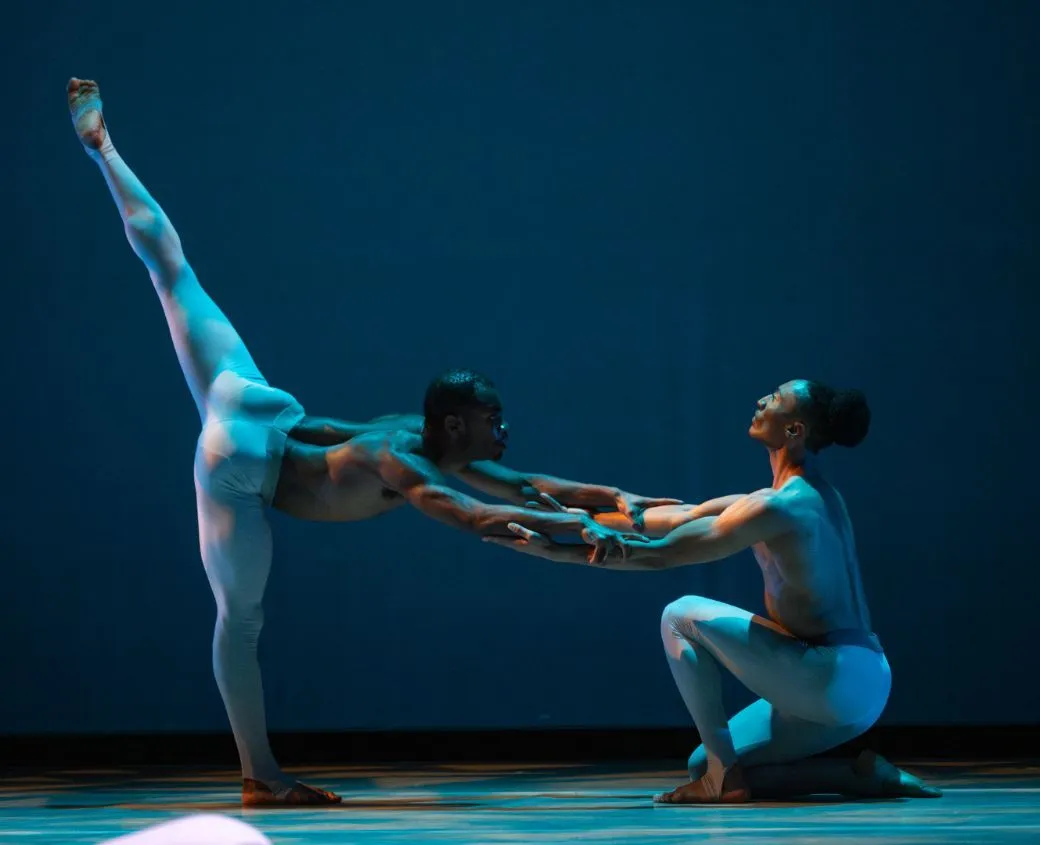
The company’s crystalline attack and commitment to the movement is a credit to Artistic Director Francesca Harper and her Rehearsal Director Shay Bland. Their astute stewardship is due to the fact both are choreographers of growing renown. They also carry on Ailey II’s renown as a choreographer’s laboratory and a dancer’s boot camp.
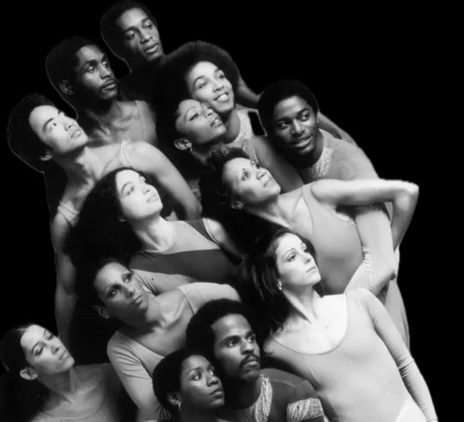
When Alvin Ailey founded the Alvin Ailey Repertory Ensemble in 1974 one of the goals was to serve as a bridge between student training and professional performance for early-career dancers. It also was a low-pressure creative outlet for Ailey himself. Night Creature, one of his modern dance classics, has become synonymous with Ailey and Jazz legend Duke Ellington. It was created on the ensemble and premiered in 1974 on a CBS-TV special; Ailey Celebrates Ellington. The cast included ensemble members Sarita Allen, Fred Bratcher, Bar Dell Conner, Dyane Harvey, Agnes Johnson, Anita Littleman, Delila Moseley, Martial Roumain, Marvin Tunney, Leslie Watanabe, and John Young. Ailey himself was also a featured member of the cast.
Under the watchful and nurturing eyes of Sylvia Waters the repertory ensemble transformed into Ailey II. Now under Harper director Ailey II carries on the Ailey II legacy of providing new opportunities for dancers and dance makers. While the company continues to attract audiences eager for an innovative and inclusive modern dance/Ailey experience.
In Photo:
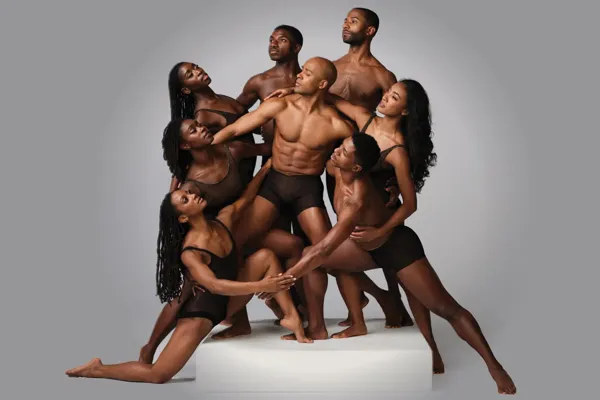
Ailey II and Francesca Harper Photo by Nir Arieli
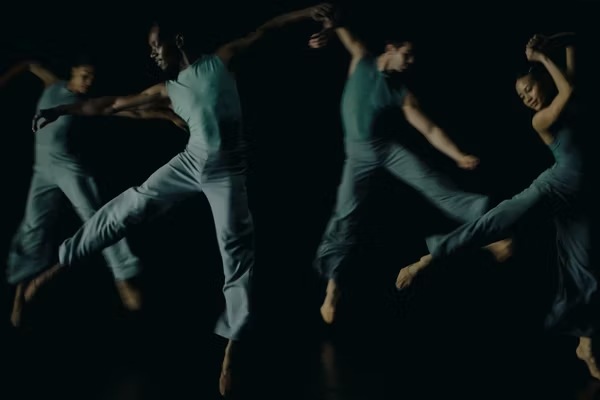
Berry Dreamin, Full Cast Photo by Nir Arieli
Third Person Point of View, Xavier Logan, Carley Cruzat Brooks and Eric J. Vidana
Likes Vs Life Meredith Brown, Darion Turner and Jordyn White
In Session Adanna Smalls and Jada Ammons (Photo by Donna Ward/Getty Images)
Streams 1970 Clover Mathis, Hector Mercado, Christa Mueller, Kenneth Pearl, Estelle Spurlock, Clive Thompson, Dudley Williams, and Sara Yarborough Photo by Fred Fehl
Streams Xavier Logan and Xhosa Scott Photo by Nir Arieli
The Alvin Ailey Repertory Ensemble 1974 (Photo by CBS Photo Archive / Courtesy Getty Images)




%20Roman%20Novitzky.jpg?w=1070)
.jpg?w=1070)
%20Artists%20of%20The%20Australian%20Ballet%20Credit_Kate%20Longley%202025.jpg?w=1070)