By Walter Rutledge

Question: What do you get when you combine strong performers, stellar choreography and exceptional production elements?
Answer: You get Philadanco!

The Philadelphia Dance Company affectionately know as Philadanco returned to New York City’s Joyce Theater for an all too short six performance season beginning Wednesday, July 29th and running through Sunday August 2nd. The company offered four works by choreographer Thang Dao’s, Tommie-Waheed Evans, Rennie Harris, and Christopher Huggins. The extremely well curated opening night performance was stylistically diverse, and very Philadanco!
The art of creating nonverbal stories through movement as the primary medium has been part of the diasporic experience well before the 1619 America arrival. Dance as ritual, as communication and as legacy preservation have become some of the defining elements of the Black dance tradition. The program presented for the New York season embodies Phildanco’s commitment to preserving Black dance masterworks while presenting and cultivated the next generation of dance innovators.
All four choreographers have set prior works on the company and were familiar with the level of artistry established by company matriarch Joan Myers Brown. We call it Philly Cool; never frenzied, always deliberate, soulful and grounded. The result is a stylish, signature look that puts communicating/storytelling over dance gymnastics.
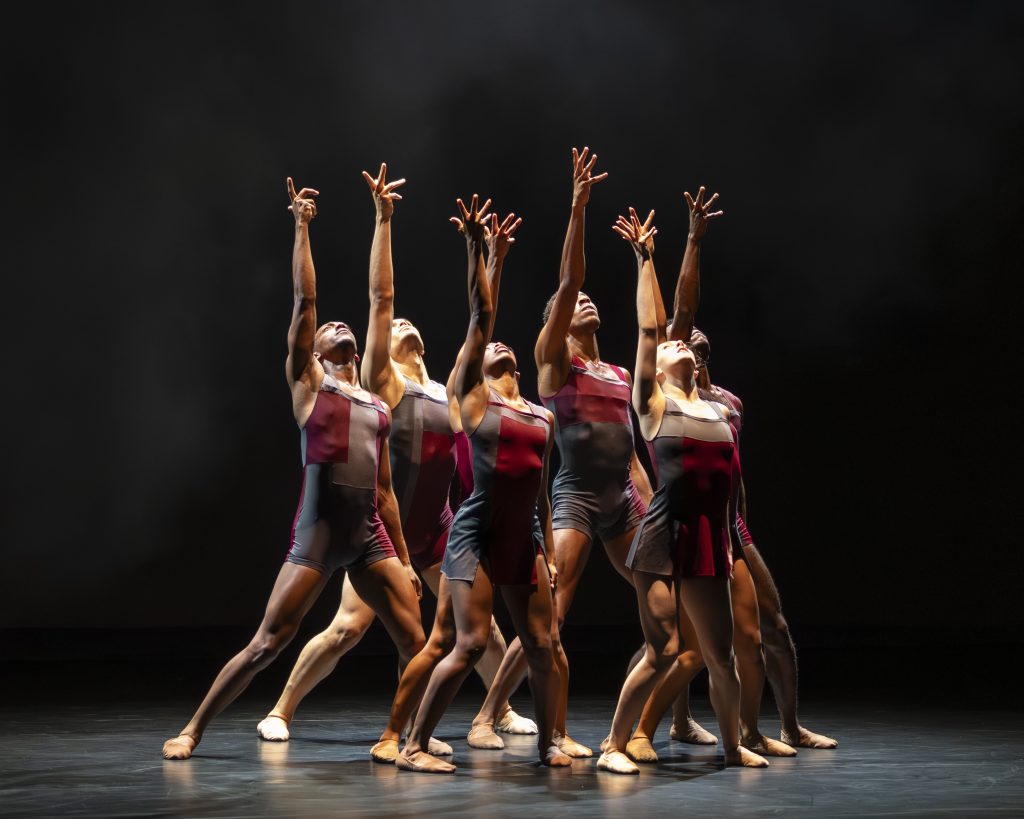
Thang Dao’s Without Witness opened the program. Dao has gone back to reconfigure the work and the present reiteration is a rich abstract narrative. A group moving in a tight regimented cluster invades the stage and during their progression a solo dancer emerges from the group. This action is repeated numerous times and would reveal a different movement statement against in lock step ensemble.
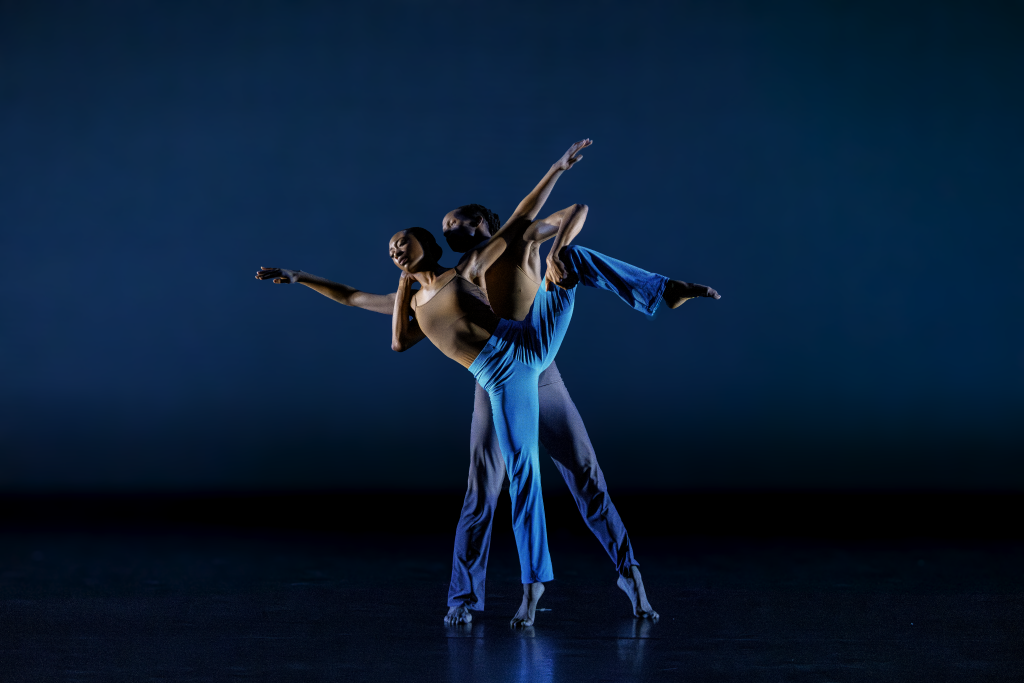
We have always enjoyed his Zen like, effortless approach to movement. The work has an inner pulse which allows it to ebb and flow in a smooth unencumbered manner. Soloists would dance downstage without the jackets; when complete they would return upstage to the group and put the jacket on again. This sample action returned them back to the mundane collectiveness of the group. Dao’s work in many ways captured the present political climate, where it is safer to be in the mob than outside it.
Hip Hop may have been born in “Da Boogie Down Bronx” but Philly native Rennie Harris has refined urban street dance into a concert dance art form. He had developed his own well defined movement vocabulary, a Harris dance language. His latest work To Philly … With Love (world premiere) is an ensemble work set to the music of Sounds of Philadelphia, The O’Jays, and Harold Melvin and the Blue Notes. The work displayed his signature style and strong compositional prowess.
Harris has the innate ability to create multiple images and movement patterns simultaneously on stage. These images can be interpreted individually or in their entire movement landscape. This gift of spatial imagery/geometry recalls the choreographic genius of Talley Beatty.
The work opened with dancers entering from upside left with slow sustained walks on bent legs and expansive winglike arms alternating from front to back. A flurry of movement ensued before leaving James O’Gilvie on stage alone. From that point on O’Gilvie took command and center stage of the work. At times he vicariously weaved and glided through the engaged ensemble in his own time signature; exuberantly moving like a dancing melody line.
The fast rhythmic footwork conjured images of the Zaouli dance from our Diasporic cousins from the Ivory Coast. As the work built to a fast-paced high energy, audience rousing crescendo, the dancers exuded an air of ease and confidence – that’s Philly cool.
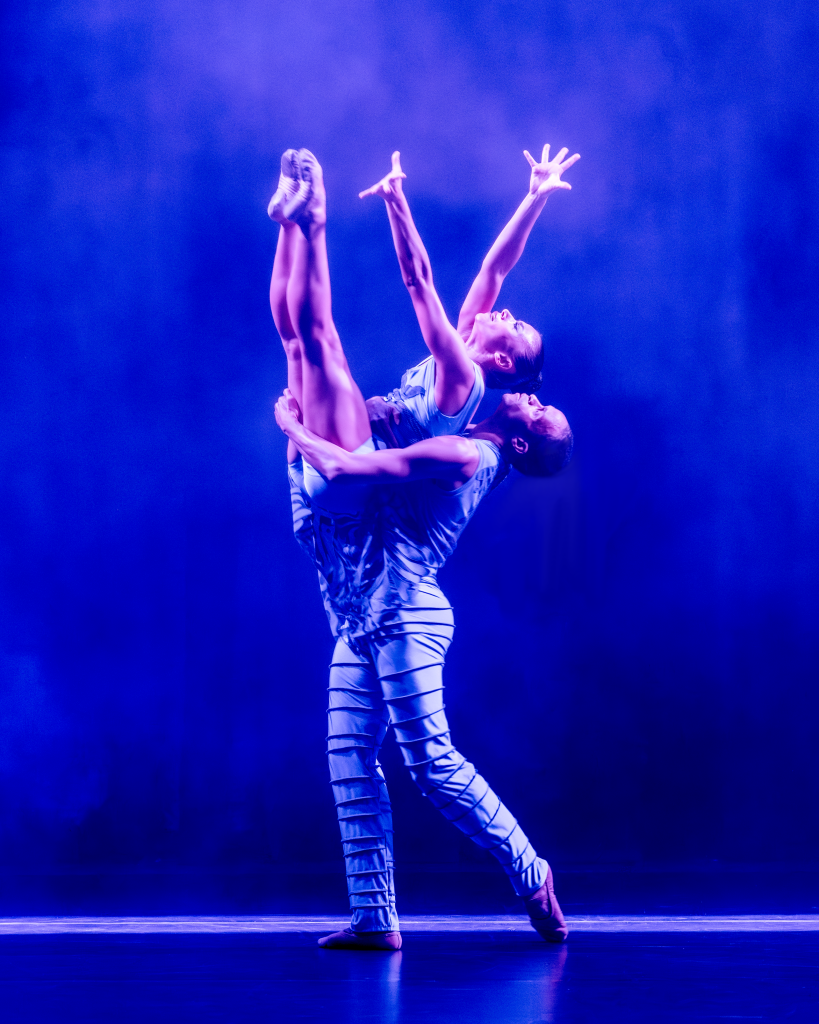
Tommie-Waheed Evans had us packing our bags and taking a trip to Patti Land. His work Promise Me You Won’t Call presented the music of Patti Labelle in an entirely new and haunting arrangements. Her songs If Only You Knew and Somewhere Over the Rainbow were eerily deconstructed. The new renditions included full background and solo/lead a Capella tracks, ambient sound, and at one point a heartbeat.
Evans has created his own dystopian haze filled environment. The on point (no pun intended) lighting by Nick Kolin completed the atmospheric transformation. We were transported to a dark world filled with angst, longing and unfulfilled aspirations.
This would have been a real downer if not for the explosive choreography, and strong dramatic undertones that captured the best of each ensemble member. Evans extensive work with the dancers has allowed him to trust their input in the creative process. This translated into the honest and clear choreographic voice needed to tell this rich tale of love and loss.
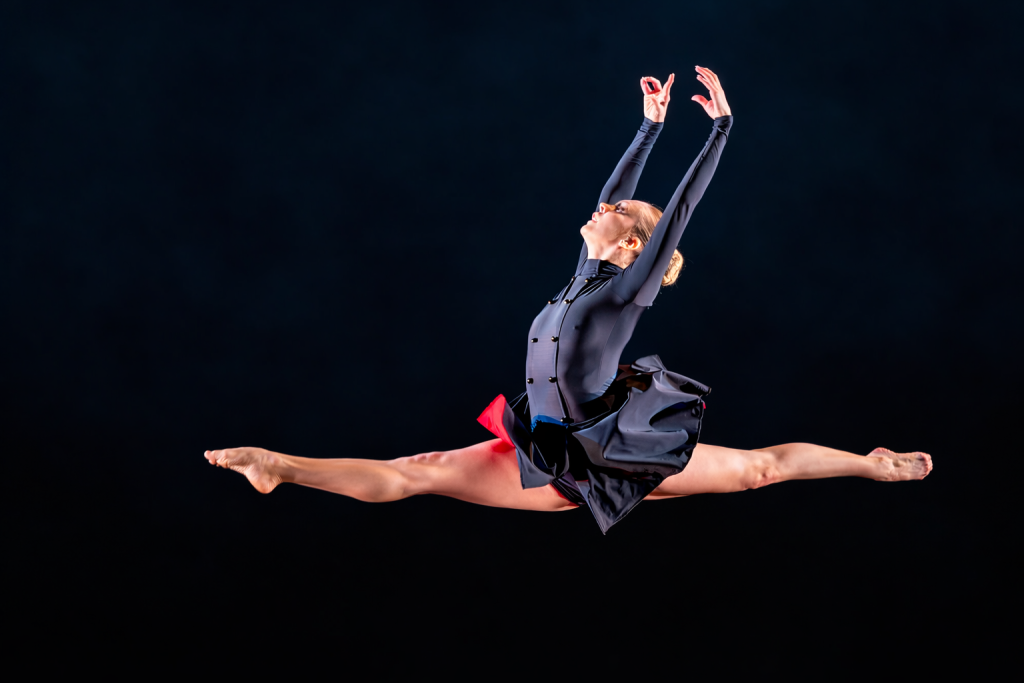
The revival of Christopher Huggins seminal work Enemy Behind the Gate completed the program. The much-anticipated return on the 25th birthday confirmed the work’s artistic staying power. The dancers marched in silent while their feet purposely made the steps audible. Clad in black jackets that were form fitting to the waist with a slightly flared peplum styled finish giving the militarized look motion.
The Steve Reich score gave this nonstop whirlwind a driving base. Strong choreographic form and a strange sense of economy produced an inner tension that Huggins capitalized on throughout. These moments were augmented by spontaneous lifts, buoyant leaps, and many multiple turns. Huggins masterfully manipulated the choreography and music creating the illusion of the music seemingly following the movement. The Svengali effect of music and movement spellbound the audience and helped drive the evening to a resounding climax.
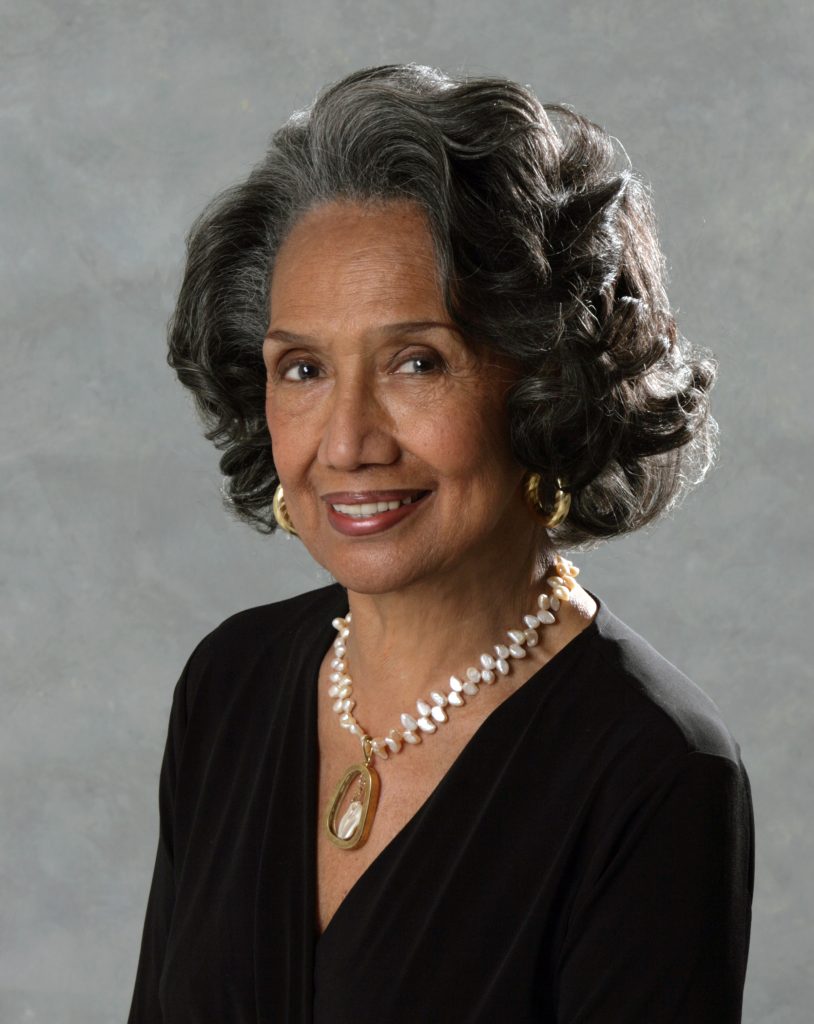
Founder and artistic advisor Joan Myers Brown, Co- Artistic Director Kim Y. Bears-Bailey and Evans have curated one of the season’s most satisfying dance experiences. It’s clear they understood Doris Humphey’s astute observation that all dances are too long. (There is nothing that garners a good mid ballet snooze faster than too much of a good thing). This extremely audience friendly concert was like a balanced four course meal offering just enough at each course to leave you wanting for more. One remarkable shared bond is the nurturing and mentoring the choreographers still receive under the stewardship of Brown- a true national dance treasure.
If you haven’t seen the company yet, New York what are you waiting for? There are four performances left today and Saturday at 7:30pm and Saturday and Sunday at 2pm. For tickets and program information visit Joyce.org.