By Walter Rutledge

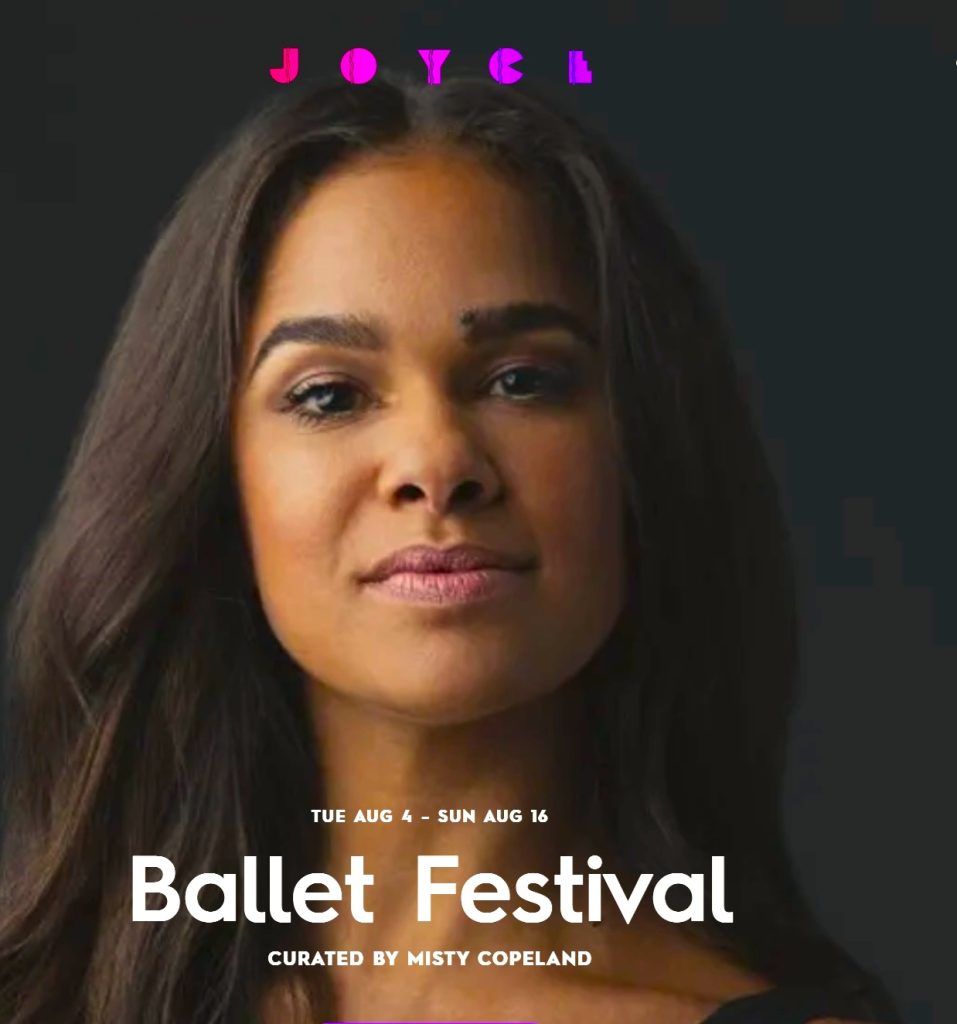
The Joyce Ballet Festival finished its second week of performances on Sunday August 16, 2026. As we observed in week one the festival was an evening of short, well-crafted vignettes that had the look and elan of a gala event. The ambience continued in week two with a rich duet by a European master, a story ballet classic, and inspiring works by contemporary choreographers and emerging dance makers. The sophomore week did not have the same build as week one. This was most apparent in Act One which featured three cleanly crafted works and Roland Petit.
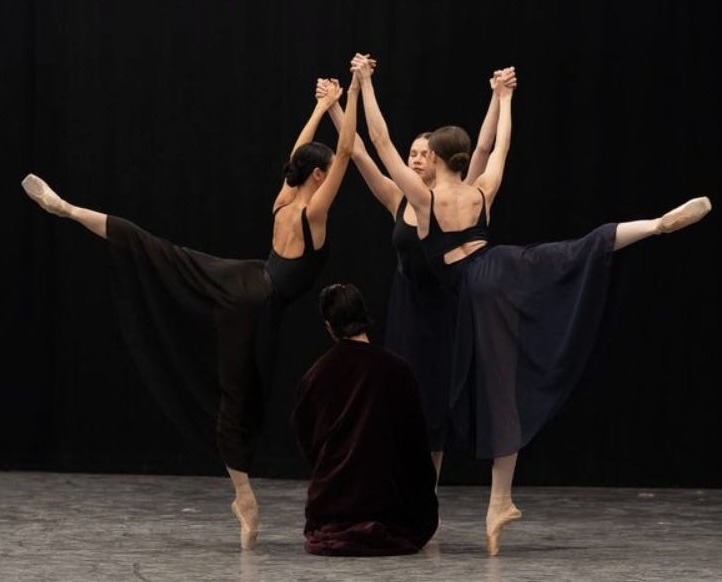
James Whiteside’s Mantle set to the music of Frantz Schubert opened with Jarod Curley seated on the floor in a dark red cape with a trio consisting of Sierra Armstrong, SunMi Park and Ingrid Thoms stood over him. The first section featured the female trio dancing while Curley remained in repose. In the second movement Curly displayed his partnering prowess eventually dancing with all three dancers. By the start of the Ava Maria section, we had experienced too much of a good thing and the length unfortunately detracted from the works momentum.
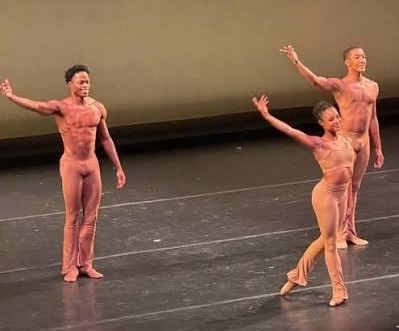
Clear by Houston Ballet Artistic Director Staton Welch AM was the perfect intermezzo. In this work brevity worked to the ballet’s advantage. Naazir Muhammad and Harper Watters danced with an impressive, synchronized procession. The work broke the symmetry with canons before evolving into brief solo passages. Kellen Hornbuckle swooped in from stage left and the duet became a pas de trios as they breezed through a ménage of lifts and turns before she disappeared stage right.
The light revealed Taylor Stanley seated on the floor in a fourth position at the start of Andrea Miller’s Middle Length Poem. The floor work had a supple quality that was always in harmony with the surface. His slow and deliberate ascent to standing produce a sense of anticipation. Stanley integrated the technique and movement with an ease that recalled a Harkness Ballet era Finis Jhung. The atmospheric lighting created a cavernous feeling and eventually assisted Stanley’s playful yet stylish and unexpected exit.
French dance legend Roland Petit closed Act one with the duet Thais. Performed by two historic, trailblazing Étoiles (highest rank) of the Paris Opera Ballet, Danseur Étoile Guillaume Diop and Danseuse Étoile Sae Eun Park. Both artists shattered the centuries-old glass ceilings (or as we refer to it as “tipped over the rosin box”) becoming the first Black and Asian to achieve Étoile status.
The lyric duet offered strong partnering, effortless lifts, and barrages of multiple supported pirouettes from different approaches. The couple danced with an abandon that never lost the human/interpersonal quality. A true danseur noble Diop framed Park becoming an almost invisible “platinum setting” for a resplendent jewel. The work climaxed in a down spot of light with Park revolving overhead in a one arm press as the light slowly dimmed.
Act two returned to the week one energy with Dwight Rhoden’s Ave Maria back for a second week. After prompting spontaneous standing ovations in week one, the work continued to move audiences in week two. For the second week, Complexions’ Joe Gonzalez was joined by American Ballet Theatre’s Madison Brown. Although the couple delivered a powerful performance, week-one dancer April Watson remained unforgettable.
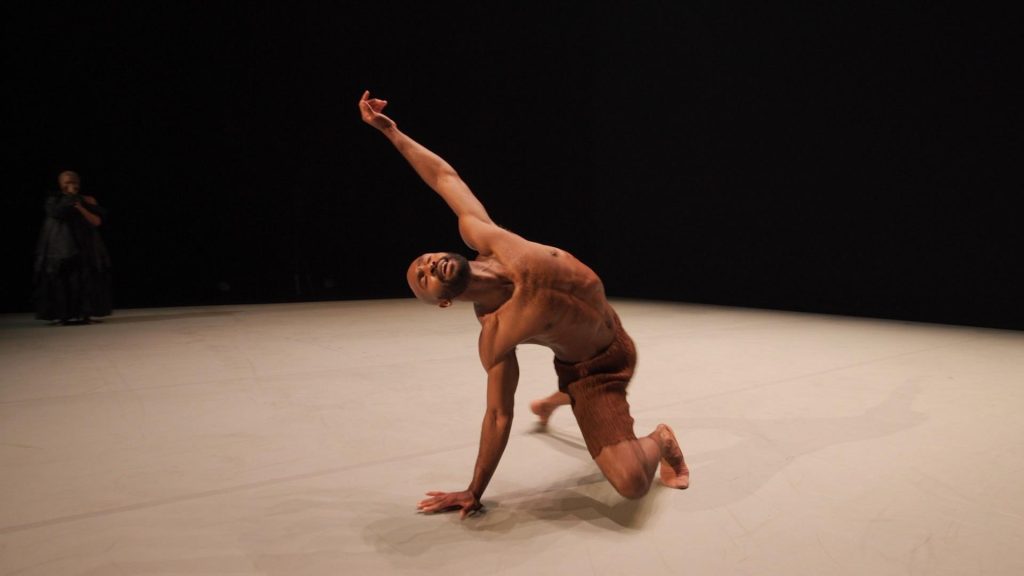
The sleeper of the evening was also the most succinct. Alonzo King’s Lift Every Voice and Sing excerpt from his Deep River suite was an inspiring standout solo moment. Dancer Babatunji’s commanding interpretation coupled with King’s fluid and unencumbered choreography produced the evening’s true high note. Kudos to choreographer King for using only the first verse and chorus of the Black National Anthem (it has five verses). The solo left the audience wanting more.
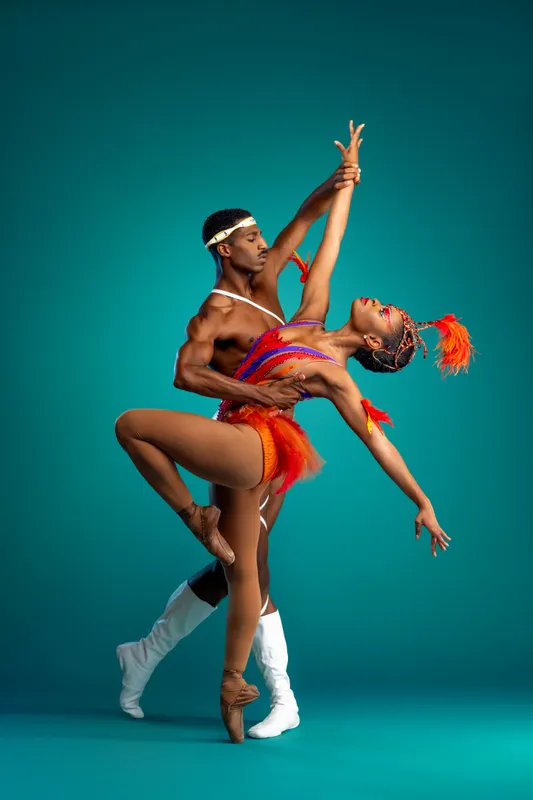
John Taras’ Firebird returned to the repertoire of the Dance Theater of Harlem and created a sensation during the company’s 2026 New York City Center spring season. The work recalled the company’s “Golden Age” under the direction of founder Arthur Mitchell. Alexandra Hutchington and Derek Brockington danced the solo and duet sections with right blend of technique and drama to breathe new life into this ballet favorite.
Both weeks closed with group works commissioned by the Joyce especially for the ballet festival. Choreographer Ito’s sextet, Melt: From the Inside Out brought the festival to close during week two. To Ito’s credit the work open with undulating bodies that was void of the “usual suspects” of technical lines, ballet steps or acrobatic tricks – just pure movement. The novelty soon wore thin and the work was not assisted by Carolyn Wong’s lighting; which was oft times colorful but too dark. Somehow dancer Deven Crawford managed to be a bright light in this otherwise murky production.
The August dance doldrums will soon settle in as artists and companies begin to gear up for an exciting fall/holiday season. The Joyce Ballet Festival also marked the end of the Joyce’s spring/summer 2026 season. The festival exemplified the dichotomic nature of dance. It is graceful and athletic, collaborative but often requires independence; and ephemeral yet enduring.
Within the dance world ballet remains one of the last bastions of segregation. Gifted artists of color have had to leave America just to work and achieve recognition. And when acclaim is achieved, it is usual bestowed on an individual as the exception. If the future of ballet is reflected in the ensemble of diverse performers and dance makers presented at the Joyce, then the ever-evolving future of ballet shows promise.
To see the 2026 Joyce fall roster of artists visit Joyce.org.