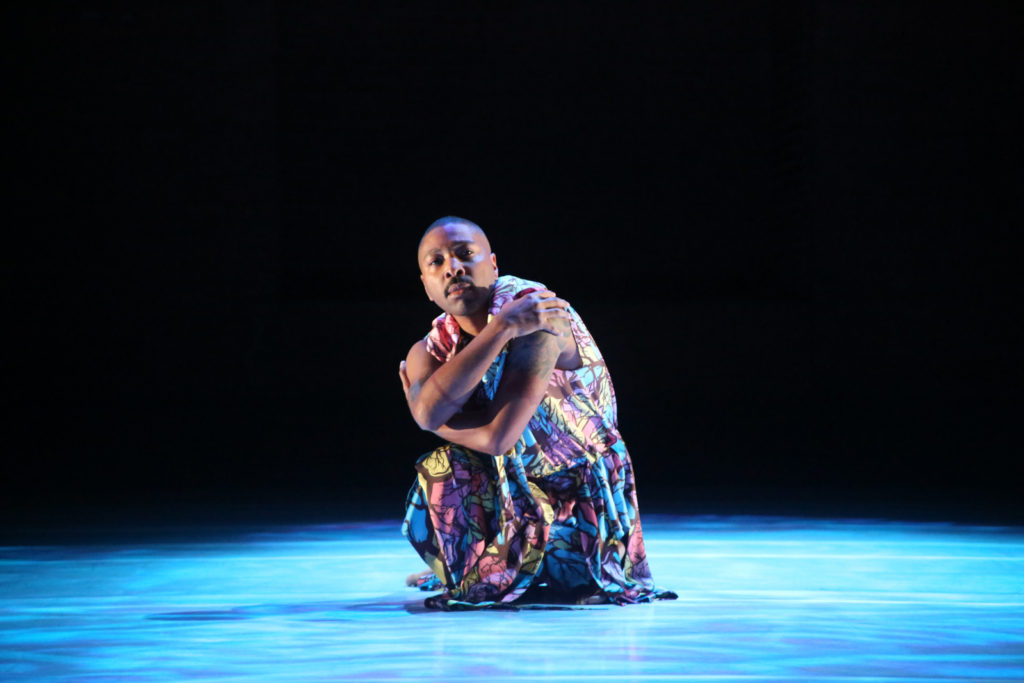
Actress, author and burlesque entertainer Gyspy Rose Lee once said, “If a thing is worth doing, it worth doing slowly… very slowly”. Fandango by choreographer Lar Lubovitch embodies Lee’s philosophy and more. Instead of flashy flurries of movement, the sensual duet performed by Danica Paulos and Clifton Brown; and set to Maurice Ravel’s contemporary classic chestnut Bolero, smoldered with a steady and intense heat.Continue reading
When incidents of oppression are remembered through the eyes of the oppressor and their descendants the atrocities usual receive a historic “whitewashing”; or become uncomfortable footnotes in whispered history. There is a majesty and power in truth. Greenwood by choreographer Donald Byrd retells the Oklahoma massacre dubbed the 1921 Tulsa Race Riot; a sinister event of racism that has been swept under the Jim Crow rug of American history.
The difference between an established dance maker and an artist is not just prowess, but their need to take risks. Byrd, an accomplished storyteller, introduces us to the ethereal Jacqueline Green, who functions as an omniscient and omnipresent Griot. Entering upstage center through a floor to ceiling monolith that opens into a black box, Green with an Amazonian presence transports us into the segregated Greenwood district of Tulsa, Oklahoma.
A blond and bouffant Danica Paulos stands center stage framed in a rectangular box of light we hear the approaching footsteps of Chalvar Monterio; who joins her in the light. As she brings her arms together the eerie sound of metal elevator gates closing cuts through the silence. This first innocent encounter probably reflects what really happened; a black man entered an elevator and stepped on the foot of a white teenage girl- the tragedy begins.
Through the course of the work this elevator scenario is repeated three times. Each time the encounter becomes intentionally less innocent, and Monterio’s portrayal becomes more “savage” and physically aggressive. This theatrical device helped symbolize how the incident became more sensationalize by the bigoted Tulsa community to insight the carnage. In each subsequent renditions the walking sound was augmented with the sound of more running as if fleeing an angry lynch mob.
Clifton Brown, Ghrai DeVore-Stokes, Solomon Dumas and Jacquelin Harris portrayed the “colored” citizens of Greenwood. Byrd interspersed moments of stylized posed stillness. These tableaus recall the sepia colored family portraits photographs of the proud Greenwood citizenry. This effectively created a subtle and nuanced pathos for these soon to be victims of mob violence.
To Byrd’s credit he did not create a literal Klu Klux Klan militia; instead the oppressor are silver automatons- faceless, mindless, devoid of a heart or soul. Even the movement vocabulary Bryd assigned to this ensemble of seven dancers had a robotic non-human quality.
The Tulsa African- American community was a living example of W.E.B. Dubois’ doctrine of self- determination. Since the Caucasian population demanded social and economic delineations and extreme apartheid- like separation by race; this left Tulsa’s African- American population to develop their own reality. The people’s ability to adapt, to adjust, survive and flourish; and the concept of Greenwood, a thriving self-sufficient “Colored” community, only created envy, scorn and resentment. The White community only needed a social issue scandal to justify displacing and erasing Greenwood; and destroy the community’s growing and solidified political and civic base.
In a striking moment Green sits downstage legs crossed arms relaxed at her side with her back to the audience; a passive, almost otherworldly, observer of the butchery. Green eventually rises, walks upstage to aid the fallen motionless citizens strewn about the stage floor. She drags Harris from the group and then lifts her onto her shoulder and carries her limp and broken body through the monolithic doorway and out of view.
The 1921 Tulsa Race Riot is one of the many little-known tragedies that illustrates the struggle for racial equality and the oppressive Jim Crow era. Byrd’s ability to translate history into a powerful abstract narrative is another example of how a seasoned choreographer/storyteller brings new life to a forgotten American abomination. Less than two years later the 1923 Rosewood Massacre decimated another thriving African- American community in Florida. These atrocities are absent from most classroom history books, so it is up to brave artists like Byrd to remind us of the majesty and power in truth- less we forget.
Greenwood by Donald Byrd
In Photo: 1) Clifton Brown, Solomon Dumas, Jacquelin Harris Akua Noni Parker and Jacqueline Green 2) Danica Paulos and Chalvar Monteiro 3) Clifton Brown, Ghrai DeVore-Stokes, Solomon Dumas and Jacquelin Harris and Jacqueline Green
Photography by: 1&3) Paul-Kolnik 2) Andrea Mohin/The New York Times
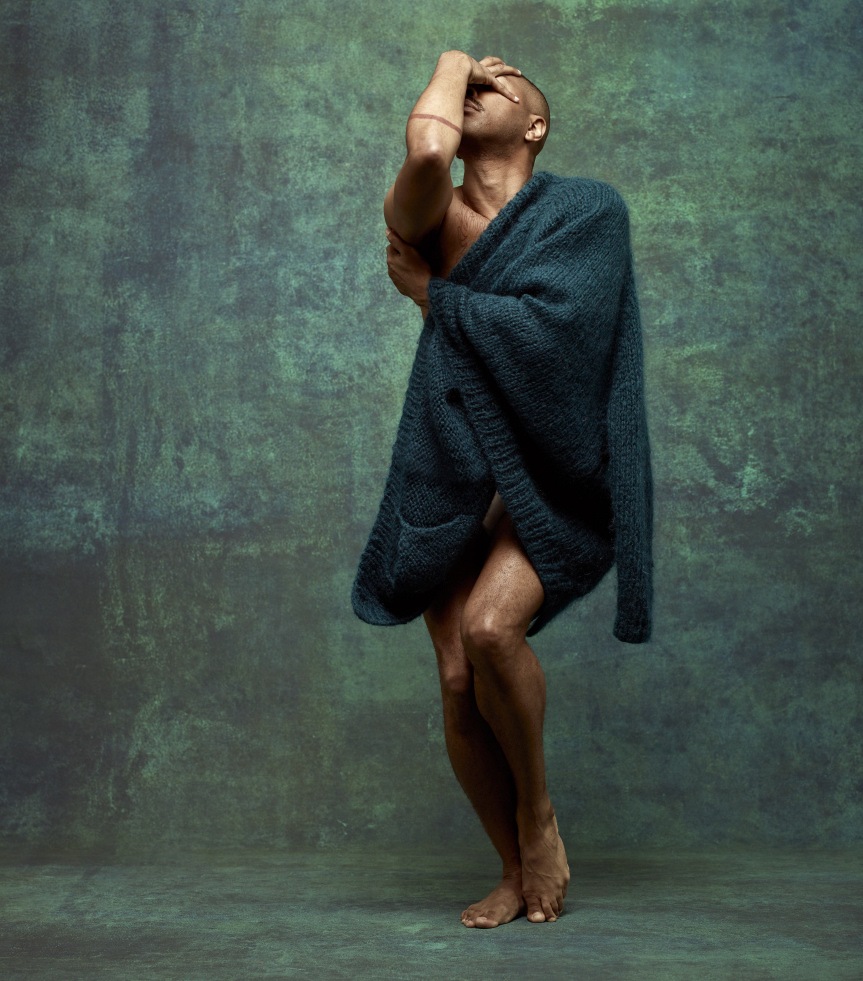
A danseur noble is a male dancer who projects great nobility of character. A dancer who performs at the highest theatrical level combining exceptional grace, technique and strength. In a prior review I referred to Ailey principal dancer Yannick LeBrun as a danseur noble. It was not one performance or one season that brought me to that conclusion, but a career collective.Continue reading
In the early 2000’s the Uptown Dance Academy was located in the large loft space above a discount department store in East Harlem. After climbing the steep double flight of stairs, I met a group of young dancers warming up in a small subdivided studio. Director Robin Williams introduced me to the cherubic faced girls and boys; whose youthful exuberance and joy of endless possibilities filled the room. Williams and I had a brief conversation, which ended in a private joke. In the corner a girl stretching on the floor responded to my comment with a hearty “ole soul” laugh; that doe-eyed precocious eleven-year old was Khalia Campbell.Continue reading
Masazumi Chaya, affectionately called Chaya, has been a part of Ailey organization for almost half a century. Chaya joined the Alvin Ailey American Dance Theater in 1972 during an era we refer to as the Golden Age of Ailey. During Chaya’s fifteen years as an Ailey dancer he distinguished himself as an intense performer; who excited audience with an almost effervescent abandon.Continue reading
The Leslie-Lohman Museum For Gay and Lesbian Art Gala took place on October 22 at one of the first venues for modern dance the Judson Theater. The celebration/ raised funds and awareness to the many projects and exhibitions directly effecting the LGTBQ community. One of the true highlights of this festival fundraising evening was the internationally acclaimed dance company Ballet Eloelle.
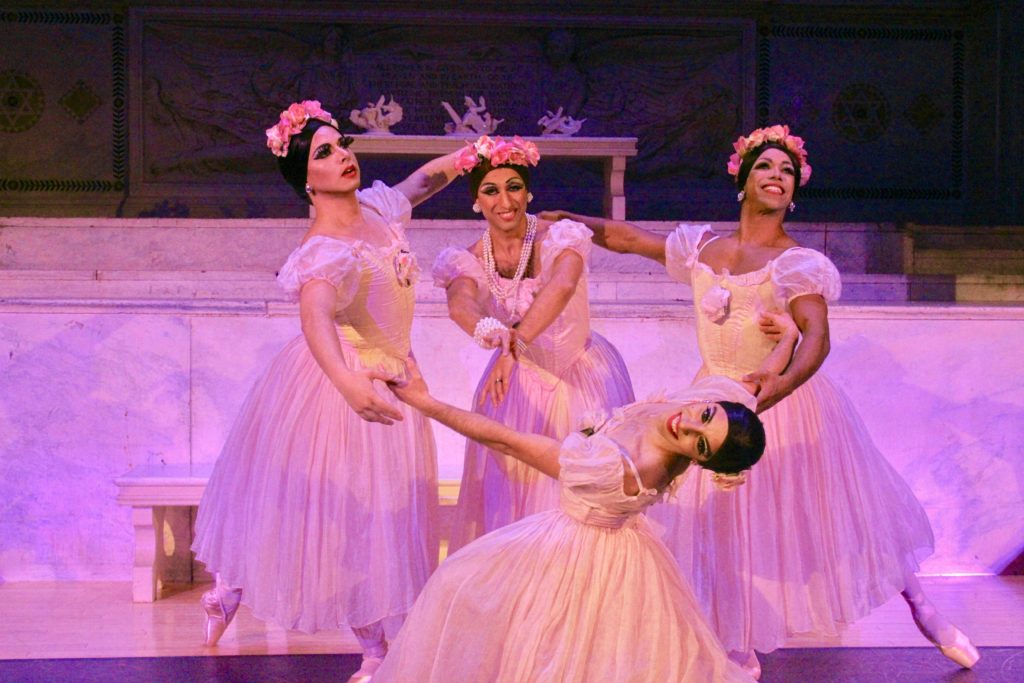
A five-member ensemble from the all- male comedy ballet company entertained and enlightened the audience; sharing the message of diversity and tolerance through humor. The company is one of only a handful of professional “gender bending” dance companies in the world (Les Ballets Trockadero de Monte Carlo being the most recognizable). Founded and directed by Victor Trevino the New York City based Ballet Eloelle has an extensive internationally touring portfolio, delighting audiences and receiving rave reviews throughout Europe, Asia, South America, the Caribbean and the United States.
The dancers are a collective of veteran comic male ballerinas and new faces from around the globe; a hallmark of this very special band of globetrotting troubadours. The Dying Swan performed by Nina Minimaximova (aka Trevino) with brilliant self- effacing comedic timing that brought the house down!
Ballet Eloelle- Harliquenade Pas de Deux
Another standout was principal dancer Marianel Moarorles (aka Walter Battistini). The diminutive powerhouse performed Harliquinade Pas de deux with male lead Tetsushi Segawa. Battisini’s strong fleet-footed allegro perfectly balanced his comedic and oft-times coquettish partnering style; making the duet and variations one of the evening’s high points.
Ballet Eloelle- Pas de Quatre
Battisini was also featured in Pas de Quatre, a spoof on the renowned divertissement choreographed by Jules Perrot in 1845. Dancing as famed nineteen century ballerina Franni Cerrito, he was joined onstage with three other divas: Tamara Verde (Roberto Forleo) as Marie Taglioni, Palomina Carrera (Jonathan Mendez) as Carlotta Grisi, and Teresa Carino (Estefano Gil) as Lucille Grahn. Together this fearsome foursome was electric as they parodied this Romantic ballet classic.
Ballet Eloelle brought the right amount of humor, satire and solid dance technique to the Leslie-Lohman Museum Gala. The troupe definitely are dancing ambassadors helping all of us leap in to a more tolerate and inclusive world. And they are doing it with laughter- one bourree at a time.
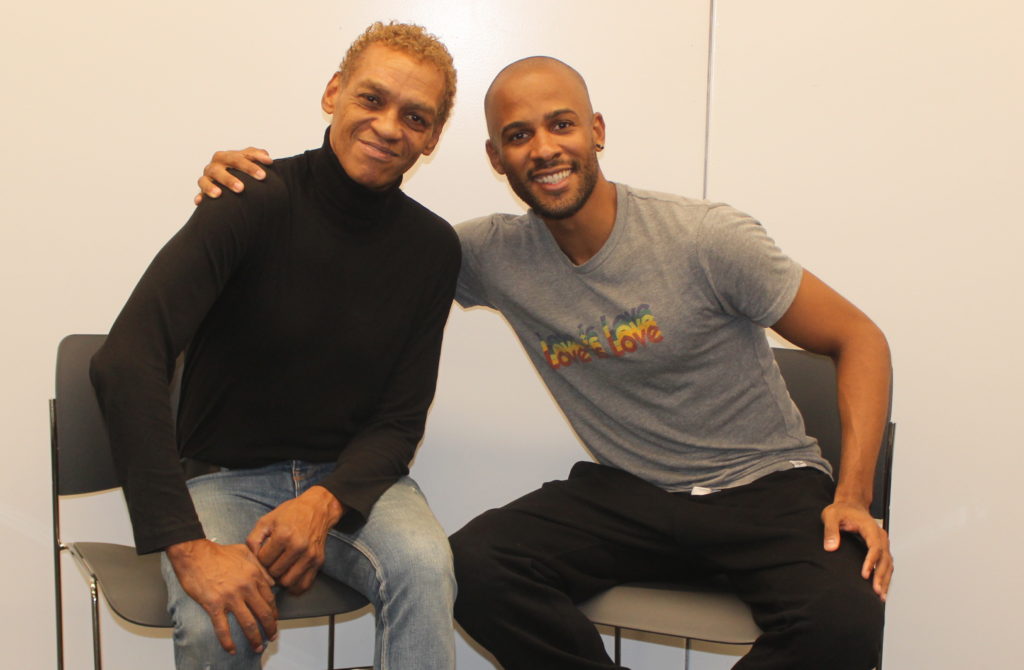
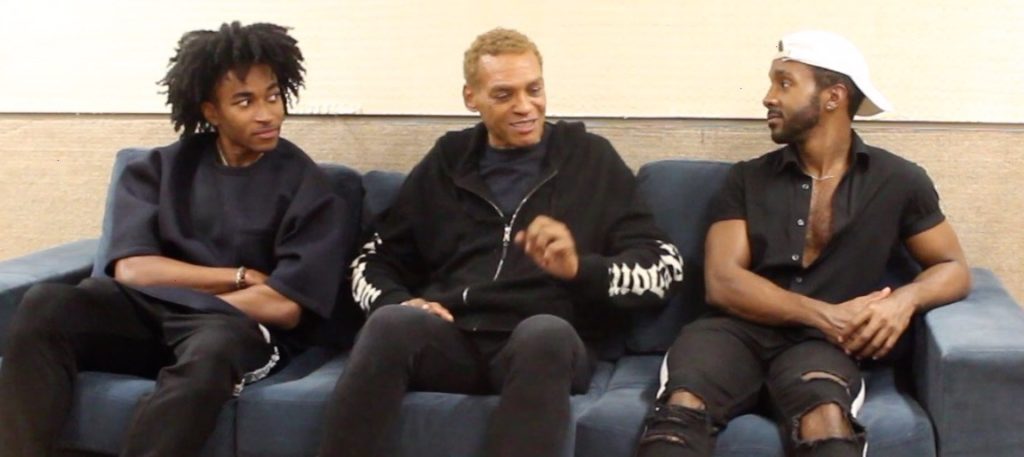
The Paul Taylor Dance Companyhas gone through a major transition. Over the last two years the company has seen many Taylor dancers retire, the acquisition of eight new dancers and a new artistic director. New works by the next wave of modern dance makers have become an exciting addition the predominately Taylor based repertoire. O&A NYC Magazine Editor-in-Chief Walter Rutledge sat down with Alex Clayton and Devon Louis two new members of the Taylor company.
A Conversation With Alex Clayton and Devon Louis
Clayton joined the company in the summer of 2017 and made his New York City debut during the 2018 season. A self- described high energy mover he has also served as rehearsal assistant for Lila York’s 2016 Continuum for the Taylor Company Commissions. Louis makes his New York City debut with the Taylor company this season; October 29 through November 17. In our conversation we discuss how they are acclimating to the technique, the repertoire and all things Taylor.
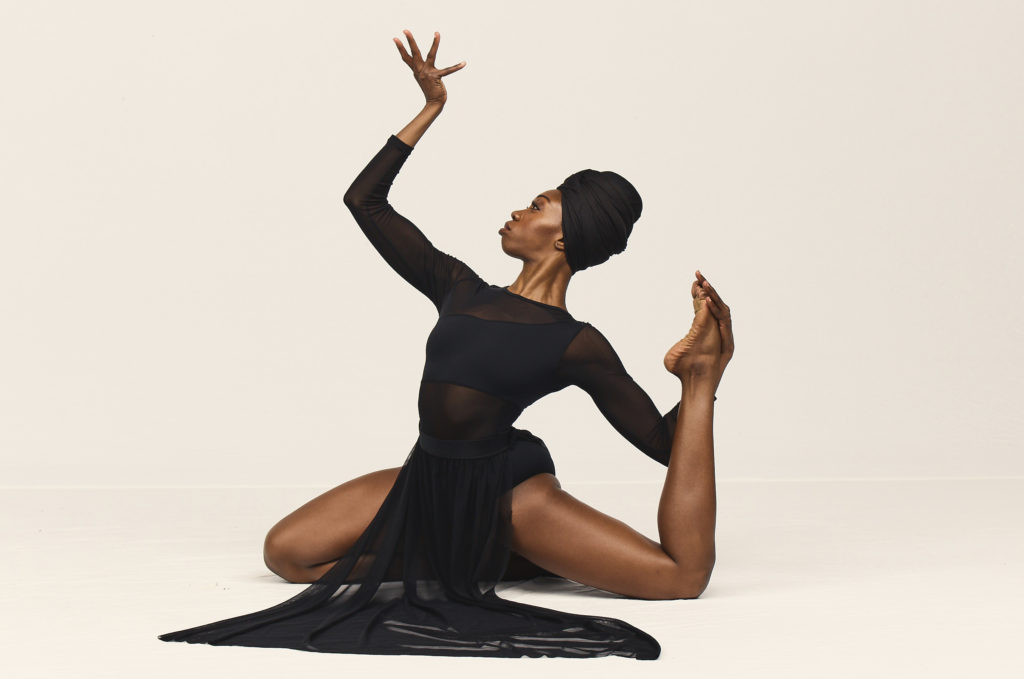
Michelle Fleethas been affiliated with the Taylor organization since 1999. During her twenty-year association she has been a member of Taylor 2 (1999- 2002) and a seventeen-year member of the Paul Taylor Dance Company. The Bronx native talked with Out and About NYC Magazine Editor-in Chief Walter Rutledgeabout her career, favorite roles, and future ambitions prior to her final season (October 29 through November 17 at Lincoln Center’s Koch Theater) as a member of the Taylor company.Continue reading
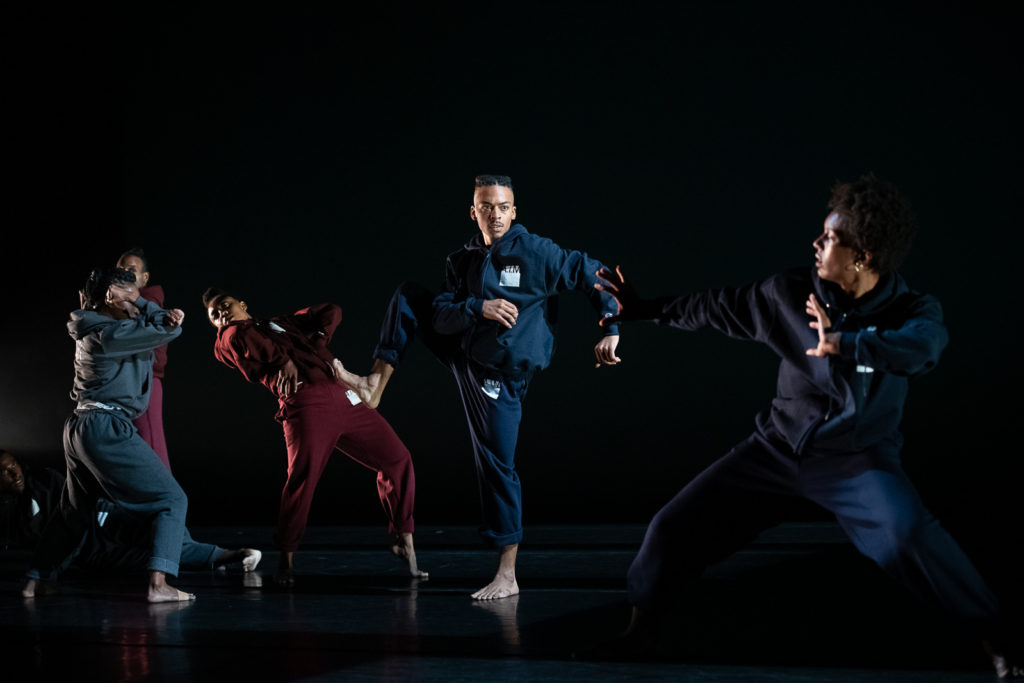
A.I.M. (Abraham In Motion) presented their New York City season at the Joyce Theater Tuesday, October 15 through Sunday, October 20, 2019. The six- day, seven performance season offered five works, including three world premieres and one company premieres, by three choreographers. The concise, focused and extremely audience friendly program was a successful blend of both visceral and cerebral movement and imagery.
In Big Rings (2019 World Premiere) choreographer and company member Keerati Jinakunwiphat presented a cleanly crafted ensemble work for six dancers. Jinakunwiphat clearly understands the craft of choreography, approaching this work with strong compositional form and design. Extremely fluent in “Abraham”; she proficiently worked in Abraham’s vernacular and canon. The use of music from different genres and the well employed choreographic device of theme and development kept the work fast past and well defined. This was especially evident in the second movement of the work where she brought freshness to Camille Saint-Saens “chestnut” The Swan.
Show Pony (2018) presented performer Marcella Lewis and choreographer Abraham in a very favorable light. In true Abraham style the choreographer established a finite movement vocabulary; which he manipulated, variated and developed throughout. Shifting between pure and gesture driven movement (with a pleasant dash of personality) Abraham created a work that was dynamic, original and fun.
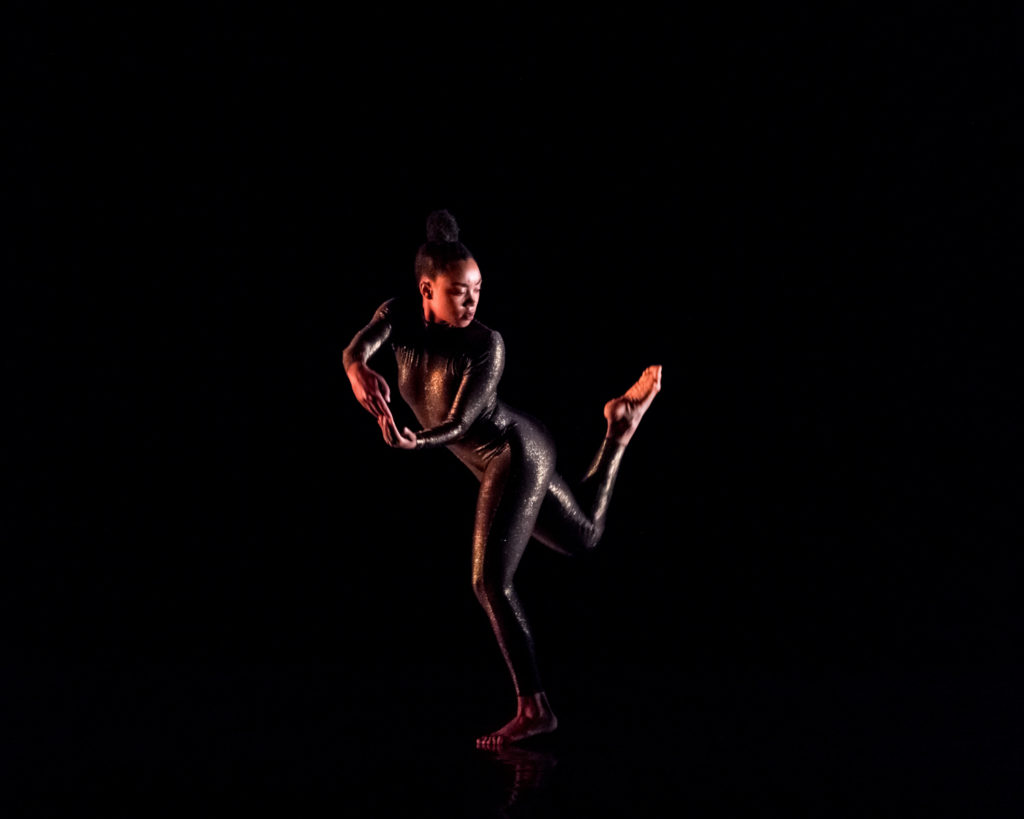
Clad in a metallic gold unitard Lewis danced with unmitigated aplomb; commanding the stage and at times relegated the audience to unwitting voyeurism. If the arms are the language of the dance, Abraham allowed her to speak in a clear choreographic voice. She gave new meaning to the phrase “the hostess with the mostest”; when retreating to a pool of clear light she smiled while offering salutations and greetings to the audience.
Trisha Brown’s Solo Olos (1976 company premiere) epitomizes the phase God mic. The work for five dancers and initially performed in silence took an unexpected twist when dancer Donovan Reed jumped off the stage and sat on the first row with a wireless microphone. The almost Deis Machine devise became an omnipresent dictate guiding the dancers through the movement, which consisted of reversing many of the movement passages. This thinking man’s (excuse me- thinking person’s) abstract ballet lived up to it’s title.
Cocoon (2019 World Premiere), a solo choreographed and performed by Kyle Abraham, opened with a chorus of singers placed in the audience in front of the stage. Performing music by Bjork (arranged by lead singer Nicholas Ryan Gant) the nine- member chorus accompanied Abraham; who began in a crouched position on the floor in a circle of Azurite blue light. As if on a slow- moving carousel Abraham unfolded his body shifting position as Dan Scully’s light design expanded to eventually encompass the entire stage.
The choreography shifted between explosive passages to exploring the plastique of movement through sustained stillness. Abraham removed the sash that sequestered his shirt, and an offstage gust of wind surrounded him. Symbolically his motionless form was being propelled to a new metaphysical plain- a metamorphosis.
The evening concluded with Studies On A Farewell (2019 world premiere) an episodic ensemble work for eight dancers and choreographed by Abraham in collaboration with A.I.M. Set to Four Studies by Nico Muhly and performed live by Katherine Liccardo and Chelsea Starbuck Smith in tandem with a recorded track. The work depicted a series of encounters and partings tinged with a collective personal, almost autobiographic feeling. Jinakunwiphat slowly walking backward alone retreating upstage into the darkness culminating theballet and the evening.
Abraham continues to share his unique gift of abstract storytelling. The sophisticated and aesthetically satisfying A.I.M. New York season combined solid choreography with high production value.
In Photo: 2) Tamisha Guy, Marcella Lewis, Javon Jones, and Catherine Ellis Kirk 3) Marcella Lewis 4) Catherine Ellis Kirk 5) Kyle Abraham 6) Tamisha Guy and Javon Jones
Photo by: 1) Tatiana Wills 2) Sharen Bradford 3) Christopher Duggan 4, 5 & 6) Stephen Schreiber
Legacy, a shared concert between Brooklyn based Jamel Gaine’s Creative Outlet and Chicago’s Deeply Rooted Dance Theater, presented a well curated evening of dance theatre works at BAM Fisher on Friday and Saturday September 13 and 14, 2019. Founding directors Jamel Gaines and Deeply Rooted’s Kevin Jeff (both Queens natives and Bernice Johnson Dance School alums) presented a concert of shared dance philosophies. The evening had a kindred aesthetic; presenting seven works spanning thirty-five years.Continue reading
1Dance of The Village Elders at St. Phillips Church from 2:30 am to 3:30 am Flower Power from 10:00 am to 8:00 pm Iris van Herpen: Sculpting the Senses from 10:00 am to 8:00 pm Guggenheim Pop: 1960 to Now from 10:00 am to 8:00 pm The Met’s Arts of Africa from 10:00 am to 8:00 pm Fall For Dance from 7:30 pm to 9:30 pm
2Flower Power from 10:00 am to 8:00 pm Iris van Herpen: Sculpting the Senses from 10:00 am to 8:00 pm Guggenheim Pop: 1960 to Now from 10:00 am to 8:00 pm The Met’s Arts of Africa from 10:00 am to 8:00 pm Dance of the Village Elders - R.A.I.N. Neried from 10:30 am to 11:30 am Fall For Dance from 7:30 pm to 9:30 pm
3Flower Power from 10:00 am to 8:00 pm Iris van Herpen: Sculpting the Senses from 10:00 am to 8:00 pm Guggenheim Pop: 1960 to Now from 10:00 am to 8:00 pm The Met’s Arts of Africa from 10:00 am to 8:00 pm Fall For Dance from 7:30 pm to 9:30 pm
4Flower Power from 10:00 am to 8:00 pm Iris van Herpen: Sculpting the Senses from 10:00 am to 8:00 pm Guggenheim Pop: 1960 to Now from 10:00 am to 8:00 pm The Met’s Arts of Africa from 10:00 am to 8:00 pm Sanctuary from 5:00 pm to 12:00 am
5Flower Power from 10:00 am to 8:00 pm Iris van Herpen: Sculpting the Senses from 10:00 am to 8:00 pm Guggenheim Pop: 1960 to Now from 10:00 am to 8:00 pm The Met’s Arts of Africa from 10:00 am to 8:00 pm Paramount Movie Nights at Bryant Park from 8:00 pm to 10:00 pm
6Flower Power from 10:00 am to 8:00 pm Bryant Park Yoga from 10:00 am to 11:00 am Iris van Herpen: Sculpting the Senses from 10:00 am to 8:00 pm Guggenheim Pop: 1960 to Now from 10:00 am to 8:00 pm The Met’s Arts of Africa from 10:00 am to 8:00 pm
7Flower Power from 10:00 am to 8:00 pm Iris van Herpen: Sculpting the Senses from 10:00 am to 8:00 pm Guggenheim Pop: 1960 to Now from 10:00 am to 8:00 pm The Met’s Arts of Africa from 10:00 am to 8:00 pm Bryant Park Yoga from 6:00 pm to 7:00 pm
8Dance of The Village Elders at St. Phillips Church from 2:30 am to 3:30 am Flower Power from 10:00 am to 8:00 pm Iris van Herpen: Sculpting the Senses from 10:00 am to 8:00 pm Guggenheim Pop: 1960 to Now from 10:00 am to 8:00 pm The Met’s Arts of Africa from 10:00 am to 8:00 pm
9Flower Power from 10:00 am to 8:00 pm Iris van Herpen: Sculpting the Senses from 10:00 am to 8:00 pm Guggenheim Pop: 1960 to Now from 10:00 am to 8:00 pm The Met’s Arts of Africa from 10:00 am to 8:00 pm Dance of the Village Elders - R.A.I.N. Neried from 10:30 am to 11:30 am
10Flower Power from 10:00 am to 8:00 pm Iris van Herpen: Sculpting the Senses from 10:00 am to 8:00 pm Guggenheim Pop: 1960 to Now from 10:00 am to 8:00 pm The Met’s Arts of Africa from 10:00 am to 8:00 pm
11Flower Power from 10:00 am to 8:00 pm Iris van Herpen: Sculpting the Senses from 10:00 am to 8:00 pm Guggenheim Pop: 1960 to Now from 10:00 am to 8:00 pm The Met’s Arts of Africa from 10:00 am to 8:00 pm Sanctuary from 5:00 pm to 12:00 am
12Flower Power from 10:00 am to 8:00 pm Iris van Herpen: Sculpting the Senses from 10:00 am to 8:00 pm Guggenheim Pop: 1960 to Now from 10:00 am to 8:00 pm The Met’s Arts of Africa from 10:00 am to 8:00 pm Paramount Movie Nights at Bryant Park from 8:00 pm to 10:00 pm
13Flower Power from 10:00 am to 8:00 pm Bryant Park Yoga from 10:00 am to 11:00 am Iris van Herpen: Sculpting the Senses from 10:00 am to 8:00 pm Guggenheim Pop: 1960 to Now from 10:00 am to 8:00 pm The Met’s Arts of Africa from 10:00 am to 8:00 pm
14Flower Power from 10:00 am to 8:00 pm Iris van Herpen: Sculpting the Senses from 10:00 am to 8:00 pm Guggenheim Pop: 1960 to Now from 10:00 am to 8:00 pm The Met’s Arts of Africa from 10:00 am to 8:00 pm Bryant Park Yoga from 6:00 pm to 7:00 pm
15Dance of The Village Elders at St. Phillips Church from 2:30 am to 3:30 am Flower Power from 10:00 am to 8:00 pm Iris van Herpen: Sculpting the Senses from 10:00 am to 8:00 pm Guggenheim Pop: 1960 to Now from 10:00 am to 8:00 pm The Met’s Arts of Africa from 10:00 am to 8:00 pm
16Flower Power from 10:00 am to 8:00 pm Iris van Herpen: Sculpting the Senses from 10:00 am to 8:00 pm Guggenheim Pop: 1960 to Now from 10:00 am to 8:00 pm The Met’s Arts of Africa from 10:00 am to 8:00 pm Dance of the Village Elders - R.A.I.N. Neried from 10:30 am to 11:30 am
17Flower Power from 10:00 am to 8:00 pm Iris van Herpen: Sculpting the Senses from 10:00 am to 8:00 pm Guggenheim Pop: 1960 to Now from 10:00 am to 8:00 pm The Met’s Arts of Africa from 10:00 am to 8:00 pm
18Flower Power from 10:00 am to 8:00 pm Iris van Herpen: Sculpting the Senses from 10:00 am to 8:00 pm Guggenheim Pop: 1960 to Now from 10:00 am to 8:00 pm The Met’s Arts of Africa from 10:00 am to 8:00 pm Sanctuary from 5:00 pm to 12:00 am
19Iris van Herpen: Sculpting the Senses from 10:00 am to 8:00 pm Guggenheim Pop: 1960 to Now from 10:00 am to 8:00 pm The Met’s Arts of Africa from 10:00 am to 8:00 pm Paramount Movie Nights at Bryant Park from 8:00 pm to 10:00 pm
20Bryant Park Yoga from 10:00 am to 11:00 am Iris van Herpen: Sculpting the Senses from 10:00 am to 8:00 pm Guggenheim Pop: 1960 to Now from 10:00 am to 8:00 pm The Met’s Arts of Africa from 10:00 am to 8:00 pm
21Iris van Herpen: Sculpting the Senses from 10:00 am to 8:00 pm Guggenheim Pop: 1960 to Now from 10:00 am to 8:00 pm The Met’s Arts of Africa from 10:00 am to 8:00 pm Bryant Park Yoga from 6:00 pm to 7:00 pm
22Dance of The Village Elders at St. Phillips Church from 2:30 am to 3:30 am Iris van Herpen: Sculpting the Senses from 10:00 am to 8:00 pm Guggenheim Pop: 1960 to Now from 10:00 am to 8:00 pm The Met’s Arts of Africa from 10:00 am to 8:00 pm
23Iris van Herpen: Sculpting the Senses from 10:00 am to 8:00 pm Guggenheim Pop: 1960 to Now from 10:00 am to 8:00 pm The Met’s Arts of Africa from 10:00 am to 8:00 pm Dance of the Village Elders - R.A.I.N. Neried from 10:30 am to 11:30 am
24Iris van Herpen: Sculpting the Senses from 10:00 am to 8:00 pm Guggenheim Pop: 1960 to Now from 10:00 am to 8:00 pm The Met’s Arts of Africa from 10:00 am to 8:00 pm
25Iris van Herpen: Sculpting the Senses from 10:00 am to 8:00 pm Guggenheim Pop: 1960 to Now from 10:00 am to 8:00 pm The Met’s Arts of Africa from 10:00 am to 8:00 pm Sanctuary from 5:00 pm to 12:00 am
26Iris van Herpen: Sculpting the Senses from 10:00 am to 8:00 pm Guggenheim Pop: 1960 to Now from 10:00 am to 8:00 pm The Met’s Arts of Africa from 10:00 am to 8:00 pm Paramount Movie Nights at Bryant Park from 8:00 pm to 10:00 pm
27Bryant Park Yoga from 10:00 am to 11:00 am Iris van Herpen: Sculpting the Senses from 10:00 am to 8:00 pm Guggenheim Pop: 1960 to Now from 10:00 am to 8:00 pm The Met’s Arts of Africa from 10:00 am to 8:00 pm
28Iris van Herpen: Sculpting the Senses from 10:00 am to 8:00 pm Guggenheim Pop: 1960 to Now from 10:00 am to 8:00 pm The Met’s Arts of Africa from 10:00 am to 8:00 pm Bryant Park Yoga from 6:00 pm to 7:00 pm
29Dance of The Village Elders at St. Phillips Church from 2:30 am to 3:30 am Iris van Herpen: Sculpting the Senses from 10:00 am to 8:00 pm Guggenheim Pop: 1960 to Now from 10:00 am to 8:00 pm The Met’s Arts of Africa from 10:00 am to 8:00 pm
30Iris van Herpen: Sculpting the Senses from 10:00 am to 8:00 pm Guggenheim Pop: 1960 to Now from 10:00 am to 8:00 pm The Met’s Arts of Africa from 10:00 am to 8:00 pm Dance of the Village Elders - R.A.I.N. Neried from 10:30 am to 11:30 am
31Iris van Herpen: Sculpting the Senses from 10:00 am to 8:00 pm Guggenheim Pop: 1960 to Now from 10:00 am to 8:00 pm The Met’s Arts of Africa from 10:00 am to 8:00 pm
Today’s Events
Iris van Herpen: Sculpting the SensesIris van Herpen: Sculpting the SensesTime: 10:00 am - 8:00 pm A pioneer in the use of new technologies, Van Herpen transcends conventional clothing norms while embracing both traditional couture artisanship and innovative techniques. Ranging from the micro to the macro, the exhibition explores the body’s place in space, its relationship to clothing and its environment, and its future in a rapidly changing world.Brooklyn Musiem of Art
Morris A. and Meyer Schapiro Wing and Iris and B. Gerald Cantor Gallery, 5th Floor
Guggenheim Pop: 1960 to NowGuggenheim Pop: 1960 to NowTime: 10:00 am - 8:00 pm The show will present iconic works from the museum’s collection by more than 20 artists, including John Chamberlain, Chryssa, Jim Dine, Roy Lichtenstein, Lucas Samaras, and Andy Warhol. Highlights will include Maurizio Cattelan’s Comedian (2019) and Claes Oldenburg and Coosje van Bruggen’s Soft Shuttlecock (1995), on view in New York for the first time in 25 years. These works will be shown alongside Yayoi Kusama’s INFINITY MIRRORED ROOM – DANCING LIGHTS THAT FLEW UP TO THE UNIVERSE (2019), a major loan to the exhibition, and recent acquisitions by contemporary artists such as Farah Al Qasimi, Alex Da Corte, Lucia Hierro, Martine Gutierrez, Lauren Halsey, Mohammed Ahmed Ibrahim, Yee I-Lann, Cara Romero, and Liu Shiyuan, whose practices expand the legacies of Pop.1071 Fifth Avenue New York, NY 10128 (at 88th Street)
The Met’s Arts of AfricaThe Met’s Arts of AfricaTime: 10:00 am - 8:00 pm
The new permanent installation foregrounds the creativity of artists across the subcontinent and enduring, dynamic historical traditions. The Met’s Arts of Africa galleries returned in May 2025, in a reimagined Michael C. Rockefeller Wing. Following a multiyear renovation, the reenvisioned installation reintroduces visitors to the Museum’s collection of sub-Saharan African art through a selection of some 500 works organized to survey major artistic movements and living traditions from across the subcontinent. The new galleries present original creations from the Middle Ages to the present, and one-fourth of the works are on display at the Museum for the first time.
The Met Fifth Avenue
1000 Fifth Avenue
New York, NY 10028
Phone: 212-535-7710
Paramount Movie Nights at Bryant ParkParamount Movie Nights at Bryant ParkTime: 8:00 pm - 10:00 pm Welcome to the 33rd season of summer movies in Bryant Park! Bring a blanket and a friend, and grab your spot on the lawn to watch a feature film on the big screen under the stars. The lawn opens at 5pm and films begin at 8pm.Bryant Park
Upcoming Events
October 20, 2026
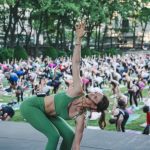
Bryant Park YogaBryant Park YogaTime: 10:00 am - 11:00 am Everyone’s favorite yoga program returns for summer 2026! From May 27 through September 16, join us for classes Tuesday mornings on the Upper Terrace, and Wednesday evenings on the lawn.Bryant Park Yoga presented by Halara is free to the public. Bring your mat and water and enjoy one hour of yoga with New York City’s top instructors.Bryant Park
42nd Street between 5th and 6th Avenue
Iris van Herpen: Sculpting the SensesIris van Herpen: Sculpting the SensesTime: 10:00 am - 8:00 pm A pioneer in the use of new technologies, Van Herpen transcends conventional clothing norms while embracing both traditional couture artisanship and innovative techniques. Ranging from the micro to the macro, the exhibition explores the body’s place in space, its relationship to clothing and its environment, and its future in a rapidly changing world.Brooklyn Musiem of Art
Morris A. and Meyer Schapiro Wing and Iris and B. Gerald Cantor Gallery, 5th Floor
Guggenheim Pop: 1960 to NowGuggenheim Pop: 1960 to NowTime: 10:00 am - 8:00 pm The show will present iconic works from the museum’s collection by more than 20 artists, including John Chamberlain, Chryssa, Jim Dine, Roy Lichtenstein, Lucas Samaras, and Andy Warhol. Highlights will include Maurizio Cattelan’s Comedian (2019) and Claes Oldenburg and Coosje van Bruggen’s Soft Shuttlecock (1995), on view in New York for the first time in 25 years. These works will be shown alongside Yayoi Kusama’s INFINITY MIRRORED ROOM – DANCING LIGHTS THAT FLEW UP TO THE UNIVERSE (2019), a major loan to the exhibition, and recent acquisitions by contemporary artists such as Farah Al Qasimi, Alex Da Corte, Lucia Hierro, Martine Gutierrez, Lauren Halsey, Mohammed Ahmed Ibrahim, Yee I-Lann, Cara Romero, and Liu Shiyuan, whose practices expand the legacies of Pop.1071 Fifth Avenue New York, NY 10128 (at 88th Street)
The Met’s Arts of AfricaThe Met’s Arts of AfricaTime: 10:00 am - 8:00 pm
The new permanent installation foregrounds the creativity of artists across the subcontinent and enduring, dynamic historical traditions. The Met’s Arts of Africa galleries returned in May 2025, in a reimagined Michael C. Rockefeller Wing. Following a multiyear renovation, the reenvisioned installation reintroduces visitors to the Museum’s collection of sub-Saharan African art through a selection of some 500 works organized to survey major artistic movements and living traditions from across the subcontinent. The new galleries present original creations from the Middle Ages to the present, and one-fourth of the works are on display at the Museum for the first time.
The Met Fifth Avenue
1000 Fifth Avenue
New York, NY 10028
Phone: 212-535-7710
October 21, 2026
Iris van Herpen: Sculpting the SensesIris van Herpen: Sculpting the SensesTime: 10:00 am - 8:00 pm A pioneer in the use of new technologies, Van Herpen transcends conventional clothing norms while embracing both traditional couture artisanship and innovative techniques. Ranging from the micro to the macro, the exhibition explores the body’s place in space, its relationship to clothing and its environment, and its future in a rapidly changing world.Brooklyn Musiem of Art
Morris A. and Meyer Schapiro Wing and Iris and B. Gerald Cantor Gallery, 5th Floor
Guggenheim Pop: 1960 to NowGuggenheim Pop: 1960 to NowTime: 10:00 am - 8:00 pm The show will present iconic works from the museum’s collection by more than 20 artists, including John Chamberlain, Chryssa, Jim Dine, Roy Lichtenstein, Lucas Samaras, and Andy Warhol. Highlights will include Maurizio Cattelan’s Comedian (2019) and Claes Oldenburg and Coosje van Bruggen’s Soft Shuttlecock (1995), on view in New York for the first time in 25 years. These works will be shown alongside Yayoi Kusama’s INFINITY MIRRORED ROOM – DANCING LIGHTS THAT FLEW UP TO THE UNIVERSE (2019), a major loan to the exhibition, and recent acquisitions by contemporary artists such as Farah Al Qasimi, Alex Da Corte, Lucia Hierro, Martine Gutierrez, Lauren Halsey, Mohammed Ahmed Ibrahim, Yee I-Lann, Cara Romero, and Liu Shiyuan, whose practices expand the legacies of Pop.1071 Fifth Avenue New York, NY 10128 (at 88th Street)
The Met’s Arts of AfricaThe Met’s Arts of AfricaTime: 10:00 am - 8:00 pm
The new permanent installation foregrounds the creativity of artists across the subcontinent and enduring, dynamic historical traditions. The Met’s Arts of Africa galleries returned in May 2025, in a reimagined Michael C. Rockefeller Wing. Following a multiyear renovation, the reenvisioned installation reintroduces visitors to the Museum’s collection of sub-Saharan African art through a selection of some 500 works organized to survey major artistic movements and living traditions from across the subcontinent. The new galleries present original creations from the Middle Ages to the present, and one-fourth of the works are on display at the Museum for the first time.
The Met Fifth Avenue
1000 Fifth Avenue
New York, NY 10028
Phone: 212-535-7710
Bryant Park YogaBryant Park YogaTime: 6:00 pm - 7:00 pm Bryant Park Yoga Everyone’s favorite yoga program returns for summer 2026! From May 27 through September 16, join us for classes Tuesday mornings on the Upper Terrace, and Wednesday evenings on the lawn.Bryant Park Yoga presented by Halara is free to the public. Bring your mat and water and enjoy one hour of yoga with New York City’s top instructors.Bryant Park
October 22, 2026
Dance of The Village Elders at St. Phillips ChurchDance of The Village Elders at St. Phillips ChurchTime: 2:30 am - 3:30 am A dance and wellness classes design for Older Adults taught by Walter Rutledge204 W 134th St, New York, NY 10030
Iris van Herpen: Sculpting the SensesIris van Herpen: Sculpting the SensesTime: 10:00 am - 8:00 pm A pioneer in the use of new technologies, Van Herpen transcends conventional clothing norms while embracing both traditional couture artisanship and innovative techniques. Ranging from the micro to the macro, the exhibition explores the body’s place in space, its relationship to clothing and its environment, and its future in a rapidly changing world.Brooklyn Musiem of Art
Morris A. and Meyer Schapiro Wing and Iris and B. Gerald Cantor Gallery, 5th Floor
Guggenheim Pop: 1960 to NowGuggenheim Pop: 1960 to NowTime: 10:00 am - 8:00 pm The show will present iconic works from the museum’s collection by more than 20 artists, including John Chamberlain, Chryssa, Jim Dine, Roy Lichtenstein, Lucas Samaras, and Andy Warhol. Highlights will include Maurizio Cattelan’s Comedian (2019) and Claes Oldenburg and Coosje van Bruggen’s Soft Shuttlecock (1995), on view in New York for the first time in 25 years. These works will be shown alongside Yayoi Kusama’s INFINITY MIRRORED ROOM – DANCING LIGHTS THAT FLEW UP TO THE UNIVERSE (2019), a major loan to the exhibition, and recent acquisitions by contemporary artists such as Farah Al Qasimi, Alex Da Corte, Lucia Hierro, Martine Gutierrez, Lauren Halsey, Mohammed Ahmed Ibrahim, Yee I-Lann, Cara Romero, and Liu Shiyuan, whose practices expand the legacies of Pop.1071 Fifth Avenue New York, NY 10128 (at 88th Street)
The Met’s Arts of AfricaThe Met’s Arts of AfricaTime: 10:00 am - 8:00 pm
The new permanent installation foregrounds the creativity of artists across the subcontinent and enduring, dynamic historical traditions. The Met’s Arts of Africa galleries returned in May 2025, in a reimagined Michael C. Rockefeller Wing. Following a multiyear renovation, the reenvisioned installation reintroduces visitors to the Museum’s collection of sub-Saharan African art through a selection of some 500 works organized to survey major artistic movements and living traditions from across the subcontinent. The new galleries present original creations from the Middle Ages to the present, and one-fourth of the works are on display at the Museum for the first time.
The Met Fifth Avenue
1000 Fifth Avenue
New York, NY 10028
Phone: 212-535-7710
October 23, 2026
Iris van Herpen: Sculpting the SensesIris van Herpen: Sculpting the SensesTime: 10:00 am - 8:00 pm A pioneer in the use of new technologies, Van Herpen transcends conventional clothing norms while embracing both traditional couture artisanship and innovative techniques. Ranging from the micro to the macro, the exhibition explores the body’s place in space, its relationship to clothing and its environment, and its future in a rapidly changing world.Brooklyn Musiem of Art
Morris A. and Meyer Schapiro Wing and Iris and B. Gerald Cantor Gallery, 5th Floor
Guggenheim Pop: 1960 to NowGuggenheim Pop: 1960 to NowTime: 10:00 am - 8:00 pm The show will present iconic works from the museum’s collection by more than 20 artists, including John Chamberlain, Chryssa, Jim Dine, Roy Lichtenstein, Lucas Samaras, and Andy Warhol. Highlights will include Maurizio Cattelan’s Comedian (2019) and Claes Oldenburg and Coosje van Bruggen’s Soft Shuttlecock (1995), on view in New York for the first time in 25 years. These works will be shown alongside Yayoi Kusama’s INFINITY MIRRORED ROOM – DANCING LIGHTS THAT FLEW UP TO THE UNIVERSE (2019), a major loan to the exhibition, and recent acquisitions by contemporary artists such as Farah Al Qasimi, Alex Da Corte, Lucia Hierro, Martine Gutierrez, Lauren Halsey, Mohammed Ahmed Ibrahim, Yee I-Lann, Cara Romero, and Liu Shiyuan, whose practices expand the legacies of Pop.1071 Fifth Avenue New York, NY 10128 (at 88th Street)
The Met’s Arts of AfricaThe Met’s Arts of AfricaTime: 10:00 am - 8:00 pm
The new permanent installation foregrounds the creativity of artists across the subcontinent and enduring, dynamic historical traditions. The Met’s Arts of Africa galleries returned in May 2025, in a reimagined Michael C. Rockefeller Wing. Following a multiyear renovation, the reenvisioned installation reintroduces visitors to the Museum’s collection of sub-Saharan African art through a selection of some 500 works organized to survey major artistic movements and living traditions from across the subcontinent. The new galleries present original creations from the Middle Ages to the present, and one-fourth of the works are on display at the Museum for the first time.
The Met Fifth Avenue
1000 Fifth Avenue
New York, NY 10028
Phone: 212-535-7710
Dance of the Village Elders - R.A.I.N. NeriedDance of the Village Elders - R.A.I.N. NeriedTime: 10:30 am - 11:30 am A dance and wellness classes design for Older Adults taught by Walter Rutledge720 Nereid Ave, Bronx, NY 10466
October 24, 2026
Iris van Herpen: Sculpting the SensesIris van Herpen: Sculpting the SensesTime: 10:00 am - 8:00 pm A pioneer in the use of new technologies, Van Herpen transcends conventional clothing norms while embracing both traditional couture artisanship and innovative techniques. Ranging from the micro to the macro, the exhibition explores the body’s place in space, its relationship to clothing and its environment, and its future in a rapidly changing world.Brooklyn Musiem of Art
Morris A. and Meyer Schapiro Wing and Iris and B. Gerald Cantor Gallery, 5th Floor
Guggenheim Pop: 1960 to NowGuggenheim Pop: 1960 to NowTime: 10:00 am - 8:00 pm The show will present iconic works from the museum’s collection by more than 20 artists, including John Chamberlain, Chryssa, Jim Dine, Roy Lichtenstein, Lucas Samaras, and Andy Warhol. Highlights will include Maurizio Cattelan’s Comedian (2019) and Claes Oldenburg and Coosje van Bruggen’s Soft Shuttlecock (1995), on view in New York for the first time in 25 years. These works will be shown alongside Yayoi Kusama’s INFINITY MIRRORED ROOM – DANCING LIGHTS THAT FLEW UP TO THE UNIVERSE (2019), a major loan to the exhibition, and recent acquisitions by contemporary artists such as Farah Al Qasimi, Alex Da Corte, Lucia Hierro, Martine Gutierrez, Lauren Halsey, Mohammed Ahmed Ibrahim, Yee I-Lann, Cara Romero, and Liu Shiyuan, whose practices expand the legacies of Pop.1071 Fifth Avenue New York, NY 10128 (at 88th Street)
The Met’s Arts of AfricaThe Met’s Arts of AfricaTime: 10:00 am - 8:00 pm
The new permanent installation foregrounds the creativity of artists across the subcontinent and enduring, dynamic historical traditions. The Met’s Arts of Africa galleries returned in May 2025, in a reimagined Michael C. Rockefeller Wing. Following a multiyear renovation, the reenvisioned installation reintroduces visitors to the Museum’s collection of sub-Saharan African art through a selection of some 500 works organized to survey major artistic movements and living traditions from across the subcontinent. The new galleries present original creations from the Middle Ages to the present, and one-fourth of the works are on display at the Museum for the first time.
The Met Fifth Avenue
1000 Fifth Avenue
New York, NY 10028
Phone: 212-535-7710
October 25, 2026
Iris van Herpen: Sculpting the SensesIris van Herpen: Sculpting the SensesTime: 10:00 am - 8:00 pm A pioneer in the use of new technologies, Van Herpen transcends conventional clothing norms while embracing both traditional couture artisanship and innovative techniques. Ranging from the micro to the macro, the exhibition explores the body’s place in space, its relationship to clothing and its environment, and its future in a rapidly changing world.Brooklyn Musiem of Art
Morris A. and Meyer Schapiro Wing and Iris and B. Gerald Cantor Gallery, 5th Floor
Guggenheim Pop: 1960 to NowGuggenheim Pop: 1960 to NowTime: 10:00 am - 8:00 pm The show will present iconic works from the museum’s collection by more than 20 artists, including John Chamberlain, Chryssa, Jim Dine, Roy Lichtenstein, Lucas Samaras, and Andy Warhol. Highlights will include Maurizio Cattelan’s Comedian (2019) and Claes Oldenburg and Coosje van Bruggen’s Soft Shuttlecock (1995), on view in New York for the first time in 25 years. These works will be shown alongside Yayoi Kusama’s INFINITY MIRRORED ROOM – DANCING LIGHTS THAT FLEW UP TO THE UNIVERSE (2019), a major loan to the exhibition, and recent acquisitions by contemporary artists such as Farah Al Qasimi, Alex Da Corte, Lucia Hierro, Martine Gutierrez, Lauren Halsey, Mohammed Ahmed Ibrahim, Yee I-Lann, Cara Romero, and Liu Shiyuan, whose practices expand the legacies of Pop.1071 Fifth Avenue New York, NY 10128 (at 88th Street)
The Met’s Arts of AfricaThe Met’s Arts of AfricaTime: 10:00 am - 8:00 pm
The new permanent installation foregrounds the creativity of artists across the subcontinent and enduring, dynamic historical traditions. The Met’s Arts of Africa galleries returned in May 2025, in a reimagined Michael C. Rockefeller Wing. Following a multiyear renovation, the reenvisioned installation reintroduces visitors to the Museum’s collection of sub-Saharan African art through a selection of some 500 works organized to survey major artistic movements and living traditions from across the subcontinent. The new galleries present original creations from the Middle Ages to the present, and one-fourth of the works are on display at the Museum for the first time.
The Met Fifth Avenue
1000 Fifth Avenue
New York, NY 10028
Phone: 212-535-7710
SanctuarySanctuaryTime: 5:00 pm - 12:00 am New York hottest place to be for a fun Sunday evening house music party. JD Frankie Paradise will get you moving whether you dip, twist or just strike a pose.District - 246 west 35th street
October 26, 2026
Iris van Herpen: Sculpting the SensesIris van Herpen: Sculpting the SensesTime: 10:00 am - 8:00 pm A pioneer in the use of new technologies, Van Herpen transcends conventional clothing norms while embracing both traditional couture artisanship and innovative techniques. Ranging from the micro to the macro, the exhibition explores the body’s place in space, its relationship to clothing and its environment, and its future in a rapidly changing world.Brooklyn Musiem of Art
Morris A. and Meyer Schapiro Wing and Iris and B. Gerald Cantor Gallery, 5th Floor
Guggenheim Pop: 1960 to NowGuggenheim Pop: 1960 to NowTime: 10:00 am - 8:00 pm The show will present iconic works from the museum’s collection by more than 20 artists, including John Chamberlain, Chryssa, Jim Dine, Roy Lichtenstein, Lucas Samaras, and Andy Warhol. Highlights will include Maurizio Cattelan’s Comedian (2019) and Claes Oldenburg and Coosje van Bruggen’s Soft Shuttlecock (1995), on view in New York for the first time in 25 years. These works will be shown alongside Yayoi Kusama’s INFINITY MIRRORED ROOM – DANCING LIGHTS THAT FLEW UP TO THE UNIVERSE (2019), a major loan to the exhibition, and recent acquisitions by contemporary artists such as Farah Al Qasimi, Alex Da Corte, Lucia Hierro, Martine Gutierrez, Lauren Halsey, Mohammed Ahmed Ibrahim, Yee I-Lann, Cara Romero, and Liu Shiyuan, whose practices expand the legacies of Pop.1071 Fifth Avenue New York, NY 10128 (at 88th Street)
The Met’s Arts of AfricaThe Met’s Arts of AfricaTime: 10:00 am - 8:00 pm
The new permanent installation foregrounds the creativity of artists across the subcontinent and enduring, dynamic historical traditions. The Met’s Arts of Africa galleries returned in May 2025, in a reimagined Michael C. Rockefeller Wing. Following a multiyear renovation, the reenvisioned installation reintroduces visitors to the Museum’s collection of sub-Saharan African art through a selection of some 500 works organized to survey major artistic movements and living traditions from across the subcontinent. The new galleries present original creations from the Middle Ages to the present, and one-fourth of the works are on display at the Museum for the first time.
The Met Fifth Avenue
1000 Fifth Avenue
New York, NY 10028
Phone: 212-535-7710
Paramount Movie Nights at Bryant ParkParamount Movie Nights at Bryant ParkTime: 8:00 pm - 10:00 pm Welcome to the 33rd season of summer movies in Bryant Park! Bring a blanket and a friend, and grab your spot on the lawn to watch a feature film on the big screen under the stars. The lawn opens at 5pm and films begin at 8pm.Bryant Park