
The Ailey company first premiered The Hunt, one of Robert Battle’s most popular works, in 2010. Fueled by a thundering percussion soundtrack, the piece explores the relationship between modern sports and the rites of the gladiators. Continue reading


The Ailey company first premiered The Hunt, one of Robert Battle’s most popular works, in 2010. Fueled by a thundering percussion soundtrack, the piece explores the relationship between modern sports and the rites of the gladiators. Continue reading
 A tribute to the great jazz musician Charlie “Bird” Parker, For ‘Bird’ – With Love brings the audience back to the relaxed atmosphere of an after-hours jam session at a local jazz club. Continue reading
 Josephslegende (The Legend of Joseph), Op. 63, is a ballet in one act for the Ballets Russes based on the story of Potiphar’s Wife, with a libretto by Hofmannsthal and Kessler and music by Richard Strauss. Composed in 1912–14, it premiered at the Paris Opera on 14 May 1914. Continue reading
 Louis Johnson’s ballet, Forces of Rhythm choreographed in 1971, became a signature piece for the Dance Theatre of Harlem. Company. Johnson blended ballet, jazz, modern and West African dance creating a unique movement collage, which distinguished the company’s versatility. Forces of Rhythm took place alongside the works of George Balanchine, Arthur Mitchell, Geoffrey Holder, and other choreographers for the fledging ballet company. Continue reading

Appalachian Spring premiered on October 30th, 1944, at the Library of Congress, Coolidge Auditorium in Washington DC, with Martha Graham dancing the lead role. Created during the darkest days of War World II Graham wanted to create inspiring art that came out of the American experience. Graham spoke of the work, “To be great art… it must belong to the country in which it flourishes, not be a pale copy of some art form perfected by another culture and another people”. Continue reading
 Alvin Ailey American Dance Theater dancer and Baltimore School for the Arts alumna Jacqueline Green ’07 performs Ailey’s iconic solo Cry (1972). Continue reading
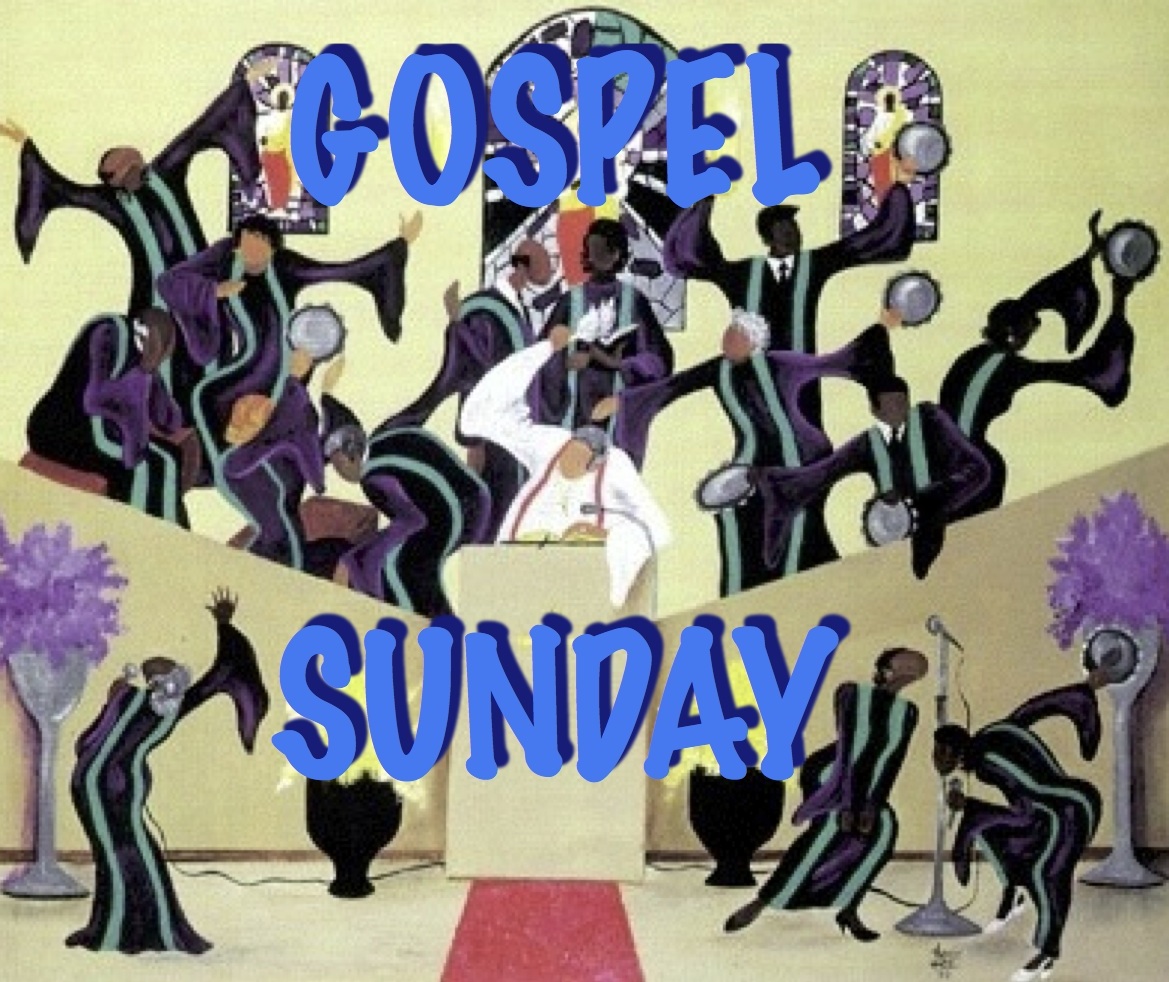
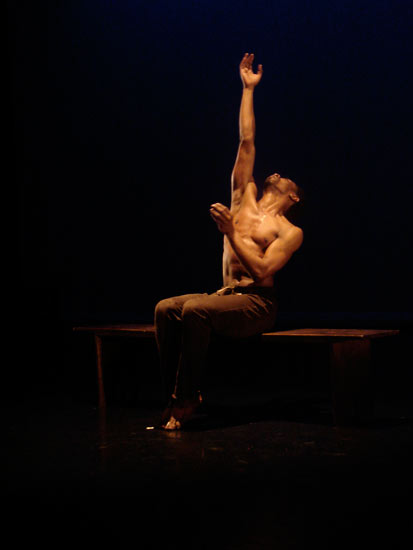 Talley Beatty choreographed and performed Mourner’s Bench in 1947. It represents the anguish and loss for former slaves, now free men, killed during the Reconstruction Era at the beginning of the rise of the Klu Klux Klan. Beatty explained to me, “People were murdered by the Klan and at daybreak their relatives would find their bodies in the fields still covered in the morning dew.”

Donald McKayle’s 1959 masterwork, Rainbow Round My Shoulder, is acclaimed as a modern dance classic. A searing dramatic narrative, it is set on a chain gang in the American south where prisoners work, breaking rock from “can see to can’t see.” Their aspirations for freedom come in the guise of a woman, first as a vision then as a remembered sweetheart, mother, and wife. The songs that accompany their arduous labor are rich in polyphony and tell a bitter, sardonic, and tragic story. It was created for the Donald McKayle Dance Company, and has been in the repertoire of the Alvin Ailey American Dance Theater, Batsheva Dance Company and Dayton Contemporary Dance, among others. The cast in the video excerpt includes Donald McKayle and Mary Hinkson. Continue reading

City of Rain by choreographer Camille A. Brown performed by the Mason Gross School of the Arts at Rutgers University (2015). Continue reading
By Walter Rutledge

Actress, author and burlesque entertainer Gyspy Rose Lee once said, “If a thing is worth doing, it worth doing slowly… very slowly”. Fandango by choreographer Lar Lubovitch embodies Lee’s philosophy and more. Instead of flashy flurries of movement, the sensual duet performed by Danica Paulos and Clifton Brown; and set to Maurice Ravel’s contemporary classic chestnut Bolero, smoldered with a steady and intense heat. Continue reading
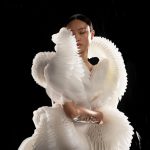 A pioneer in the use of new technologies, Van Herpen transcends conventional clothing norms while embracing both traditional couture artisanship and innovative techniques. Ranging from the micro to the macro, the exhibition explores the body’s place in space, its relationship to clothing and its environment, and its future in a rapidly changing world.
Brooklyn Musiem of Art
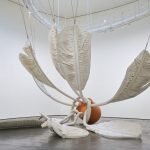 The show will present iconic works from the museum’s collection by more than 20 artists, including John Chamberlain, Chryssa, Jim Dine, Roy Lichtenstein, Lucas Samaras, and Andy Warhol. Highlights will include Maurizio Cattelan’s Comedian (2019) and Claes Oldenburg and Coosje van Bruggen’s Soft Shuttlecock (1995), on view in New York for the first time in 25 years. These works will be shown alongside Yayoi Kusama’s INFINITY MIRRORED ROOM – DANCING LIGHTS THAT FLEW UP TO THE UNIVERSE (2019), a major loan to the exhibition, and recent acquisitions by contemporary artists such as Farah Al Qasimi, Alex Da Corte, Lucia Hierro, Martine Gutierrez, Lauren Halsey, Mohammed Ahmed Ibrahim, Yee I-Lann, Cara Romero, and Liu Shiyuan, whose practices expand the legacies of Pop.
1071 Fifth Avenue New York, NY 10128 (at 88th Street)

The new permanent installation foregrounds the creativity of artists across the subcontinent and enduring, dynamic historical traditions. The Met’s Arts of Africa galleries returned in May 2025, in a reimagined Michael C. Rockefeller Wing. Following a multiyear renovation, the reenvisioned installation reintroduces visitors to the Museum’s collection of sub-Saharan African art through a selection of some 500 works organized to survey major artistic movements and living traditions from across the subcontinent. The new galleries present original creations from the Middle Ages to the present, and one-fourth of the works are on display at the Museum for the first time.
The Met Fifth Avenue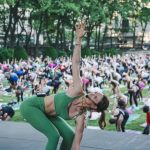 Bryant Park Yoga Everyone’s favorite yoga program returns for summer 2026! From May 27 through September 16, join us for classes Tuesday mornings on the Upper Terrace, and Wednesday evenings on the lawn.
Bryant Park Yoga presented by Halara is free to the public. Bring your mat and water and enjoy one hour of yoga with New York City’s top instructors.
Bryant Park
 A dance and wellness classes design for Older Adults taught by Walter Rutledge
204 W 134th St, New York, NY 10030
A pioneer in the use of new technologies, Van Herpen transcends conventional clothing norms while embracing both traditional couture artisanship and innovative techniques. Ranging from the micro to the macro, the exhibition explores the body’s place in space, its relationship to clothing and its environment, and its future in a rapidly changing world.
Brooklyn Musiem of ArtThe show will present iconic works from the museum’s collection by more than 20 artists, including John Chamberlain, Chryssa, Jim Dine, Roy Lichtenstein, Lucas Samaras, and Andy Warhol. Highlights will include Maurizio Cattelan’s Comedian (2019) and Claes Oldenburg and Coosje van Bruggen’s Soft Shuttlecock (1995), on view in New York for the first time in 25 years. These works will be shown alongside Yayoi Kusama’s INFINITY MIRRORED ROOM – DANCING LIGHTS THAT FLEW UP TO THE UNIVERSE (2019), a major loan to the exhibition, and recent acquisitions by contemporary artists such as Farah Al Qasimi, Alex Da Corte, Lucia Hierro, Martine Gutierrez, Lauren Halsey, Mohammed Ahmed Ibrahim, Yee I-Lann, Cara Romero, and Liu Shiyuan, whose practices expand the legacies of Pop.
1071 Fifth Avenue New York, NY 10128 (at 88th Street)
The new permanent installation foregrounds the creativity of artists across the subcontinent and enduring, dynamic historical traditions. The Met’s Arts of Africa galleries returned in May 2025, in a reimagined Michael C. Rockefeller Wing. Following a multiyear renovation, the reenvisioned installation reintroduces visitors to the Museum’s collection of sub-Saharan African art through a selection of some 500 works organized to survey major artistic movements and living traditions from across the subcontinent. The new galleries present original creations from the Middle Ages to the present, and one-fourth of the works are on display at the Museum for the first time.
The Met Fifth AvenueA pioneer in the use of new technologies, Van Herpen transcends conventional clothing norms while embracing both traditional couture artisanship and innovative techniques. Ranging from the micro to the macro, the exhibition explores the body’s place in space, its relationship to clothing and its environment, and its future in a rapidly changing world.
Brooklyn Musiem of ArtThe show will present iconic works from the museum’s collection by more than 20 artists, including John Chamberlain, Chryssa, Jim Dine, Roy Lichtenstein, Lucas Samaras, and Andy Warhol. Highlights will include Maurizio Cattelan’s Comedian (2019) and Claes Oldenburg and Coosje van Bruggen’s Soft Shuttlecock (1995), on view in New York for the first time in 25 years. These works will be shown alongside Yayoi Kusama’s INFINITY MIRRORED ROOM – DANCING LIGHTS THAT FLEW UP TO THE UNIVERSE (2019), a major loan to the exhibition, and recent acquisitions by contemporary artists such as Farah Al Qasimi, Alex Da Corte, Lucia Hierro, Martine Gutierrez, Lauren Halsey, Mohammed Ahmed Ibrahim, Yee I-Lann, Cara Romero, and Liu Shiyuan, whose practices expand the legacies of Pop.
1071 Fifth Avenue New York, NY 10128 (at 88th Street)
The new permanent installation foregrounds the creativity of artists across the subcontinent and enduring, dynamic historical traditions. The Met’s Arts of Africa galleries returned in May 2025, in a reimagined Michael C. Rockefeller Wing. Following a multiyear renovation, the reenvisioned installation reintroduces visitors to the Museum’s collection of sub-Saharan African art through a selection of some 500 works organized to survey major artistic movements and living traditions from across the subcontinent. The new galleries present original creations from the Middle Ages to the present, and one-fourth of the works are on display at the Museum for the first time.
The Met Fifth AvenueA dance and wellness classes design for Older Adults taught by Walter Rutledge
720 Nereid Ave, Bronx, NY 10466
A pioneer in the use of new technologies, Van Herpen transcends conventional clothing norms while embracing both traditional couture artisanship and innovative techniques. Ranging from the micro to the macro, the exhibition explores the body’s place in space, its relationship to clothing and its environment, and its future in a rapidly changing world.
Brooklyn Musiem of ArtThe show will present iconic works from the museum’s collection by more than 20 artists, including John Chamberlain, Chryssa, Jim Dine, Roy Lichtenstein, Lucas Samaras, and Andy Warhol. Highlights will include Maurizio Cattelan’s Comedian (2019) and Claes Oldenburg and Coosje van Bruggen’s Soft Shuttlecock (1995), on view in New York for the first time in 25 years. These works will be shown alongside Yayoi Kusama’s INFINITY MIRRORED ROOM – DANCING LIGHTS THAT FLEW UP TO THE UNIVERSE (2019), a major loan to the exhibition, and recent acquisitions by contemporary artists such as Farah Al Qasimi, Alex Da Corte, Lucia Hierro, Martine Gutierrez, Lauren Halsey, Mohammed Ahmed Ibrahim, Yee I-Lann, Cara Romero, and Liu Shiyuan, whose practices expand the legacies of Pop.
1071 Fifth Avenue New York, NY 10128 (at 88th Street)
The new permanent installation foregrounds the creativity of artists across the subcontinent and enduring, dynamic historical traditions. The Met’s Arts of Africa galleries returned in May 2025, in a reimagined Michael C. Rockefeller Wing. Following a multiyear renovation, the reenvisioned installation reintroduces visitors to the Museum’s collection of sub-Saharan African art through a selection of some 500 works organized to survey major artistic movements and living traditions from across the subcontinent. The new galleries present original creations from the Middle Ages to the present, and one-fourth of the works are on display at the Museum for the first time.
The Met Fifth AvenueA pioneer in the use of new technologies, Van Herpen transcends conventional clothing norms while embracing both traditional couture artisanship and innovative techniques. Ranging from the micro to the macro, the exhibition explores the body’s place in space, its relationship to clothing and its environment, and its future in a rapidly changing world.
Brooklyn Musiem of ArtThe show will present iconic works from the museum’s collection by more than 20 artists, including John Chamberlain, Chryssa, Jim Dine, Roy Lichtenstein, Lucas Samaras, and Andy Warhol. Highlights will include Maurizio Cattelan’s Comedian (2019) and Claes Oldenburg and Coosje van Bruggen’s Soft Shuttlecock (1995), on view in New York for the first time in 25 years. These works will be shown alongside Yayoi Kusama’s INFINITY MIRRORED ROOM – DANCING LIGHTS THAT FLEW UP TO THE UNIVERSE (2019), a major loan to the exhibition, and recent acquisitions by contemporary artists such as Farah Al Qasimi, Alex Da Corte, Lucia Hierro, Martine Gutierrez, Lauren Halsey, Mohammed Ahmed Ibrahim, Yee I-Lann, Cara Romero, and Liu Shiyuan, whose practices expand the legacies of Pop.
1071 Fifth Avenue New York, NY 10128 (at 88th Street)
The new permanent installation foregrounds the creativity of artists across the subcontinent and enduring, dynamic historical traditions. The Met’s Arts of Africa galleries returned in May 2025, in a reimagined Michael C. Rockefeller Wing. Following a multiyear renovation, the reenvisioned installation reintroduces visitors to the Museum’s collection of sub-Saharan African art through a selection of some 500 works organized to survey major artistic movements and living traditions from across the subcontinent. The new galleries present original creations from the Middle Ages to the present, and one-fourth of the works are on display at the Museum for the first time.
The Met Fifth Avenue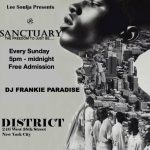 New York hottest place to be for a fun Sunday evening house music party. JD Frankie Paradise will get you moving whether you dip, twist or just strike a pose.
District - 246 west 35th street
A pioneer in the use of new technologies, Van Herpen transcends conventional clothing norms while embracing both traditional couture artisanship and innovative techniques. Ranging from the micro to the macro, the exhibition explores the body’s place in space, its relationship to clothing and its environment, and its future in a rapidly changing world.
Brooklyn Musiem of ArtThe show will present iconic works from the museum’s collection by more than 20 artists, including John Chamberlain, Chryssa, Jim Dine, Roy Lichtenstein, Lucas Samaras, and Andy Warhol. Highlights will include Maurizio Cattelan’s Comedian (2019) and Claes Oldenburg and Coosje van Bruggen’s Soft Shuttlecock (1995), on view in New York for the first time in 25 years. These works will be shown alongside Yayoi Kusama’s INFINITY MIRRORED ROOM – DANCING LIGHTS THAT FLEW UP TO THE UNIVERSE (2019), a major loan to the exhibition, and recent acquisitions by contemporary artists such as Farah Al Qasimi, Alex Da Corte, Lucia Hierro, Martine Gutierrez, Lauren Halsey, Mohammed Ahmed Ibrahim, Yee I-Lann, Cara Romero, and Liu Shiyuan, whose practices expand the legacies of Pop.
1071 Fifth Avenue New York, NY 10128 (at 88th Street)
The new permanent installation foregrounds the creativity of artists across the subcontinent and enduring, dynamic historical traditions. The Met’s Arts of Africa galleries returned in May 2025, in a reimagined Michael C. Rockefeller Wing. Following a multiyear renovation, the reenvisioned installation reintroduces visitors to the Museum’s collection of sub-Saharan African art through a selection of some 500 works organized to survey major artistic movements and living traditions from across the subcontinent. The new galleries present original creations from the Middle Ages to the present, and one-fourth of the works are on display at the Museum for the first time.
The Met Fifth Avenue Welcome to the 33rd season of summer movies in Bryant Park! Bring a blanket and a friend, and grab your spot on the lawn to watch a feature film on the big screen under the stars. The lawn opens at 5pm and films begin at 8pm.
 Bryant Park
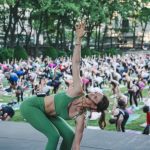 Everyone’s favorite yoga program returns for summer 2026! From May 27 through September 16, join us for classes Tuesday mornings on the Upper Terrace, and Wednesday evenings on the lawn.
Bryant Park Yoga presented by Halara is free to the public. Bring your mat and water and enjoy one hour of yoga with New York City’s top instructors.
Bryant ParkA pioneer in the use of new technologies, Van Herpen transcends conventional clothing norms while embracing both traditional couture artisanship and innovative techniques. Ranging from the micro to the macro, the exhibition explores the body’s place in space, its relationship to clothing and its environment, and its future in a rapidly changing world.
Brooklyn Musiem of ArtThe show will present iconic works from the museum’s collection by more than 20 artists, including John Chamberlain, Chryssa, Jim Dine, Roy Lichtenstein, Lucas Samaras, and Andy Warhol. Highlights will include Maurizio Cattelan’s Comedian (2019) and Claes Oldenburg and Coosje van Bruggen’s Soft Shuttlecock (1995), on view in New York for the first time in 25 years. These works will be shown alongside Yayoi Kusama’s INFINITY MIRRORED ROOM – DANCING LIGHTS THAT FLEW UP TO THE UNIVERSE (2019), a major loan to the exhibition, and recent acquisitions by contemporary artists such as Farah Al Qasimi, Alex Da Corte, Lucia Hierro, Martine Gutierrez, Lauren Halsey, Mohammed Ahmed Ibrahim, Yee I-Lann, Cara Romero, and Liu Shiyuan, whose practices expand the legacies of Pop.
1071 Fifth Avenue New York, NY 10128 (at 88th Street)
The new permanent installation foregrounds the creativity of artists across the subcontinent and enduring, dynamic historical traditions. The Met’s Arts of Africa galleries returned in May 2025, in a reimagined Michael C. Rockefeller Wing. Following a multiyear renovation, the reenvisioned installation reintroduces visitors to the Museum’s collection of sub-Saharan African art through a selection of some 500 works organized to survey major artistic movements and living traditions from across the subcontinent. The new galleries present original creations from the Middle Ages to the present, and one-fourth of the works are on display at the Museum for the first time.
The Met Fifth AvenueA pioneer in the use of new technologies, Van Herpen transcends conventional clothing norms while embracing both traditional couture artisanship and innovative techniques. Ranging from the micro to the macro, the exhibition explores the body’s place in space, its relationship to clothing and its environment, and its future in a rapidly changing world.
Brooklyn Musiem of ArtThe show will present iconic works from the museum’s collection by more than 20 artists, including John Chamberlain, Chryssa, Jim Dine, Roy Lichtenstein, Lucas Samaras, and Andy Warhol. Highlights will include Maurizio Cattelan’s Comedian (2019) and Claes Oldenburg and Coosje van Bruggen’s Soft Shuttlecock (1995), on view in New York for the first time in 25 years. These works will be shown alongside Yayoi Kusama’s INFINITY MIRRORED ROOM – DANCING LIGHTS THAT FLEW UP TO THE UNIVERSE (2019), a major loan to the exhibition, and recent acquisitions by contemporary artists such as Farah Al Qasimi, Alex Da Corte, Lucia Hierro, Martine Gutierrez, Lauren Halsey, Mohammed Ahmed Ibrahim, Yee I-Lann, Cara Romero, and Liu Shiyuan, whose practices expand the legacies of Pop.
1071 Fifth Avenue New York, NY 10128 (at 88th Street)
The new permanent installation foregrounds the creativity of artists across the subcontinent and enduring, dynamic historical traditions. The Met’s Arts of Africa galleries returned in May 2025, in a reimagined Michael C. Rockefeller Wing. Following a multiyear renovation, the reenvisioned installation reintroduces visitors to the Museum’s collection of sub-Saharan African art through a selection of some 500 works organized to survey major artistic movements and living traditions from across the subcontinent. The new galleries present original creations from the Middle Ages to the present, and one-fourth of the works are on display at the Museum for the first time.
The Met Fifth AvenueBryant Park Yoga Everyone’s favorite yoga program returns for summer 2026! From May 27 through September 16, join us for classes Tuesday mornings on the Upper Terrace, and Wednesday evenings on the lawn.
Bryant Park Yoga presented by Halara is free to the public. Bring your mat and water and enjoy one hour of yoga with New York City’s top instructors.
Bryant Park