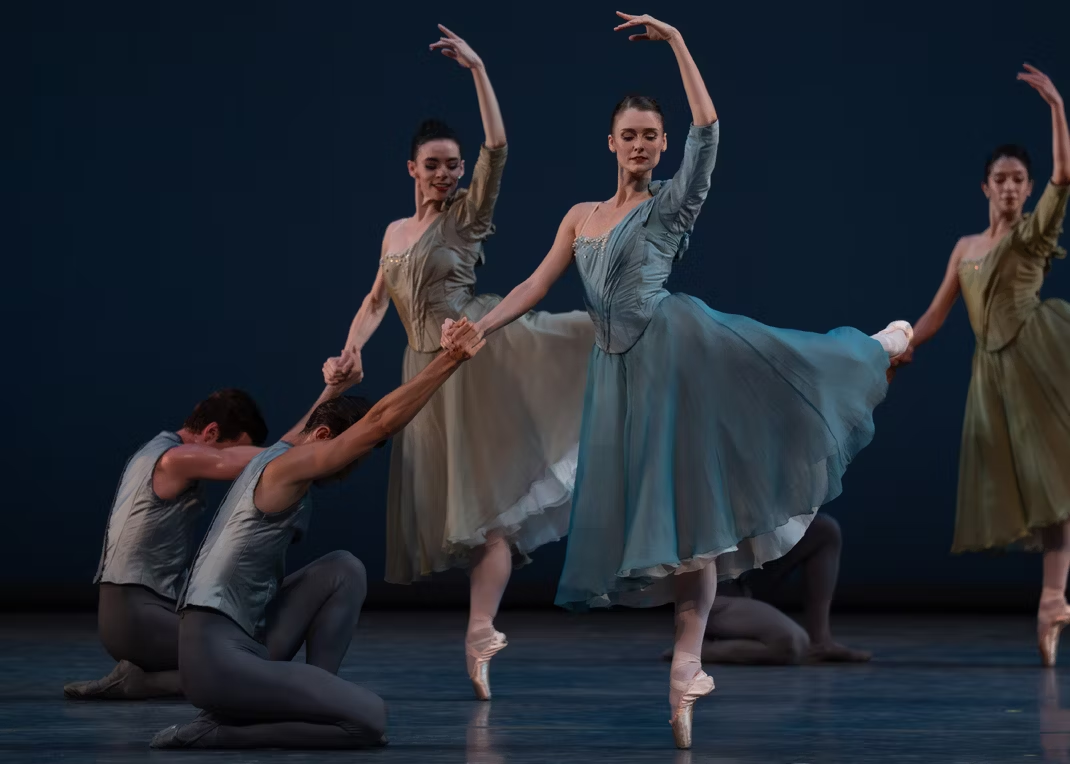
Apollo, one of George Balanchine‘s early masterpieces, filmed in Montreal in 1968 the cast included a very young Suzanne Farrell, Peter Martins, Marnee Morris, and Karin Von Aroldingen. Continue reading

Apollo, one of George Balanchine‘s early masterpieces, filmed in Montreal in 1968 the cast included a very young Suzanne Farrell, Peter Martins, Marnee Morris, and Karin Von Aroldingen. Continue reading

The weekend is finally here and New York is gearing up rain or shine. We have music and fashion in Harlem, dance from Lincoln Center to Williamsburg; while the Avengers take it to the limit one more time. Here are a few of the many events happening in the city that never sleeps, guaranteed to keep you Out and About.

Fosse– A 2001 Broadway tribute to the work of Bob Fosse and dedicated to Gwen Verdon. Including appearances by Ann Reinking and Ben Vereen. Continue reading

Happy Easter and Passover New Yorkers will be out and about in their Easter bonnets! This week we have dance at Lincoln Center and R&B legends are at the legendary Apollo. Orchids are in bloom in The Bronx and a Creole Food Festival in lower Manhattan. Here are a few of the many events happening in the city that never sleeps, guaranteed to keep you Out and About.


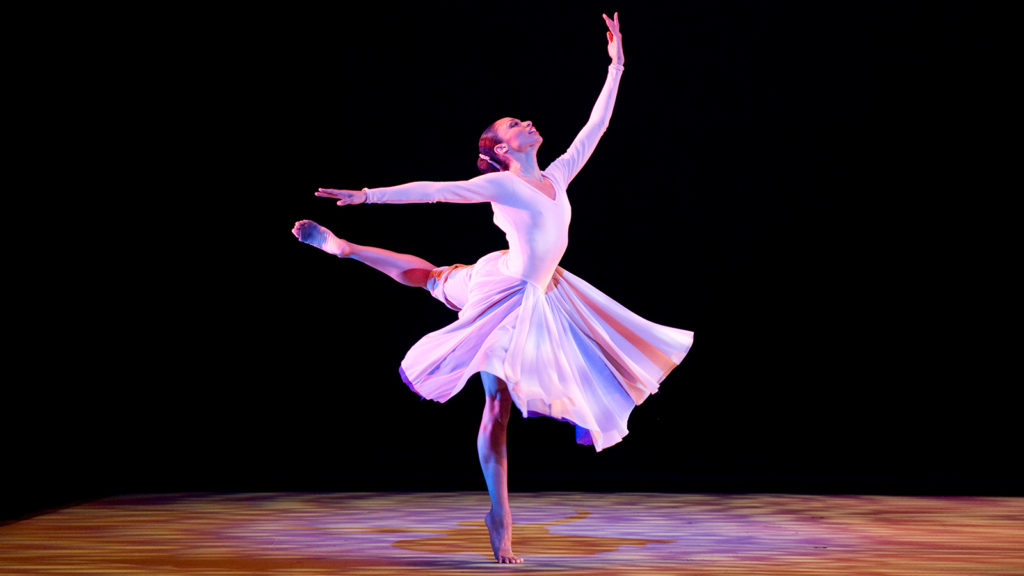
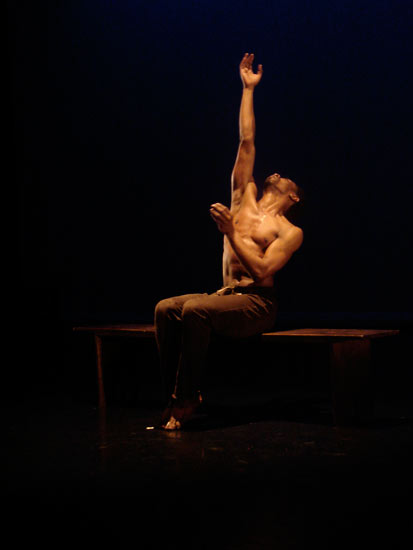
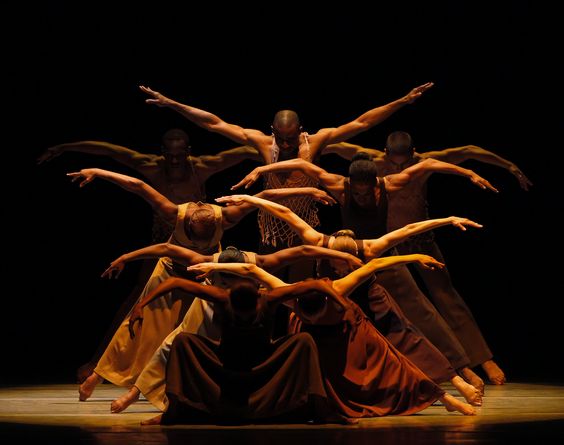
Alvin Ailey’s Revelations uses African-American spirituals, song-sermons, gospel songs and holy blues, Alvin Ailey’s Revelations fervently explores the places of deepest grief and holiest joy in the soul. More than just a popular dance work, it has become a cultural treasure, beloved by generations of fans. Continue reading
By Walter Rutledge

NewSteps: a choreographers series presented their 25th year of offering new and emerging dancemakers an opportunity to develop dances through the creative process. The bi-annual choreographic showcase offers five to six artists a small stipend, rehearsal space, mentoring and constructive feedback. The process culminates with three performances open to the public. Each choreographer is given a maximum of ten minutes of presentation time. This season NewSteps featured emerging choreographers Mat Elder, Annie Heath, Erin Byrce Holmes, Tanner Ryan, and Spencer Weidie. Continue reading
Its beginning to feel a lot like springtime, and New Yorkers are out and about! And this week we have a new film about the Queen of Soul and a Fosse muse on Broadway. America’s mother of modern dance turns 93 in Chelsea and Arthur Mitchell’s dream turns 50. Here are a few of the many events happening in the city that never sleeps, guaranteed to keep you Out and About. Continue reading
By Walter Rutledge

The Batsheva Dance Company presented the New York premiere of Venezuela by house choreographer Ohad Naharin on March 27 through March 30 at the Brooklyn Academy of Music Howard Gillman Opera House. The program notes described the work as, “exploring the dialogue and conflict between movement and the content it represents”. As the work began the most compelling observation became that Venezuela is an experiment in perception.
The curtain rose without the usual dramatic fanfare of dimming the lights to darkness. This action caught the audience off guard silencing them with a heightened sense of curiosity. Eight dancers were standing downstage center and began a slow migration to center stage as the house lights slowly dimmed. The soft and soothing music for the entire first act of Maxim Waratt soundtrack consisted of a series Gregorian chants; and the combination of music and the upstage movement progression created an aura of mystery.
Naharin immediately establishes the work’s most notable elements; that of slow, sustained and repetitive movement phrases. Employing these choreographic devises allows the audience to absorb the movement and intent, and to remember and eventually recall the stunning visual imagery. A factor that will become important for interpreting the second act of Venezuela.

The upstage progression is interrupted by a solo female dancer extending an arm. The gesture, with an upwardly extended arm, flexed wrist and stylized fingers, conjured Latin social dancing. A male dance extends his arm in a lower second position as if in response to the initial gesture. Soon all the dancers are engaged in a Naharin style Latin ballroom dance. The choreography seemed to work in an odd sort of tandem with the music, but it clearly established a dynamic counterpoint.
Good choreography goes beyond the steps and music, it establishes its own timing to create a visual music. Throughout the first act Naharin capitalized on this fact delivering cohesive sections of both visual and audio contrast. This was most evident in the section where the dancers rapped the lyrics from Dead Wrong, a rap song by Biggie Smalls aka the Notorious B.I.G. featuring additional rap lyrics from Eminem. Set against the Gregorian chant the effect was almost as shocking as finding a lifted toilet bowl seat in a nunnery.

As the lights rose again on the second act the dancers again moved to center stage restarting the work from the beginning. The chant had been replaced by an eclectic score that kept the “Latin section” exciting- just more traditional. The same happened with the Biggie Small section with the rap set back to the original Al Green baseline sample; just as edgy but more contextually conventional.

Naharin masterfully variated and developed themes with nuanced discipline; which allowed changes in the environment (music, lighting, props and cast) to alter the visual perception of the choreography. In one such moment the dancers entered with rectangular shaped fabric. In the first section oatmeal colored rectangles slapped the floor as a solo dancer, crawled prostrate on the floor, seemingly tried to avoid the blows. The imagery creating a sense of penance. In the second rendition the rectangles were painted to represent national flags including the Palestinian, Brazilian and the Black Power (USA) flag. This time the “fabric flogging” took on social and politic overtones.

In another section five men walked on all fours with a woman straddling their backs. The long-sustained section created a mood of female dominance. In contrast, the imagery in the second act rendering set to Middle eastern inspired music transformed the section into a caravan.

The use of repetitive and sustained movement allowed the audience to retain the shapes and phrases. This made the second rendition an experiment in visual perception, instead of just a movement addendum. The strong musicality, which was so independent and prominent in the first act, was perfectly married to the music the proceeding act; leading us to surmise that Naharin probably choreographed the second rendering first.
A yell from company member Bobby Jene Smith signals the end of both acts. Maybe it was a metaphor, not signaling the end but announcing a new beginning. Ohad Naharin’s Venezuela makes a powerful artistic statement allowing us to see his world from two points of view. Both valid and both compelling.
By Walter Rutledge

The Martha Graham Dance Company will begin their New York City season April 2 through April 14 at the Joyce Theater. Continue reading

It’s the first weekend of spring and time its time to get out and about! We have Warhol in Meatpacking and Jean- Michel Basquiat in the East Village. Dance from Williamsburg in Brooklyn to Westchester Ave. in Da Bronx. And The Grateful Dead share with kids while the Temptations are honored on Broadway. Here are a few of the many events happening in the city that never sleeps, guaranteed to keep you Out and About. Continue reading