Controversial religious leader Bishop Eddie Long has died at age 63. Rumors that the pastor and founder New Birth Missionary Baptist Church had passed began circulate and were confirmed through an instagram post on Long’s account.
“My heart is heavy, but God is in control. See you in the rapture Bishop Eddie Long. It was my honor to serve New Birth for 12 years,” tweets Byron Cage. Cage is the former minister of music at New Birth Missionary Baptist Church founded and led by Long.
On New Birth’s website, Long is described as: Bishop Eddie L. Long is known worldwide as a pioneering leader, revolutionary mind changer, a family man, and a caring and loving pastor. As a pioneering leader, Bishop Long is highly regarded for his vision, boldness, and unapologetic courage to walk in the supernatural. As a pastor, he is well respected and loved for his passion to bring souls into the body of Christ and join them to a local church body, and for preaching and teaching messages that change mindsets and encourage hearts. At home, he is a doting husband to his beautiful wife, First Lady Vanessa Long and loving father to his 4 children and 3 grandchildren. At New Birth, Bishop Long is most loved for being the ‘father of many’ – a pastor who loves God, God’s people, and who speaks life and declares, You shall NOT die but live to proclaim the goodness of the Lord!
Kevin Bond, another former minister of music at New Birth, writes on Facebook: “My sincere prayers go out to the Family of Bishop Eddie Long & the entire New Birth Church Family in the passing of Bishop Eddie Long. RIP”
In October 2016, Long told his congregation during a service earlier this month that God had healed him. “I’ve been on a journey and just recalibrating myself.”
The ‘recalibrating’ is likely in part the raw food diet that he adopted. An emaciated Long professed in a video that shocked the world in August 2016. He shared in the video posted on Facebook: “I’m on the medicine that God gave you to feed your immune system to build you up,” he says in the clip. “You know what, if you really want to move through this world and have influence, you gotta be spiritual and you have to walk by his commandments and you have to be healthy.”
Once again a Bible Bigot, this time Kim Burrell, has misused scripture to preach hate and exclusion. The article below originally appeared in Harlem World Magazine in the summer of 2010 shortly after the Deitrick Haddon/Tonex twitter scandal broke. For years the gospel industry had made subtle references and caddy “humorous” comments about Tonex’s flamboyant gospel stage show. But there was nothing subtle about their reaction when Tonex decided to live in his own truth.Continue reading
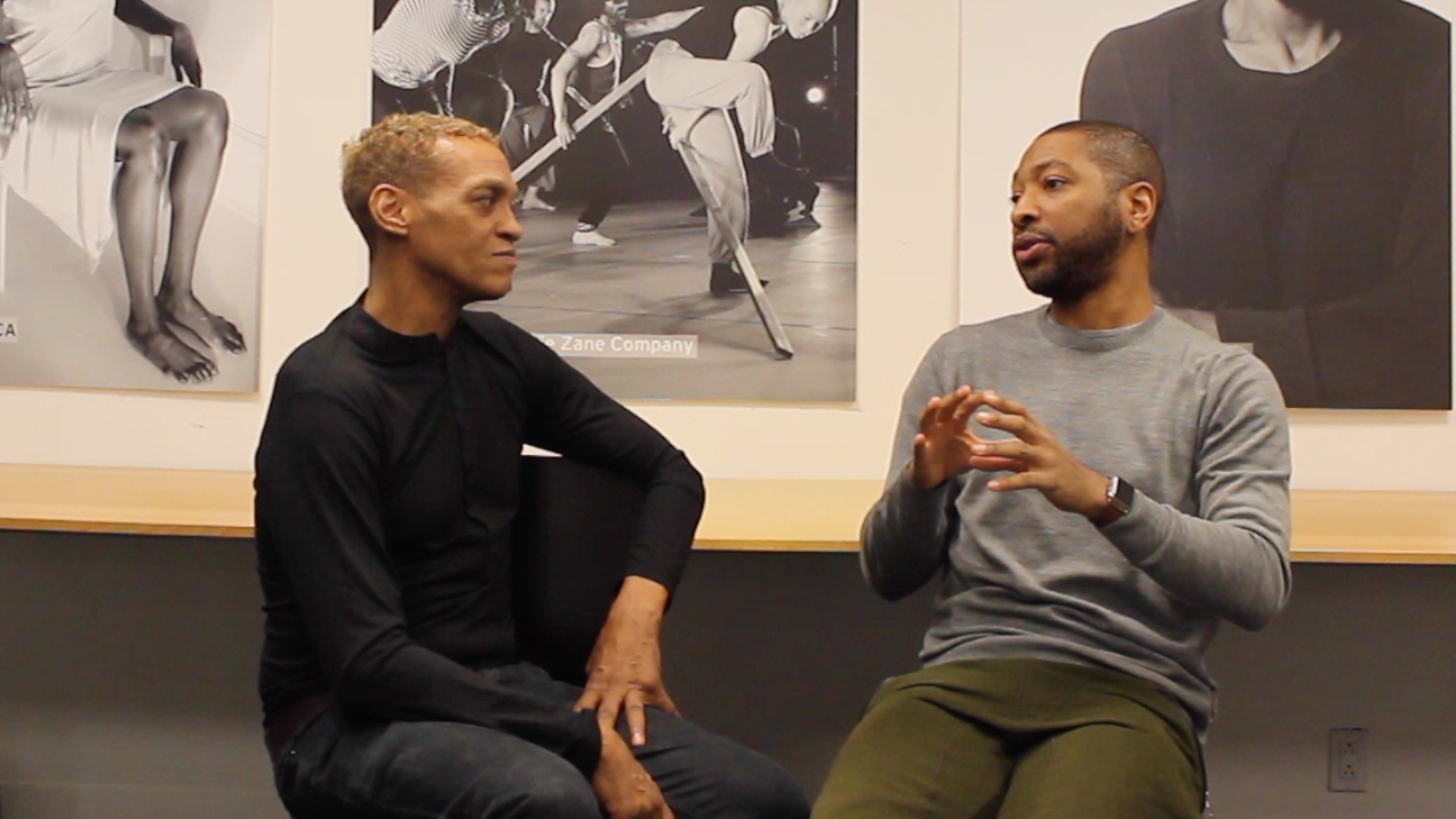
Untitled America, Kyle Abraham’s latest work for the Alvin Ailey American Dance Theater, brings to light the revolving door of the U.S. penal system. The work had its official premiered on December 7th during the Ailey’s New York City Center Season November 30 through December 31. Recently O&A NYC had an opportunity to sit down with this talented artist to discuss the work, his choreographic process and philosophy.Continue reading
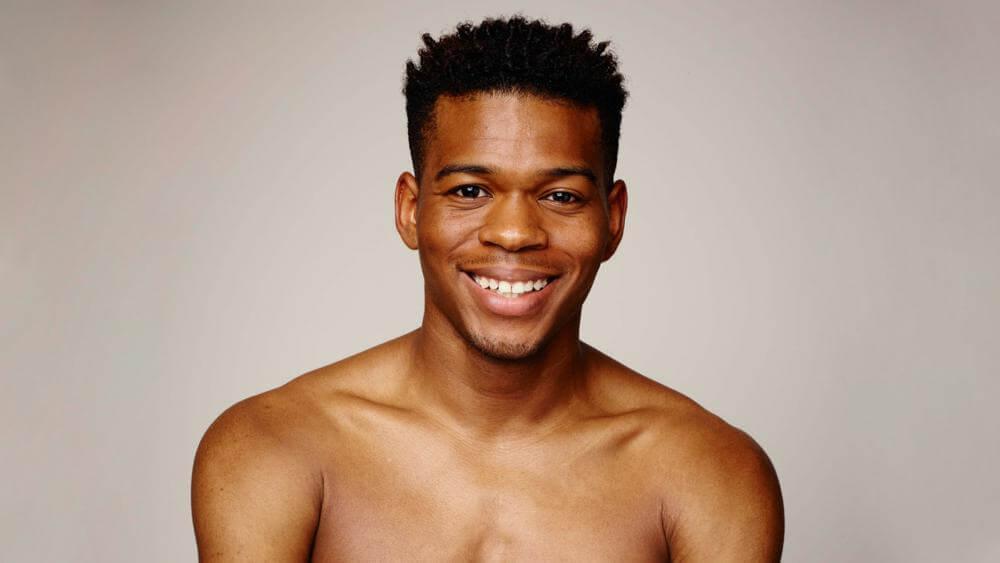
Solomon Dumas is living his dream. As one of the newest members of the Alvin Ailey American Dance Theater (AAADT), Dumas is making his New York City Center debut during the 2016 Ailey season November 30 through December 31. Dumas was bitten by the dance bug at age 12 after attending AileyCamp Chicago.Continue reading
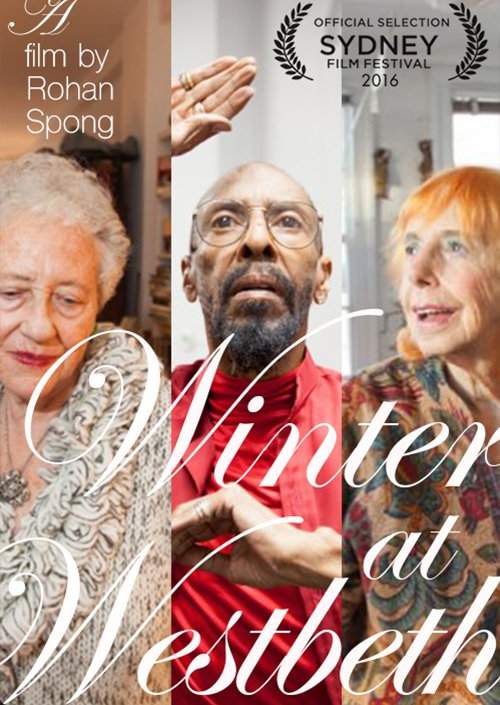
Winter At Westbeth, a documentary film by Australian filmmaker Rohan Spong, follows the lives of three seasoned artists living in New York City’s Westbeth Artists Housing. The film makes its international premiere at theIFC Center, 323 Avenue of the Americas, as part of DOC NYC; New York’s annual festival of documentary films.
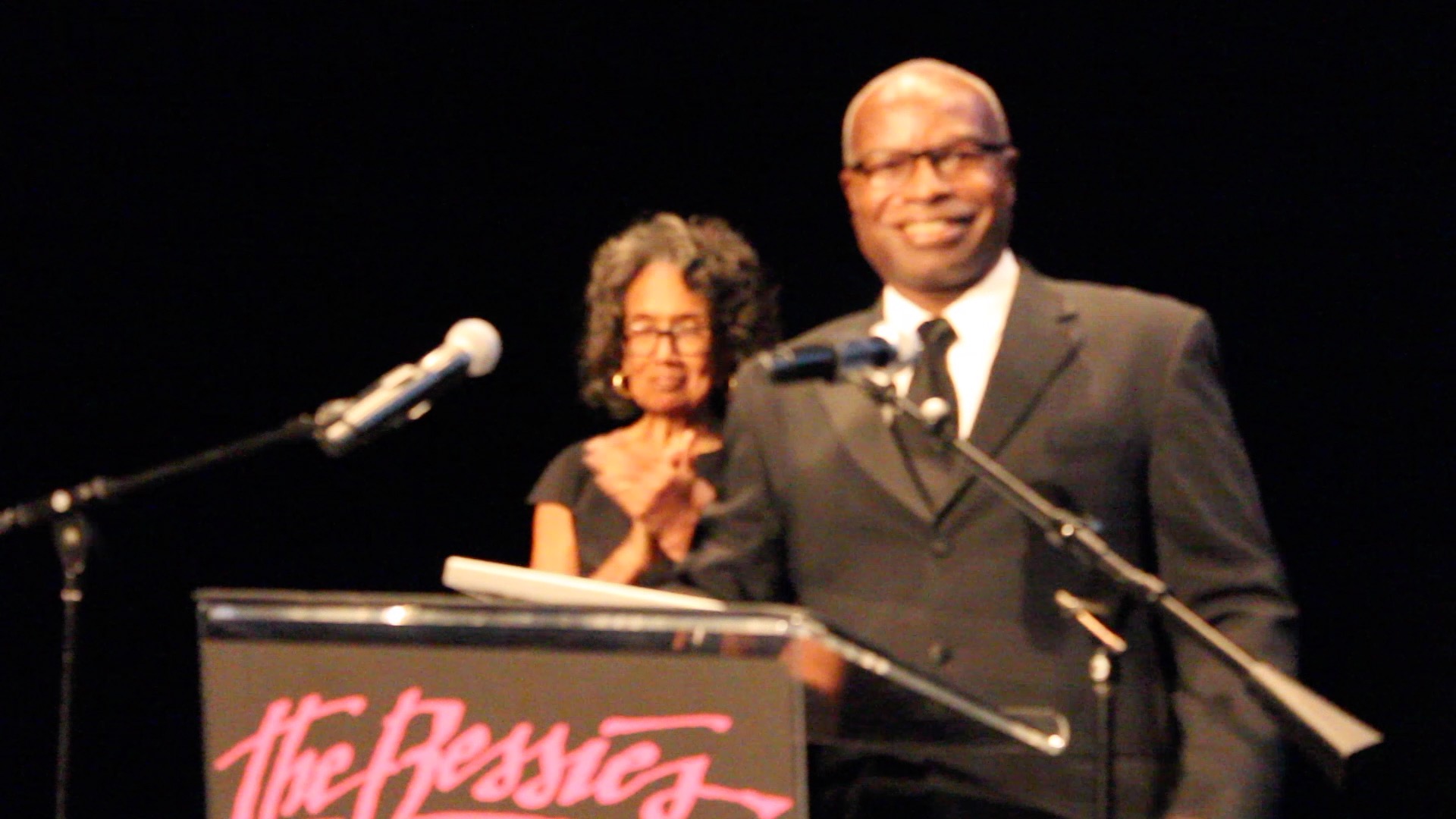
In life there are no detours, it is always the course appointed. Despite all of our plans and dreams we can count on the universe to add some unexpected twists and turns. Thelma Hill Preforming Arts Center’s Executive Chairman Alex Smith Jr. knows this all to well. In 1995 Smith become the guiding force of the organization by proxy, now twenty-one years later he was honored with a Service to the Field Award at the 29th New York Dance and Performance Awards- The Bessies.Continue reading
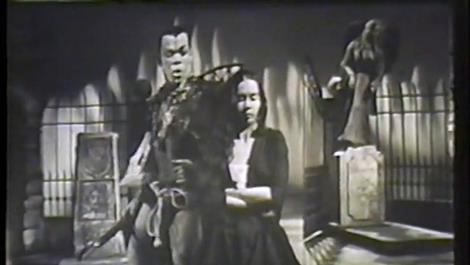
Geoffrey Holder’s Banda dance debuted in the 1954 Truman Capote/Harold Arlen musical House Of Flowers. Holder the Baron of The Cemetery (based on the Haitian Loa of Death Baron Samedi) and received both a performer and choreographer credit in the program. The Broadway musical takes place somewhere in the West Indies during Mardi Gras weekend.Continue reading
Hearts Of Men, the multi-generational dance workshop, held their summer intensive August 29th through September 11th, 2016 on the campus of Montclair State University. The two-week workshop provides dance classes, and performance opportunities to male dancers ages 14 and older. This session 12 choreographers set works on over seventy-five dancers of varied technical levels. The choreographers included Germaul Barnes, Julian Barnett, Brian Harian Brooks, Clifton Brown, Christian von Howard, Nathaniel Hunt, Roderick Jackson, Amy Jordan, Edwin Rodriguez, Artie Smith, Hearts Of Men founder Earl Mosley, and yours truly Walter Rutledge.
Although the workshop culminates with a choreographic showcase it is not about the dance makers. The performance is another learning tool designed to allow the dancers (neophyte to professional) to test and/or hone their craft. Ten young men ranging in age from 15 to 23 were assigned to work on my choreography.
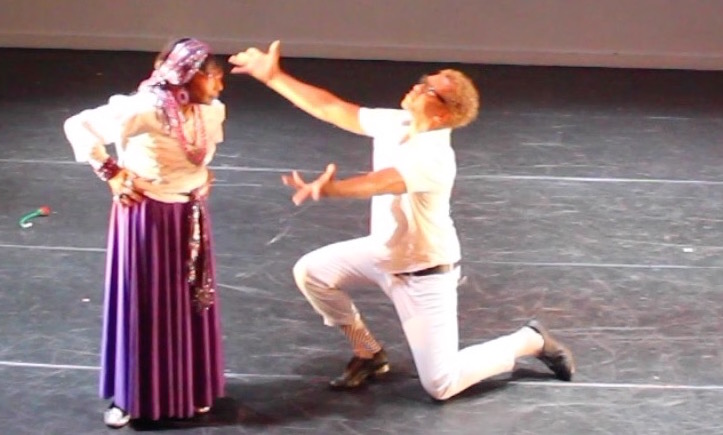
This was my third time working with Hearts Of Men. Loretta Abbott and I performed a comedic duet entitled Sentimental Reasons in the 2015 summer session; and reprised the work for the January session (Shirley Black Brown graciously stepped in when Loretta was taken ill). But the 2016 summer season is the first time I worked directly with the dancers in the program.
Early in my choreographic career Bessie Schonberg advised me, “Don’t give them what you want. Give them what they need.” With that always in mind creating a dance theatre work- a dance narrative became our task for this session.
In recent years the dance narrative genre has fallen out of fashion for many reasons. Story ballets are expensive to mount requiring elaborate sets, ornate costumes, and a large corps de ballet. These dances require the choreographer be both dance maker and director, proficient in creating thematic material and character development. In addition performers must understand the power of nuance and acquire a discerning eye for detail that reaches beyond an extension or technical feat.
Many mature performers and balletomanes often remark about the technical virtuosity and impressive physicality of today’s performers. Unfortunately the kinesthetic onslaught often leaves these audience members exhausted for the performers. More awed by the near aerobic pace they often remarking, “How do they remember all those steps.” Before joyously reminiscing about Jose Limon curling three fingers and personally touching them as they sat in the back of the fourth balcony.
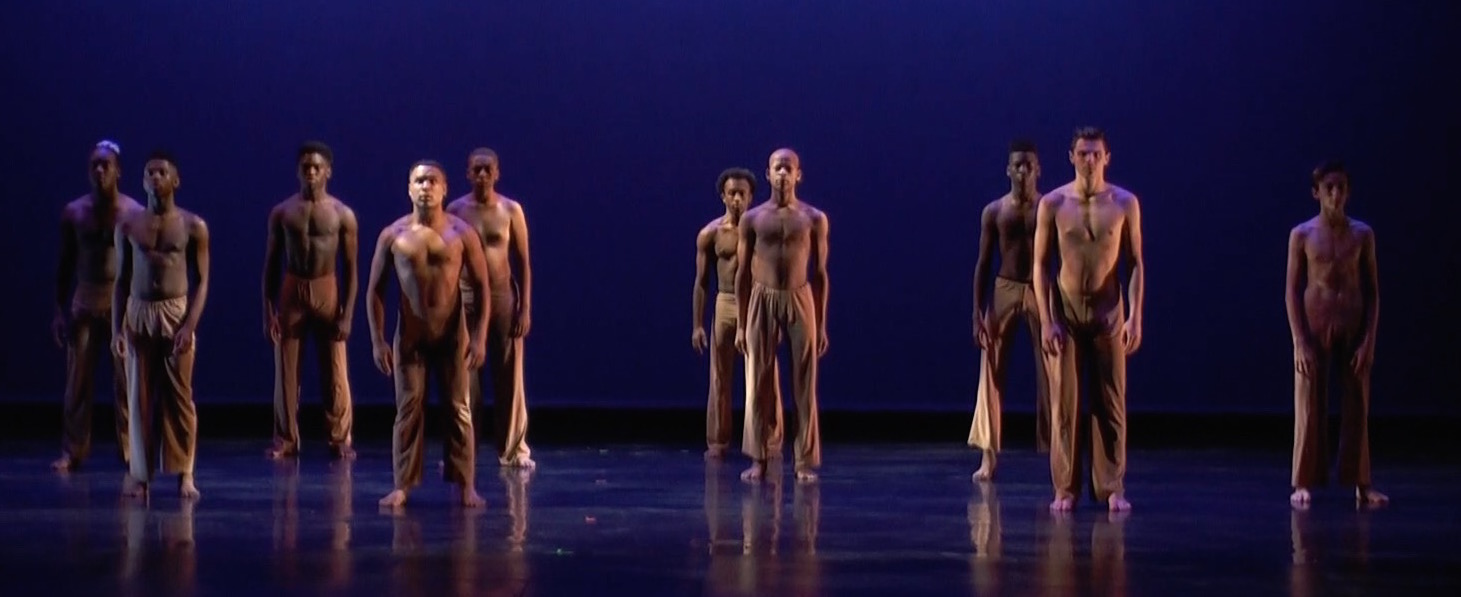
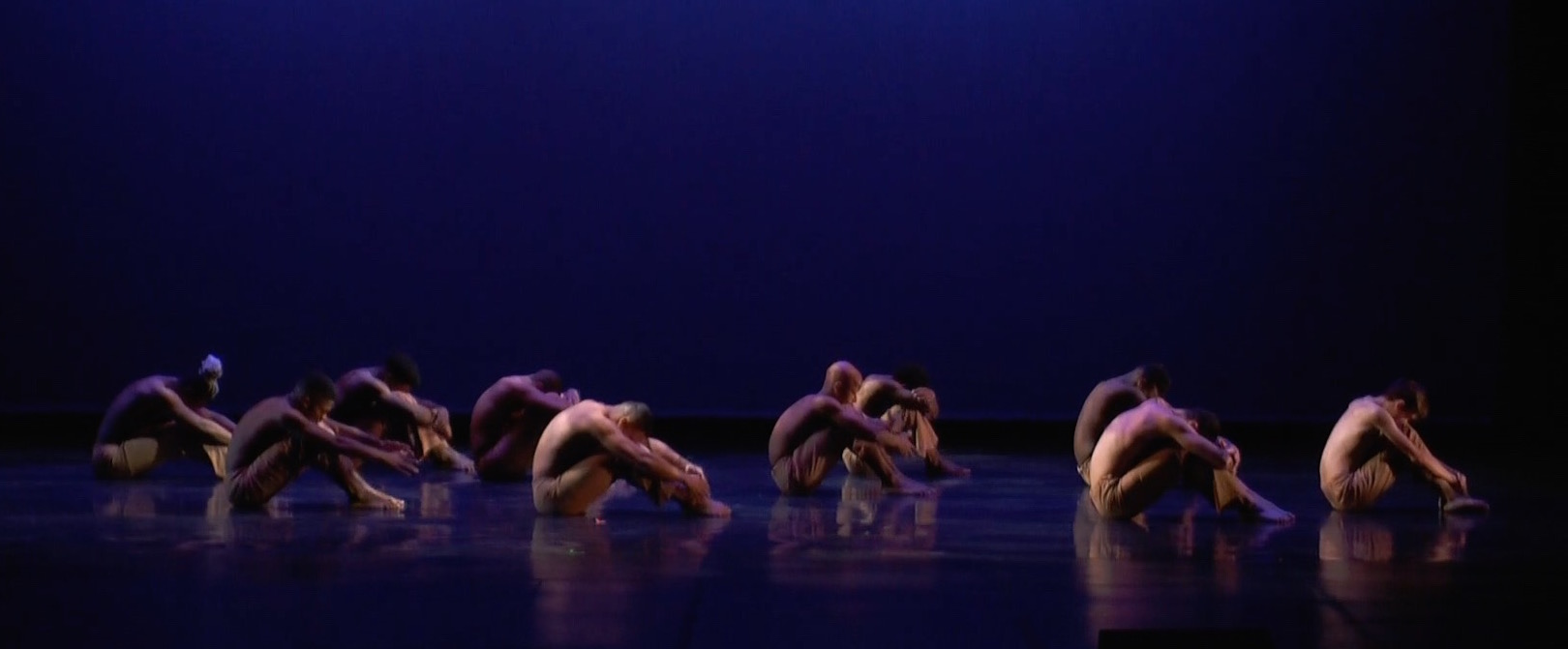
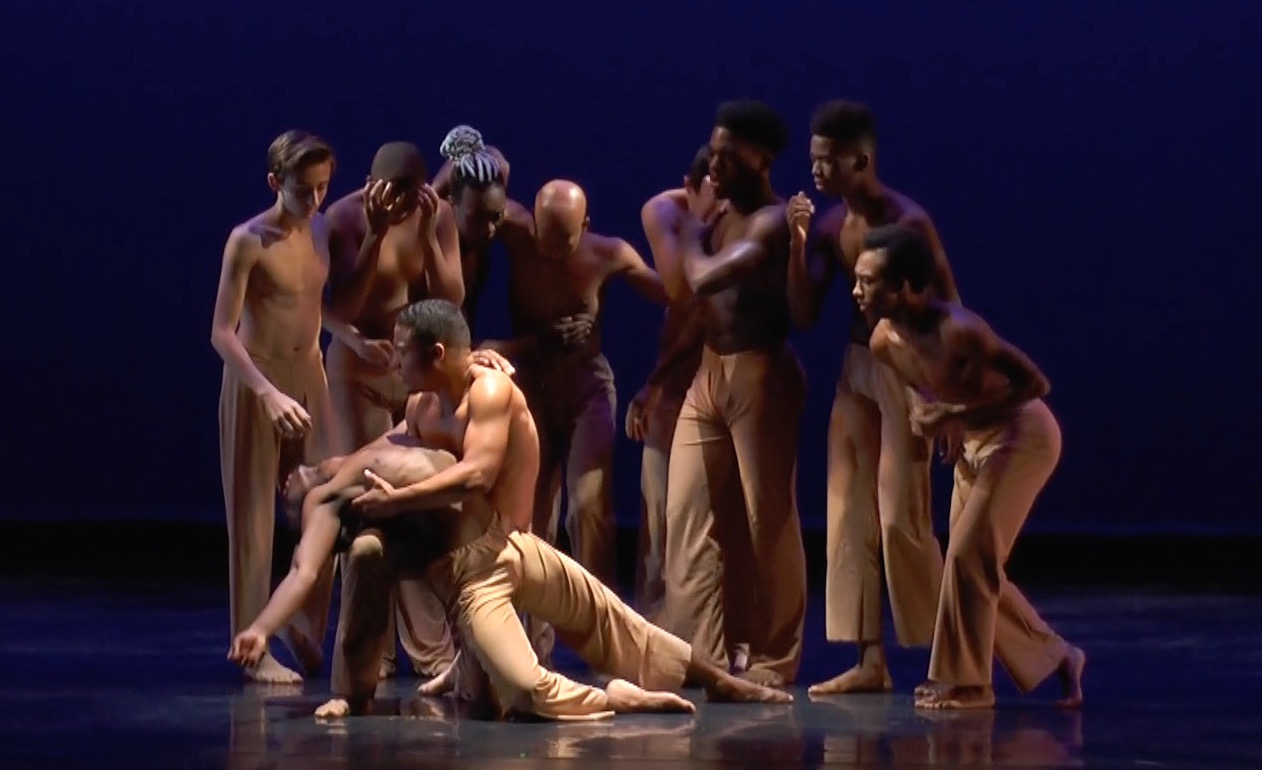
Motherless Child tells the story of young enslaved men who long for the love and affection taken from them. A realization quickly set in that the enslaved Africans were the same age as my cast of young dancers. Looking into their faces (each filled with a lifetime of possibilities) I saw our ancestors whose possibilities had been stolen.
Channeling one of my mentors Nikita Talin (who would often quoted Nijinsky, “Act first, then dance”) our task was two-fold to convey sadness and loss and to extract that same emotion from the audience. Moving people to tears requires the use of universal themes and visual images given to the audience in stages, thereby lulling them into an emotional release. When executed successfully the visceral yet humanistic nature of the images and the scenario transcend language and culture.
Since the work was going to be performed bare-chested we worked without shirts from the first rehearsal. This made them cognizant of the plastique (sculptural elements) of the movement from the beginning. We set the work in Horton Technique, but also emphasized the importance of stillness and the power of just walking in character. “Your back talks”, was a common reminder as the dancers perfected movement executed facing upstage.
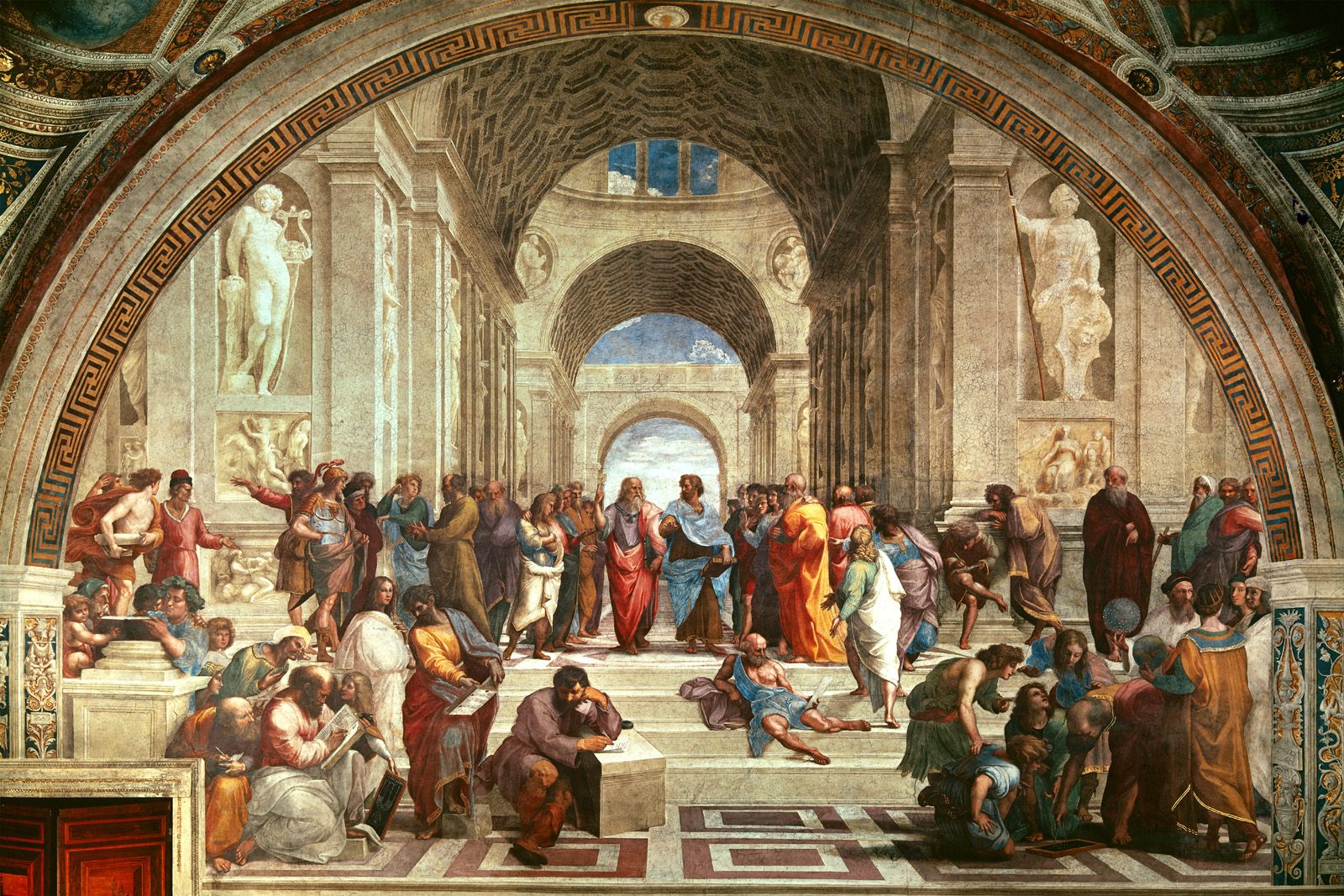
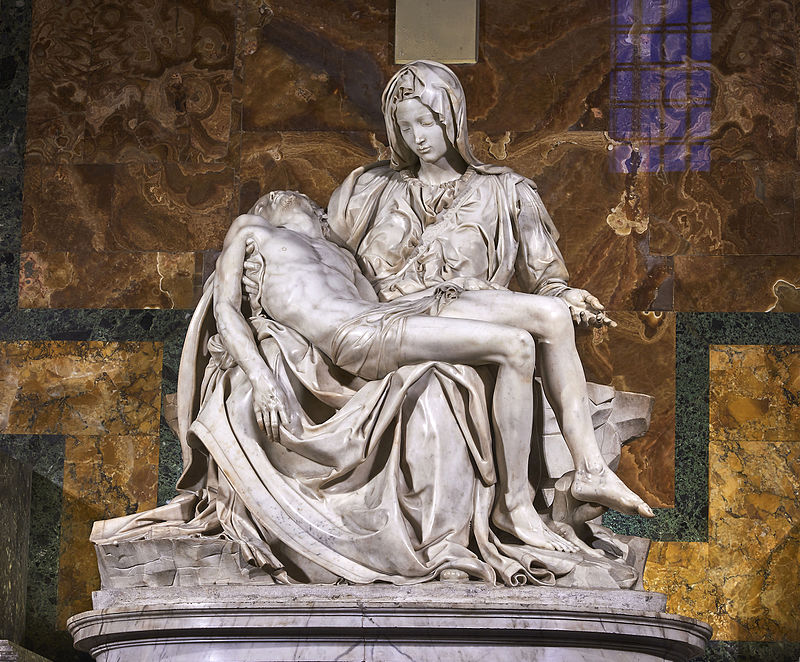
To reinforce the individual and personal nature of character development images from Renaissance art were introduced. For the group dynamic Raphael’s School Of Athens demonstrated the concept of individuality contributing to the total compositional structure, while Michelangelo’s Pieta helped create the fragile imagery in the death scene. The art also allowed us to discuss the visual focal point and how the choreographer directs the audience to follow the action.
The most important word became intent- simply why. Why are you moving? Why are you reacting? By defining the intent we produced Euclidean economy and focus, streamlining both movement and message.
By our last rehearsal it was time to let the choreography go. In other words the work no longer artistically belong to me exclusively. Through their diligence and hard work the dancers had earned artistic ownership, and I had to step back and trust them.
The performances took place on September 10th and 11th in Montclair State University’s Memorial Auditorium. Fourteen short predominately ensemble works ranging from upbeat pure movement works to abstract narrative to dance theatre were presented to an enthusiastic audience of family and friends. I usually don’t sit in the audience when my work is performed, but this time I needed to feel the energy.
Motherless Child
The music started in the darkness, slowly light began to illuminate the dancers. From the first steps to the final fade to black the dancers moved with intent and commitment, touching the audience and accomplishing their task. Finally during the informal part of the bow you could see and feel their joy- it was both gratifying and humbling.
If the classroom is where you develop your craft, then the stage is where you perfect it. Hearts Of Men continues the time-honored tradition of training, performing and mentorship. To learn more about Hearts Of Men and the other year round programs and services offered by the Earl Mosley Institute For The Arts visit emiadance.org.
In Photo: 1) cast 2) Loretta Abbott and Walter Rutledge 3) cast 4) School Of Athens 5) Pieta 6) cast
Photographs by: 1,3,6 Miskos Production- Milan Misko videographer 2) Howard Hemp 4) Raphael 5) Michelangelo
Video by: Miskos Production- Milan Misko videographer
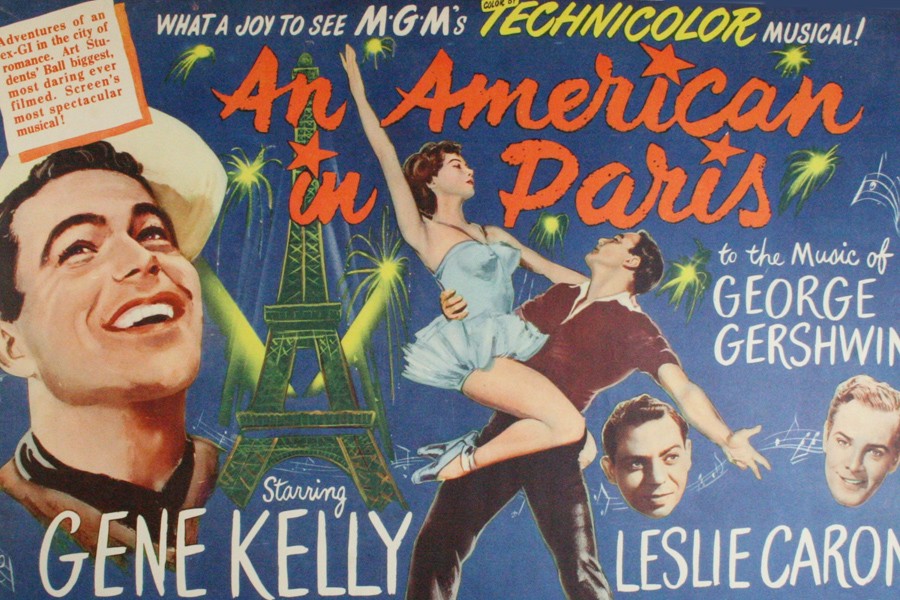
An American in Paris is a 1951 musical film inspired by the 1928 orchestral composition An American in Paris by George Gershwin. Starring Gene Kelly, Leslie Caron, Oscar Levant, Georges Guétary, and Nina Foch, the film is set in Paris, and was directed by Vincente Minnelli from a script by Alan Jay Lerner. The music is by George Gershwin, with lyrics by his brother Ira, with additional music by Saul Chaplin, the music director.Continue reading
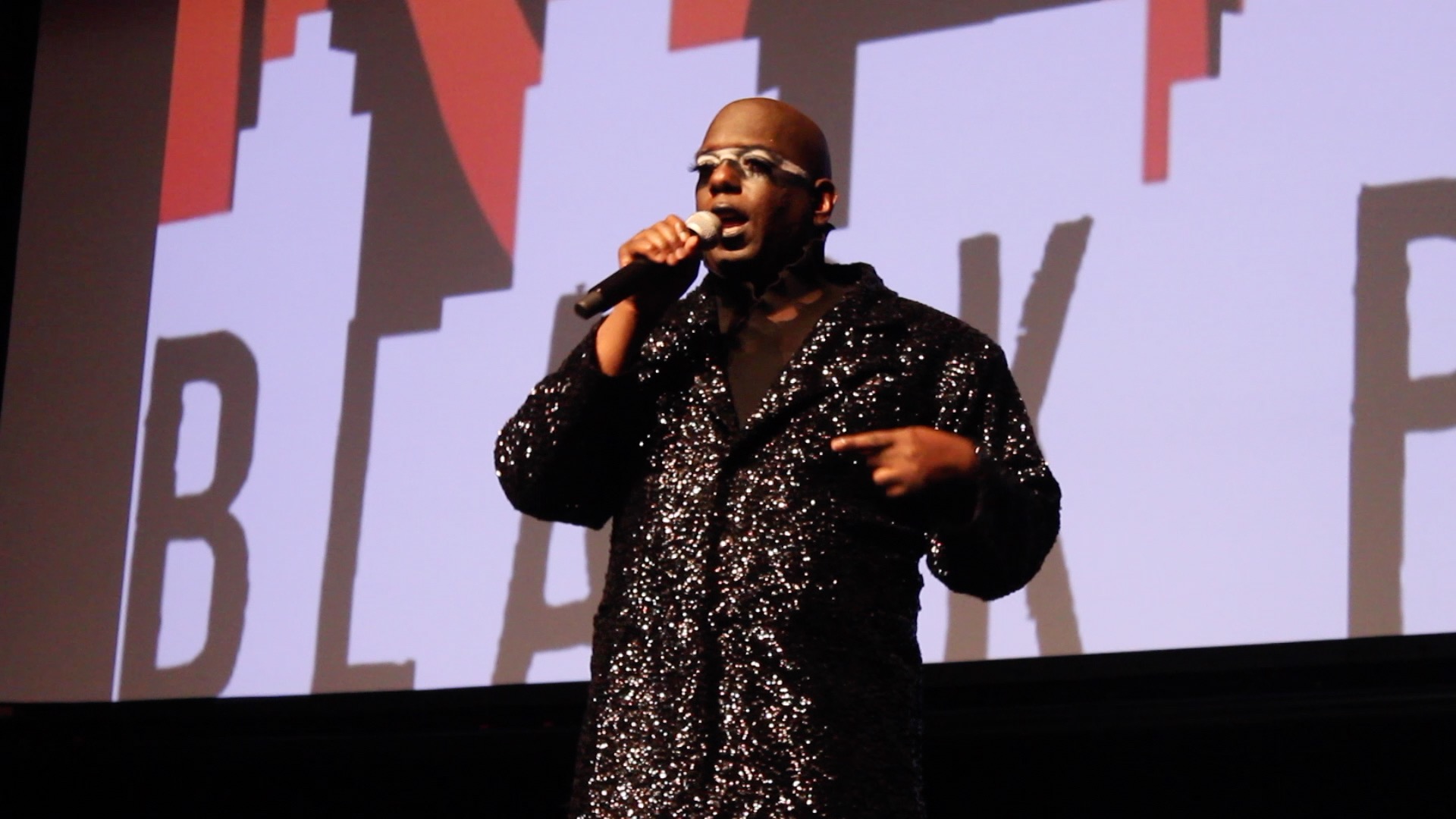
NYC Black Pride 2016 held it’s 8th Heritage Awards Ceremony on Friday, August 19 at the Schomburg Center for Research in Black Culture, 515 Lenox Avenue West 135th Street in Harlem. The evening presented twenty-six awards to over thirty individuals and organizations who have had a positive intact on the LGBTQ community. The evening began with a reception in the lobby catered by Chef Dhalmu Robinson, before ushering guests into the ceremony. Continue reading
1Flower Power from 10:00 am to 8:00 pm Bryant Park Yoga from 10:00 am to 11:00 am Iris van Herpen: Sculpting the Senses from 10:00 am to 8:00 pm Guggenheim Pop: 1960 to Now from 10:00 am to 8:00 pm The Met’s Arts of Africa from 10:00 am to 8:00 pm
2Flower Power from 10:00 am to 8:00 pm Iris van Herpen: Sculpting the Senses from 10:00 am to 8:00 pm Guggenheim Pop: 1960 to Now from 10:00 am to 8:00 pm The Met’s Arts of Africa from 10:00 am to 8:00 pm Nike Air Force 1 x Terror Squad Pop Up Shop With UP NYC from 1:00 pm to 7:00 pm Bryant Park Yoga from 6:00 pm to 7:00 pm
3Dance of The Village Elders at St. Phillips Church from 2:30 am to 3:30 am Flower Power from 10:00 am to 8:00 pm Iris van Herpen: Sculpting the Senses from 10:00 am to 8:00 pm Guggenheim Pop: 1960 to Now from 10:00 am to 8:00 pm The Met’s Arts of Africa from 10:00 am to 8:00 pm Nike Air Force 1 x Terror Squad Pop Up Shop With UP NYC from 1:00 pm to 7:00 pm
4Flower Power from 10:00 am to 8:00 pm Iris van Herpen: Sculpting the Senses from 10:00 am to 8:00 pm Guggenheim Pop: 1960 to Now from 10:00 am to 8:00 pm The Met’s Arts of Africa from 10:00 am to 8:00 pm Dance of the Village Elders - R.A.I.N. Neried from 10:30 am to 11:30 am Nike Air Force 1 x Terror Squad Pop Up Shop With UP NYC from 1:00 pm to 7:00 pm
5Flower Power from 10:00 am to 8:00 pm Iris van Herpen: Sculpting the Senses from 10:00 am to 8:00 pm Guggenheim Pop: 1960 to Now from 10:00 am to 8:00 pm The Met’s Arts of Africa from 10:00 am to 8:00 pm
6Flower Power from 10:00 am to 8:00 pm Iris van Herpen: Sculpting the Senses from 10:00 am to 8:00 pm Guggenheim Pop: 1960 to Now from 10:00 am to 8:00 pm The Met’s Arts of Africa from 10:00 am to 8:00 pm Sanctuary from 5:00 pm to 12:00 am
7Flower Power from 10:00 am to 8:00 pm Iris van Herpen: Sculpting the Senses from 10:00 am to 8:00 pm Guggenheim Pop: 1960 to Now from 10:00 am to 8:00 pm The Met’s Arts of Africa from 10:00 am to 8:00 pm Paramount Movie Nights at Bryant Park from 8:00 pm to 10:00 pm
8Flower Power from 10:00 am to 8:00 pm Bryant Park Yoga from 10:00 am to 11:00 am Iris van Herpen: Sculpting the Senses from 10:00 am to 8:00 pm Guggenheim Pop: 1960 to Now from 10:00 am to 8:00 pm The Met’s Arts of Africa from 10:00 am to 8:00 pm
9Flower Power from 10:00 am to 8:00 pm Iris van Herpen: Sculpting the Senses from 10:00 am to 8:00 pm Guggenheim Pop: 1960 to Now from 10:00 am to 8:00 pm The Met’s Arts of Africa from 10:00 am to 8:00 pm Bryant Park Yoga from 6:00 pm to 7:00 pm
10Dance of The Village Elders at St. Phillips Church from 2:30 am to 3:30 am Flower Power from 10:00 am to 8:00 pm Iris van Herpen: Sculpting the Senses from 10:00 am to 8:00 pm Guggenheim Pop: 1960 to Now from 10:00 am to 8:00 pm The Met’s Arts of Africa from 10:00 am to 8:00 pm
11Flower Power from 10:00 am to 8:00 pm Iris van Herpen: Sculpting the Senses from 10:00 am to 8:00 pm Guggenheim Pop: 1960 to Now from 10:00 am to 8:00 pm The Met’s Arts of Africa from 10:00 am to 8:00 pm Dance of the Village Elders - R.A.I.N. Neried from 10:30 am to 11:30 am
12Flower Power from 10:00 am to 8:00 pm Iris van Herpen: Sculpting the Senses from 10:00 am to 8:00 pm Guggenheim Pop: 1960 to Now from 10:00 am to 8:00 pm The Met’s Arts of Africa from 10:00 am to 8:00 pm
13Flower Power from 10:00 am to 8:00 pm Iris van Herpen: Sculpting the Senses from 10:00 am to 8:00 pm Guggenheim Pop: 1960 to Now from 10:00 am to 8:00 pm The Met’s Arts of Africa from 10:00 am to 8:00 pm Sanctuary from 5:00 pm to 12:00 am
14Flower Power from 10:00 am to 8:00 pm Iris van Herpen: Sculpting the Senses from 10:00 am to 8:00 pm Guggenheim Pop: 1960 to Now from 10:00 am to 8:00 pm The Met’s Arts of Africa from 10:00 am to 8:00 pm Paramount Movie Nights at Bryant Park from 8:00 pm to 10:00 pm
15Flower Power from 10:00 am to 8:00 pm Bryant Park Yoga from 10:00 am to 11:00 am Iris van Herpen: Sculpting the Senses from 10:00 am to 8:00 pm Guggenheim Pop: 1960 to Now from 10:00 am to 8:00 pm The Met’s Arts of Africa from 10:00 am to 8:00 pm
16Flower Power from 10:00 am to 8:00 pm Iris van Herpen: Sculpting the Senses from 10:00 am to 8:00 pm Guggenheim Pop: 1960 to Now from 10:00 am to 8:00 pm The Met’s Arts of Africa from 10:00 am to 8:00 pm Bryant Park Yoga from 6:00 pm to 7:00 pm
17Dance of The Village Elders at St. Phillips Church from 2:30 am to 3:30 am Flower Power from 10:00 am to 8:00 pm Iris van Herpen: Sculpting the Senses from 10:00 am to 8:00 pm Guggenheim Pop: 1960 to Now from 10:00 am to 8:00 pm The Met’s Arts of Africa from 10:00 am to 8:00 pm
18Flower Power from 10:00 am to 8:00 pm Iris van Herpen: Sculpting the Senses from 10:00 am to 8:00 pm Guggenheim Pop: 1960 to Now from 10:00 am to 8:00 pm The Met’s Arts of Africa from 10:00 am to 8:00 pm Dance of the Village Elders - R.A.I.N. Neried from 10:30 am to 11:30 am
19Flower Power from 10:00 am to 8:00 pm Iris van Herpen: Sculpting the Senses from 10:00 am to 8:00 pm Guggenheim Pop: 1960 to Now from 10:00 am to 8:00 pm The Met’s Arts of Africa from 10:00 am to 8:00 pm
20Flower Power from 10:00 am to 8:00 pm Iris van Herpen: Sculpting the Senses from 10:00 am to 8:00 pm Guggenheim Pop: 1960 to Now from 10:00 am to 8:00 pm The Met’s Arts of Africa from 10:00 am to 8:00 pm Sanctuary from 5:00 pm to 12:00 am
21Flower Power from 10:00 am to 8:00 pm Iris van Herpen: Sculpting the Senses from 10:00 am to 8:00 pm Guggenheim Pop: 1960 to Now from 10:00 am to 8:00 pm The Met’s Arts of Africa from 10:00 am to 8:00 pm Paramount Movie Nights at Bryant Park from 8:00 pm to 10:00 pm
22Flower Power from 10:00 am to 8:00 pm Bryant Park Yoga from 10:00 am to 11:00 am Iris van Herpen: Sculpting the Senses from 10:00 am to 8:00 pm Guggenheim Pop: 1960 to Now from 10:00 am to 8:00 pm The Met’s Arts of Africa from 10:00 am to 8:00 pm
23Flower Power from 10:00 am to 8:00 pm Iris van Herpen: Sculpting the Senses from 10:00 am to 8:00 pm Guggenheim Pop: 1960 to Now from 10:00 am to 8:00 pm The Met’s Arts of Africa from 10:00 am to 8:00 pm Bryant Park Yoga from 6:00 pm to 7:00 pm
24Dance of The Village Elders at St. Phillips Church from 2:30 am to 3:30 am Flower Power from 10:00 am to 8:00 pm Iris van Herpen: Sculpting the Senses from 10:00 am to 8:00 pm Guggenheim Pop: 1960 to Now from 10:00 am to 8:00 pm The Met’s Arts of Africa from 10:00 am to 8:00 pm
25Flower Power from 10:00 am to 8:00 pm Iris van Herpen: Sculpting the Senses from 10:00 am to 8:00 pm Guggenheim Pop: 1960 to Now from 10:00 am to 8:00 pm The Met’s Arts of Africa from 10:00 am to 8:00 pm Dance of the Village Elders - R.A.I.N. Neried from 10:30 am to 11:30 am
26Flower Power from 10:00 am to 8:00 pm Iris van Herpen: Sculpting the Senses from 10:00 am to 8:00 pm Guggenheim Pop: 1960 to Now from 10:00 am to 8:00 pm The Met’s Arts of Africa from 10:00 am to 8:00 pm
27Flower Power from 10:00 am to 8:00 pm Iris van Herpen: Sculpting the Senses from 10:00 am to 8:00 pm Guggenheim Pop: 1960 to Now from 10:00 am to 8:00 pm The Met’s Arts of Africa from 10:00 am to 8:00 pm Sanctuary from 5:00 pm to 12:00 am
28Flower Power from 10:00 am to 8:00 pm Iris van Herpen: Sculpting the Senses from 10:00 am to 8:00 pm Guggenheim Pop: 1960 to Now from 10:00 am to 8:00 pm The Met’s Arts of Africa from 10:00 am to 8:00 pm Paramount Movie Nights at Bryant Park from 8:00 pm to 10:00 pm
29Flower Power from 10:00 am to 8:00 pm Bryant Park Yoga from 10:00 am to 11:00 am Iris van Herpen: Sculpting the Senses from 10:00 am to 8:00 pm Guggenheim Pop: 1960 to Now from 10:00 am to 8:00 pm The Met’s Arts of Africa from 10:00 am to 8:00 pm
30Flower Power from 10:00 am to 8:00 pm Iris van Herpen: Sculpting the Senses from 10:00 am to 8:00 pm Guggenheim Pop: 1960 to Now from 10:00 am to 8:00 pm The Met’s Arts of Africa from 10:00 am to 8:00 pm Bryant Park Yoga from 6:00 pm to 7:00 pm
Today’s Events
Flower PowerFlower PowerTime: 10:00 am - 8:00 pm
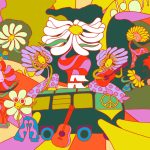
Channel the spirit of the ’60s at Flower Power, a joyous celebration of the enduring symbolism of flowers as icons of peace and love. Immerse yourself in a groovy and colorful flower show spotlighting the ways in which hippie culture advanced closer relationships with the natural world, and explore vibrant botanical displays.
2900 Southern Blvd
Bronx, NY 10458-5126
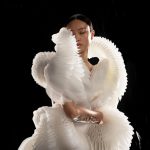
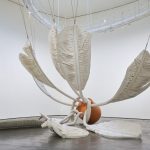
Iris van Herpen: Sculpting the SensesIris van Herpen: Sculpting the SensesTime: 10:00 am - 8:00 pm A pioneer in the use of new technologies, Van Herpen transcends conventional clothing norms while embracing both traditional couture artisanship and innovative techniques. Ranging from the micro to the macro, the exhibition explores the body’s place in space, its relationship to clothing and its environment, and its future in a rapidly changing world.Brooklyn Musiem of Art
Morris A. and Meyer Schapiro Wing and Iris and B. Gerald Cantor Gallery, 5th Floor
Guggenheim Pop: 1960 to NowGuggenheim Pop: 1960 to NowTime: 10:00 am - 8:00 pm The show will present iconic works from the museum’s collection by more than 20 artists, including John Chamberlain, Chryssa, Jim Dine, Roy Lichtenstein, Lucas Samaras, and Andy Warhol. Highlights will include Maurizio Cattelan’s Comedian (2019) and Claes Oldenburg and Coosje van Bruggen’s Soft Shuttlecock (1995), on view in New York for the first time in 25 years. These works will be shown alongside Yayoi Kusama’s INFINITY MIRRORED ROOM – DANCING LIGHTS THAT FLEW UP TO THE UNIVERSE (2019), a major loan to the exhibition, and recent acquisitions by contemporary artists such as Farah Al Qasimi, Alex Da Corte, Lucia Hierro, Martine Gutierrez, Lauren Halsey, Mohammed Ahmed Ibrahim, Yee I-Lann, Cara Romero, and Liu Shiyuan, whose practices expand the legacies of Pop.1071 Fifth Avenue New York, NY 10128 (at 88th Street)
The Met’s Arts of AfricaThe Met’s Arts of AfricaTime: 10:00 am - 8:00 pm
The new permanent installation foregrounds the creativity of artists across the subcontinent and enduring, dynamic historical traditions. The Met’s Arts of Africa galleries returned in May 2025, in a reimagined Michael C. Rockefeller Wing. Following a multiyear renovation, the reenvisioned installation reintroduces visitors to the Museum’s collection of sub-Saharan African art through a selection of some 500 works organized to survey major artistic movements and living traditions from across the subcontinent. The new galleries present original creations from the Middle Ages to the present, and one-fourth of the works are on display at the Museum for the first time.
The Met Fifth Avenue
1000 Fifth Avenue
New York, NY 10028
Phone: 212-535-7710
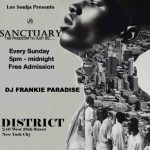
SanctuarySanctuaryTime: 5:00 pm - 12:00 am New York hottest place to be for a fun Sunday evening house music party. JD Frankie Paradise will get you moving whether you dip, twist or just strike a pose.District - 246 west 35th street
Upcoming Events
September 14, 2026
Flower PowerFlower PowerTime: 10:00 am - 8:00 pm
Channel the spirit of the ’60s at Flower Power, a joyous celebration of the enduring symbolism of flowers as icons of peace and love. Immerse yourself in a groovy and colorful flower show spotlighting the ways in which hippie culture advanced closer relationships with the natural world, and explore vibrant botanical displays.
2900 Southern Blvd
Bronx, NY 10458-5126
Iris van Herpen: Sculpting the SensesIris van Herpen: Sculpting the SensesTime: 10:00 am - 8:00 pm A pioneer in the use of new technologies, Van Herpen transcends conventional clothing norms while embracing both traditional couture artisanship and innovative techniques. Ranging from the micro to the macro, the exhibition explores the body’s place in space, its relationship to clothing and its environment, and its future in a rapidly changing world.Brooklyn Musiem of Art
Morris A. and Meyer Schapiro Wing and Iris and B. Gerald Cantor Gallery, 5th Floor
Guggenheim Pop: 1960 to NowGuggenheim Pop: 1960 to NowTime: 10:00 am - 8:00 pm The show will present iconic works from the museum’s collection by more than 20 artists, including John Chamberlain, Chryssa, Jim Dine, Roy Lichtenstein, Lucas Samaras, and Andy Warhol. Highlights will include Maurizio Cattelan’s Comedian (2019) and Claes Oldenburg and Coosje van Bruggen’s Soft Shuttlecock (1995), on view in New York for the first time in 25 years. These works will be shown alongside Yayoi Kusama’s INFINITY MIRRORED ROOM – DANCING LIGHTS THAT FLEW UP TO THE UNIVERSE (2019), a major loan to the exhibition, and recent acquisitions by contemporary artists such as Farah Al Qasimi, Alex Da Corte, Lucia Hierro, Martine Gutierrez, Lauren Halsey, Mohammed Ahmed Ibrahim, Yee I-Lann, Cara Romero, and Liu Shiyuan, whose practices expand the legacies of Pop.1071 Fifth Avenue New York, NY 10128 (at 88th Street)
The Met’s Arts of AfricaThe Met’s Arts of AfricaTime: 10:00 am - 8:00 pm
The new permanent installation foregrounds the creativity of artists across the subcontinent and enduring, dynamic historical traditions. The Met’s Arts of Africa galleries returned in May 2025, in a reimagined Michael C. Rockefeller Wing. Following a multiyear renovation, the reenvisioned installation reintroduces visitors to the Museum’s collection of sub-Saharan African art through a selection of some 500 works organized to survey major artistic movements and living traditions from across the subcontinent. The new galleries present original creations from the Middle Ages to the present, and one-fourth of the works are on display at the Museum for the first time.
The Met Fifth Avenue
1000 Fifth Avenue
New York, NY 10028
Phone: 212-535-7710
Paramount Movie Nights at Bryant ParkParamount Movie Nights at Bryant ParkTime: 8:00 pm - 10:00 pm Welcome to the 33rd season of summer movies in Bryant Park! Bring a blanket and a friend, and grab your spot on the lawn to watch a feature film on the big screen under the stars. The lawn opens at 5pm and films begin at 8pm.Bryant Park
September 15, 2026
Flower PowerFlower PowerTime: 10:00 am - 8:00 pm
Channel the spirit of the ’60s at Flower Power, a joyous celebration of the enduring symbolism of flowers as icons of peace and love. Immerse yourself in a groovy and colorful flower show spotlighting the ways in which hippie culture advanced closer relationships with the natural world, and explore vibrant botanical displays.
2900 Southern Blvd
Bronx, NY 10458-5126
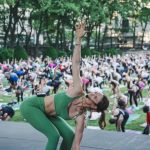
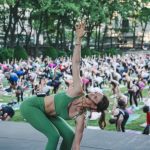
Bryant Park YogaBryant Park YogaTime: 10:00 am - 11:00 am Everyone’s favorite yoga program returns for summer 2026! From May 27 through September 16, join us for classes Tuesday mornings on the Upper Terrace, and Wednesday evenings on the lawn.Bryant Park Yoga presented by Halara is free to the public. Bring your mat and water and enjoy one hour of yoga with New York City’s top instructors.Bryant Park
42nd Street between 5th and 6th Avenue
Iris van Herpen: Sculpting the SensesIris van Herpen: Sculpting the SensesTime: 10:00 am - 8:00 pm A pioneer in the use of new technologies, Van Herpen transcends conventional clothing norms while embracing both traditional couture artisanship and innovative techniques. Ranging from the micro to the macro, the exhibition explores the body’s place in space, its relationship to clothing and its environment, and its future in a rapidly changing world.Brooklyn Musiem of Art
Morris A. and Meyer Schapiro Wing and Iris and B. Gerald Cantor Gallery, 5th Floor
Guggenheim Pop: 1960 to NowGuggenheim Pop: 1960 to NowTime: 10:00 am - 8:00 pm The show will present iconic works from the museum’s collection by more than 20 artists, including John Chamberlain, Chryssa, Jim Dine, Roy Lichtenstein, Lucas Samaras, and Andy Warhol. Highlights will include Maurizio Cattelan’s Comedian (2019) and Claes Oldenburg and Coosje van Bruggen’s Soft Shuttlecock (1995), on view in New York for the first time in 25 years. These works will be shown alongside Yayoi Kusama’s INFINITY MIRRORED ROOM – DANCING LIGHTS THAT FLEW UP TO THE UNIVERSE (2019), a major loan to the exhibition, and recent acquisitions by contemporary artists such as Farah Al Qasimi, Alex Da Corte, Lucia Hierro, Martine Gutierrez, Lauren Halsey, Mohammed Ahmed Ibrahim, Yee I-Lann, Cara Romero, and Liu Shiyuan, whose practices expand the legacies of Pop.1071 Fifth Avenue New York, NY 10128 (at 88th Street)
The Met’s Arts of AfricaThe Met’s Arts of AfricaTime: 10:00 am - 8:00 pm
The new permanent installation foregrounds the creativity of artists across the subcontinent and enduring, dynamic historical traditions. The Met’s Arts of Africa galleries returned in May 2025, in a reimagined Michael C. Rockefeller Wing. Following a multiyear renovation, the reenvisioned installation reintroduces visitors to the Museum’s collection of sub-Saharan African art through a selection of some 500 works organized to survey major artistic movements and living traditions from across the subcontinent. The new galleries present original creations from the Middle Ages to the present, and one-fourth of the works are on display at the Museum for the first time.
The Met Fifth Avenue
1000 Fifth Avenue
New York, NY 10028
Phone: 212-535-7710
September 16, 2026
Flower PowerFlower PowerTime: 10:00 am - 8:00 pm
Channel the spirit of the ’60s at Flower Power, a joyous celebration of the enduring symbolism of flowers as icons of peace and love. Immerse yourself in a groovy and colorful flower show spotlighting the ways in which hippie culture advanced closer relationships with the natural world, and explore vibrant botanical displays.
2900 Southern Blvd
Bronx, NY 10458-5126
Iris van Herpen: Sculpting the SensesIris van Herpen: Sculpting the SensesTime: 10:00 am - 8:00 pm A pioneer in the use of new technologies, Van Herpen transcends conventional clothing norms while embracing both traditional couture artisanship and innovative techniques. Ranging from the micro to the macro, the exhibition explores the body’s place in space, its relationship to clothing and its environment, and its future in a rapidly changing world.Brooklyn Musiem of Art
Morris A. and Meyer Schapiro Wing and Iris and B. Gerald Cantor Gallery, 5th Floor
Guggenheim Pop: 1960 to NowGuggenheim Pop: 1960 to NowTime: 10:00 am - 8:00 pm The show will present iconic works from the museum’s collection by more than 20 artists, including John Chamberlain, Chryssa, Jim Dine, Roy Lichtenstein, Lucas Samaras, and Andy Warhol. Highlights will include Maurizio Cattelan’s Comedian (2019) and Claes Oldenburg and Coosje van Bruggen’s Soft Shuttlecock (1995), on view in New York for the first time in 25 years. These works will be shown alongside Yayoi Kusama’s INFINITY MIRRORED ROOM – DANCING LIGHTS THAT FLEW UP TO THE UNIVERSE (2019), a major loan to the exhibition, and recent acquisitions by contemporary artists such as Farah Al Qasimi, Alex Da Corte, Lucia Hierro, Martine Gutierrez, Lauren Halsey, Mohammed Ahmed Ibrahim, Yee I-Lann, Cara Romero, and Liu Shiyuan, whose practices expand the legacies of Pop.1071 Fifth Avenue New York, NY 10128 (at 88th Street)
The Met’s Arts of AfricaThe Met’s Arts of AfricaTime: 10:00 am - 8:00 pm
The new permanent installation foregrounds the creativity of artists across the subcontinent and enduring, dynamic historical traditions. The Met’s Arts of Africa galleries returned in May 2025, in a reimagined Michael C. Rockefeller Wing. Following a multiyear renovation, the reenvisioned installation reintroduces visitors to the Museum’s collection of sub-Saharan African art through a selection of some 500 works organized to survey major artistic movements and living traditions from across the subcontinent. The new galleries present original creations from the Middle Ages to the present, and one-fourth of the works are on display at the Museum for the first time.
The Met Fifth Avenue
1000 Fifth Avenue
New York, NY 10028
Phone: 212-535-7710
Bryant Park YogaBryant Park YogaTime: 6:00 pm - 7:00 pm Bryant Park Yoga Everyone’s favorite yoga program returns for summer 2026! From May 27 through September 16, join us for classes Tuesday mornings on the Upper Terrace, and Wednesday evenings on the lawn.Bryant Park Yoga presented by Halara is free to the public. Bring your mat and water and enjoy one hour of yoga with New York City’s top instructors.Bryant Park
September 17, 2026
Dance of The Village Elders at St. Phillips ChurchDance of The Village Elders at St. Phillips ChurchTime: 2:30 am - 3:30 am A dance and wellness classes design for Older Adults taught by Walter Rutledge204 W 134th St, New York, NY 10030
Flower PowerFlower PowerTime: 10:00 am - 8:00 pm
Channel the spirit of the ’60s at Flower Power, a joyous celebration of the enduring symbolism of flowers as icons of peace and love. Immerse yourself in a groovy and colorful flower show spotlighting the ways in which hippie culture advanced closer relationships with the natural world, and explore vibrant botanical displays.
2900 Southern Blvd
Bronx, NY 10458-5126
Iris van Herpen: Sculpting the SensesIris van Herpen: Sculpting the SensesTime: 10:00 am - 8:00 pm A pioneer in the use of new technologies, Van Herpen transcends conventional clothing norms while embracing both traditional couture artisanship and innovative techniques. Ranging from the micro to the macro, the exhibition explores the body’s place in space, its relationship to clothing and its environment, and its future in a rapidly changing world.Brooklyn Musiem of Art
Morris A. and Meyer Schapiro Wing and Iris and B. Gerald Cantor Gallery, 5th Floor
Guggenheim Pop: 1960 to NowGuggenheim Pop: 1960 to NowTime: 10:00 am - 8:00 pm The show will present iconic works from the museum’s collection by more than 20 artists, including John Chamberlain, Chryssa, Jim Dine, Roy Lichtenstein, Lucas Samaras, and Andy Warhol. Highlights will include Maurizio Cattelan’s Comedian (2019) and Claes Oldenburg and Coosje van Bruggen’s Soft Shuttlecock (1995), on view in New York for the first time in 25 years. These works will be shown alongside Yayoi Kusama’s INFINITY MIRRORED ROOM – DANCING LIGHTS THAT FLEW UP TO THE UNIVERSE (2019), a major loan to the exhibition, and recent acquisitions by contemporary artists such as Farah Al Qasimi, Alex Da Corte, Lucia Hierro, Martine Gutierrez, Lauren Halsey, Mohammed Ahmed Ibrahim, Yee I-Lann, Cara Romero, and Liu Shiyuan, whose practices expand the legacies of Pop.1071 Fifth Avenue New York, NY 10128 (at 88th Street)
The Met’s Arts of AfricaThe Met’s Arts of AfricaTime: 10:00 am - 8:00 pm
The new permanent installation foregrounds the creativity of artists across the subcontinent and enduring, dynamic historical traditions. The Met’s Arts of Africa galleries returned in May 2025, in a reimagined Michael C. Rockefeller Wing. Following a multiyear renovation, the reenvisioned installation reintroduces visitors to the Museum’s collection of sub-Saharan African art through a selection of some 500 works organized to survey major artistic movements and living traditions from across the subcontinent. The new galleries present original creations from the Middle Ages to the present, and one-fourth of the works are on display at the Museum for the first time.
The Met Fifth Avenue
1000 Fifth Avenue
New York, NY 10028
Phone: 212-535-7710
September 18, 2026
Flower PowerFlower PowerTime: 10:00 am - 8:00 pm
Channel the spirit of the ’60s at Flower Power, a joyous celebration of the enduring symbolism of flowers as icons of peace and love. Immerse yourself in a groovy and colorful flower show spotlighting the ways in which hippie culture advanced closer relationships with the natural world, and explore vibrant botanical displays.
2900 Southern Blvd
Bronx, NY 10458-5126
Iris van Herpen: Sculpting the SensesIris van Herpen: Sculpting the SensesTime: 10:00 am - 8:00 pm A pioneer in the use of new technologies, Van Herpen transcends conventional clothing norms while embracing both traditional couture artisanship and innovative techniques. Ranging from the micro to the macro, the exhibition explores the body’s place in space, its relationship to clothing and its environment, and its future in a rapidly changing world.Brooklyn Musiem of Art
Morris A. and Meyer Schapiro Wing and Iris and B. Gerald Cantor Gallery, 5th Floor
Guggenheim Pop: 1960 to NowGuggenheim Pop: 1960 to NowTime: 10:00 am - 8:00 pm The show will present iconic works from the museum’s collection by more than 20 artists, including John Chamberlain, Chryssa, Jim Dine, Roy Lichtenstein, Lucas Samaras, and Andy Warhol. Highlights will include Maurizio Cattelan’s Comedian (2019) and Claes Oldenburg and Coosje van Bruggen’s Soft Shuttlecock (1995), on view in New York for the first time in 25 years. These works will be shown alongside Yayoi Kusama’s INFINITY MIRRORED ROOM – DANCING LIGHTS THAT FLEW UP TO THE UNIVERSE (2019), a major loan to the exhibition, and recent acquisitions by contemporary artists such as Farah Al Qasimi, Alex Da Corte, Lucia Hierro, Martine Gutierrez, Lauren Halsey, Mohammed Ahmed Ibrahim, Yee I-Lann, Cara Romero, and Liu Shiyuan, whose practices expand the legacies of Pop.1071 Fifth Avenue New York, NY 10128 (at 88th Street)
The Met’s Arts of AfricaThe Met’s Arts of AfricaTime: 10:00 am - 8:00 pm
The new permanent installation foregrounds the creativity of artists across the subcontinent and enduring, dynamic historical traditions. The Met’s Arts of Africa galleries returned in May 2025, in a reimagined Michael C. Rockefeller Wing. Following a multiyear renovation, the reenvisioned installation reintroduces visitors to the Museum’s collection of sub-Saharan African art through a selection of some 500 works organized to survey major artistic movements and living traditions from across the subcontinent. The new galleries present original creations from the Middle Ages to the present, and one-fourth of the works are on display at the Museum for the first time.
The Met Fifth Avenue
1000 Fifth Avenue
New York, NY 10028
Phone: 212-535-7710
Dance of the Village Elders - R.A.I.N. NeriedDance of the Village Elders - R.A.I.N. NeriedTime: 10:30 am - 11:30 am A dance and wellness classes design for Older Adults taught by Walter Rutledge720 Nereid Ave, Bronx, NY 10466
September 19, 2026
Flower PowerFlower PowerTime: 10:00 am - 8:00 pm
Channel the spirit of the ’60s at Flower Power, a joyous celebration of the enduring symbolism of flowers as icons of peace and love. Immerse yourself in a groovy and colorful flower show spotlighting the ways in which hippie culture advanced closer relationships with the natural world, and explore vibrant botanical displays.
2900 Southern Blvd
Bronx, NY 10458-5126
Iris van Herpen: Sculpting the SensesIris van Herpen: Sculpting the SensesTime: 10:00 am - 8:00 pm A pioneer in the use of new technologies, Van Herpen transcends conventional clothing norms while embracing both traditional couture artisanship and innovative techniques. Ranging from the micro to the macro, the exhibition explores the body’s place in space, its relationship to clothing and its environment, and its future in a rapidly changing world.Brooklyn Musiem of Art
Morris A. and Meyer Schapiro Wing and Iris and B. Gerald Cantor Gallery, 5th Floor
Guggenheim Pop: 1960 to NowGuggenheim Pop: 1960 to NowTime: 10:00 am - 8:00 pm The show will present iconic works from the museum’s collection by more than 20 artists, including John Chamberlain, Chryssa, Jim Dine, Roy Lichtenstein, Lucas Samaras, and Andy Warhol. Highlights will include Maurizio Cattelan’s Comedian (2019) and Claes Oldenburg and Coosje van Bruggen’s Soft Shuttlecock (1995), on view in New York for the first time in 25 years. These works will be shown alongside Yayoi Kusama’s INFINITY MIRRORED ROOM – DANCING LIGHTS THAT FLEW UP TO THE UNIVERSE (2019), a major loan to the exhibition, and recent acquisitions by contemporary artists such as Farah Al Qasimi, Alex Da Corte, Lucia Hierro, Martine Gutierrez, Lauren Halsey, Mohammed Ahmed Ibrahim, Yee I-Lann, Cara Romero, and Liu Shiyuan, whose practices expand the legacies of Pop.1071 Fifth Avenue New York, NY 10128 (at 88th Street)
The Met’s Arts of AfricaThe Met’s Arts of AfricaTime: 10:00 am - 8:00 pm
The new permanent installation foregrounds the creativity of artists across the subcontinent and enduring, dynamic historical traditions. The Met’s Arts of Africa galleries returned in May 2025, in a reimagined Michael C. Rockefeller Wing. Following a multiyear renovation, the reenvisioned installation reintroduces visitors to the Museum’s collection of sub-Saharan African art through a selection of some 500 works organized to survey major artistic movements and living traditions from across the subcontinent. The new galleries present original creations from the Middle Ages to the present, and one-fourth of the works are on display at the Museum for the first time.
The Met Fifth Avenue
1000 Fifth Avenue
New York, NY 10028
Phone: 212-535-7710
September 20, 2026
Flower PowerFlower PowerTime: 10:00 am - 8:00 pm
Channel the spirit of the ’60s at Flower Power, a joyous celebration of the enduring symbolism of flowers as icons of peace and love. Immerse yourself in a groovy and colorful flower show spotlighting the ways in which hippie culture advanced closer relationships with the natural world, and explore vibrant botanical displays.
2900 Southern Blvd
Bronx, NY 10458-5126
Iris van Herpen: Sculpting the SensesIris van Herpen: Sculpting the SensesTime: 10:00 am - 8:00 pm A pioneer in the use of new technologies, Van Herpen transcends conventional clothing norms while embracing both traditional couture artisanship and innovative techniques. Ranging from the micro to the macro, the exhibition explores the body’s place in space, its relationship to clothing and its environment, and its future in a rapidly changing world.Brooklyn Musiem of Art
Morris A. and Meyer Schapiro Wing and Iris and B. Gerald Cantor Gallery, 5th Floor
Guggenheim Pop: 1960 to NowGuggenheim Pop: 1960 to NowTime: 10:00 am - 8:00 pm The show will present iconic works from the museum’s collection by more than 20 artists, including John Chamberlain, Chryssa, Jim Dine, Roy Lichtenstein, Lucas Samaras, and Andy Warhol. Highlights will include Maurizio Cattelan’s Comedian (2019) and Claes Oldenburg and Coosje van Bruggen’s Soft Shuttlecock (1995), on view in New York for the first time in 25 years. These works will be shown alongside Yayoi Kusama’s INFINITY MIRRORED ROOM – DANCING LIGHTS THAT FLEW UP TO THE UNIVERSE (2019), a major loan to the exhibition, and recent acquisitions by contemporary artists such as Farah Al Qasimi, Alex Da Corte, Lucia Hierro, Martine Gutierrez, Lauren Halsey, Mohammed Ahmed Ibrahim, Yee I-Lann, Cara Romero, and Liu Shiyuan, whose practices expand the legacies of Pop.1071 Fifth Avenue New York, NY 10128 (at 88th Street)
The Met’s Arts of AfricaThe Met’s Arts of AfricaTime: 10:00 am - 8:00 pm
The new permanent installation foregrounds the creativity of artists across the subcontinent and enduring, dynamic historical traditions. The Met’s Arts of Africa galleries returned in May 2025, in a reimagined Michael C. Rockefeller Wing. Following a multiyear renovation, the reenvisioned installation reintroduces visitors to the Museum’s collection of sub-Saharan African art through a selection of some 500 works organized to survey major artistic movements and living traditions from across the subcontinent. The new galleries present original creations from the Middle Ages to the present, and one-fourth of the works are on display at the Museum for the first time.
The Met Fifth Avenue
1000 Fifth Avenue
New York, NY 10028
Phone: 212-535-7710
SanctuarySanctuaryTime: 5:00 pm - 12:00 am New York hottest place to be for a fun Sunday evening house music party. JD Frankie Paradise will get you moving whether you dip, twist or just strike a pose.District - 246 west 35th street