By Walter Rutledge

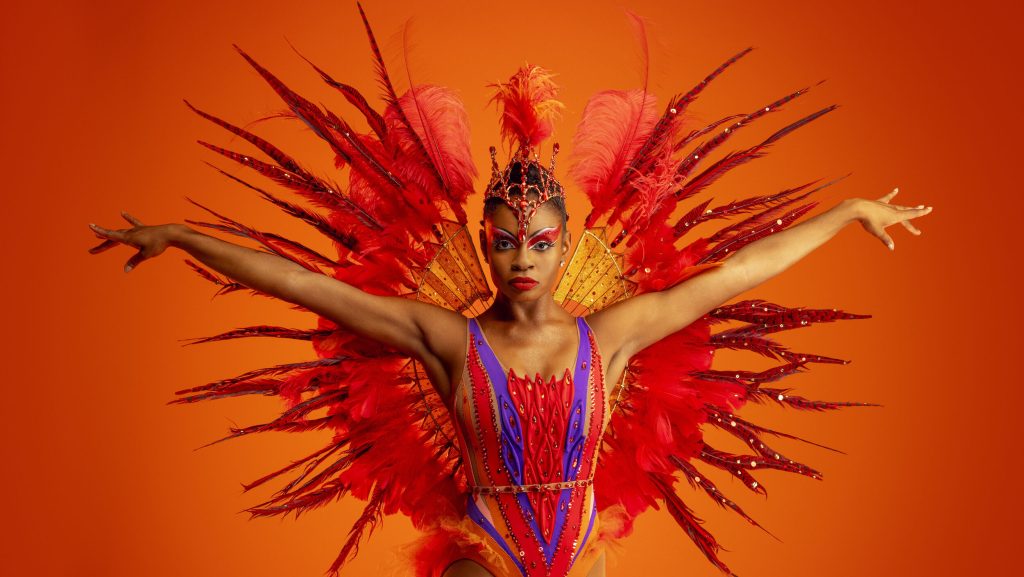
The Thelma Hill Performing Arts Center (THPAC) will begin the organization’s fiftieth anniversary season September 16, 2026, at the Mark O’Donnell Theater, 160 Schermerhorn Street in Downtown Brooklyn. The five-performance series, which run through Sunday September 20, will offer works by dance masters, emerging choreographers and neophyte dance makers. The celebration will feature artists from its 50-year legacy including dance rebel Elio Pomare (courtesy of Alpha Omega Dance Company) and Emerge 125 who will be making their THPAC debut.
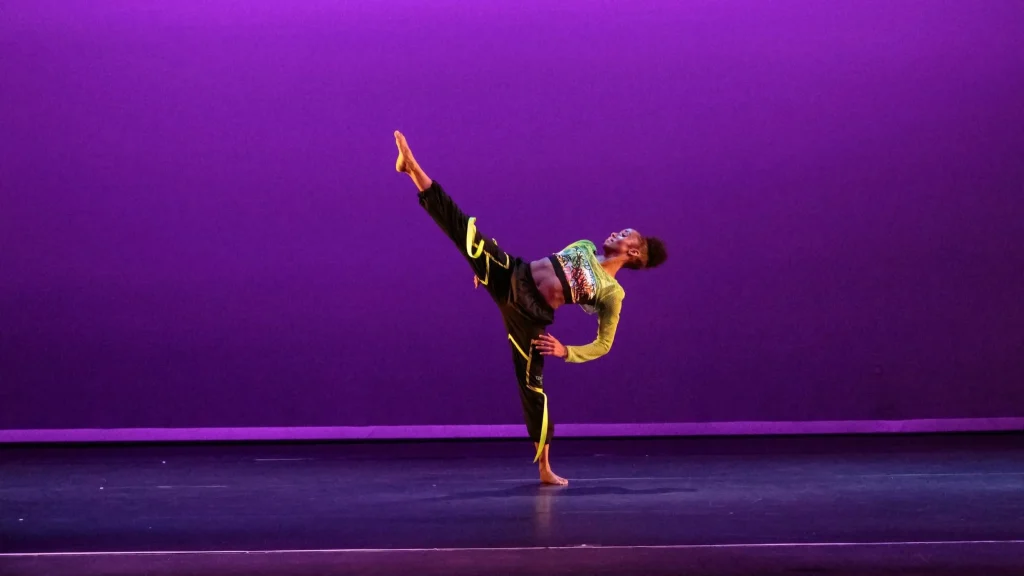
The undisputed Granddaddy of presenting organizations for Black and Brown artists THPAC continues the search for the new and cutting edge; while preserving Black dance’s ephemeral past. “Time has a way of reducing exciting ballets, captivating performer, and prolific choreographers to mere dance history footnotes. And for Black dance it is even more catastrophic because so much has not been documented or preserved.” States THPAC Executive Chairman Alex Smith Jr., Over its fifty-year legacy THPAC has presented dance luminaries such as Talley Beatty, Louis Johnson and George Faison but has also offer the works of Syvilla Fort, Joan Miller, Loretta Abbott and Al Perryman. The fiftieth anniversary season is no exception; it will be a visual learner’s black dance history lesson.
One brutal reality is that those in power rewrite, erase or whitewash people, events and accomplishments to fit their historical narrative. Just look at the Italian renaissance rendering of a Neapolitan Jesus. Where are his hair white as wool or burnt bronze feet? Or Queen Charlotte of Mecklenburg-Strelitz, wife of King George III, Grandmother Queen Victoria who was the great, great grandmother of Queen Elizabeth II. Queen Charlotte’s skin was lightened and features “softened” to mask her Moorish ancestry. That’s right England’s King Charles is a brother.
The saga of kidnapped West Africans and their four hundred plus year American sojourn has been marked by isolation and self-determination. Simply said after being denied inclusion in society, culture and history Blacks created their own. And today the contributions of American of African descent permeate every aspect of American and World culture. In the face of American’s latest attempts at ethnic cleansing, it has been said that if we removed the Black and Brown people from this country America would have no culture.
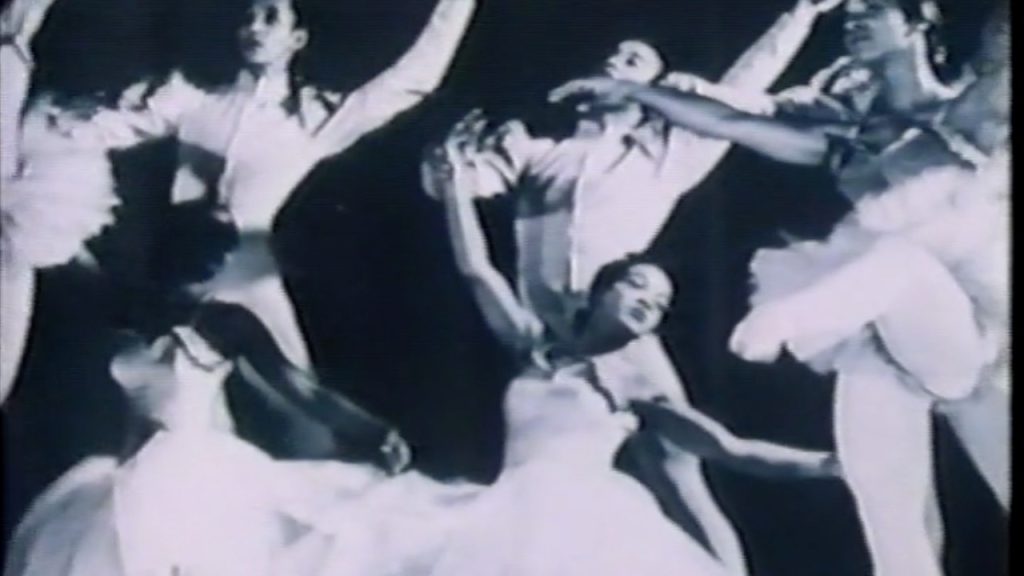
Thelma Hill did not wait for change; she created her own. Her love for ballet compelled her and dancer Ward Fleming to establish the New York Negro Ballet Company in 1954. (The same year of the United States Supreme Court ruled in favor of Brown vs the Board of Education and the formation of Mississippi’s White Citizen Council as a response to desegregation.) In 1959 she founded Clark Center with Alvin Ailey, establishing the first home of the Alvin Ailey American Dance Theater. And in 1976 she and Larry Phillips created a school in her beloved hometown borough of Brooklyn.
Hill did not have a dancer’s body but that did not stop her from developing a special heartfelt, soul filled stage presence. She understood the power of storytelling and her determination and self-exploration made her a powerful performer, mentor and teacher. Her untimely death in 1977 at age 53 sent the dance community into shock and deep remorse. Phillips honored his friend and mentor by renaming their dance organization the Thelma Hill Performing Arts Center (THPAC).
By the mid 1970’s the struggle had transitioned from the “We shall over overcome” of the 1960’s to the raised fist, “Say it loud. I’m Black and I’m proud” Afro era. This sparked renewed interest in W.E.B. Dubois’ 1903 self-determination manifesto, The Souls of Black Folks. Black dancers, choreographer, directors, visual artists, writers and composers responded with work embodying a spirt of renewed pride, defiance and purpose. Artists such as Romare Bearden, Melvin Van Peebles, Stevie Wonder, Gordon Parks, Maya Angelou, and James Baldwin helped bring “Blackness” mainstream. And Black dance was also finding its way into this new Black arts lexicon; unfortunately, there were very few presenters who showcased fledgling, emerging and even established black choreographers and companies. Phillips seized the moment.
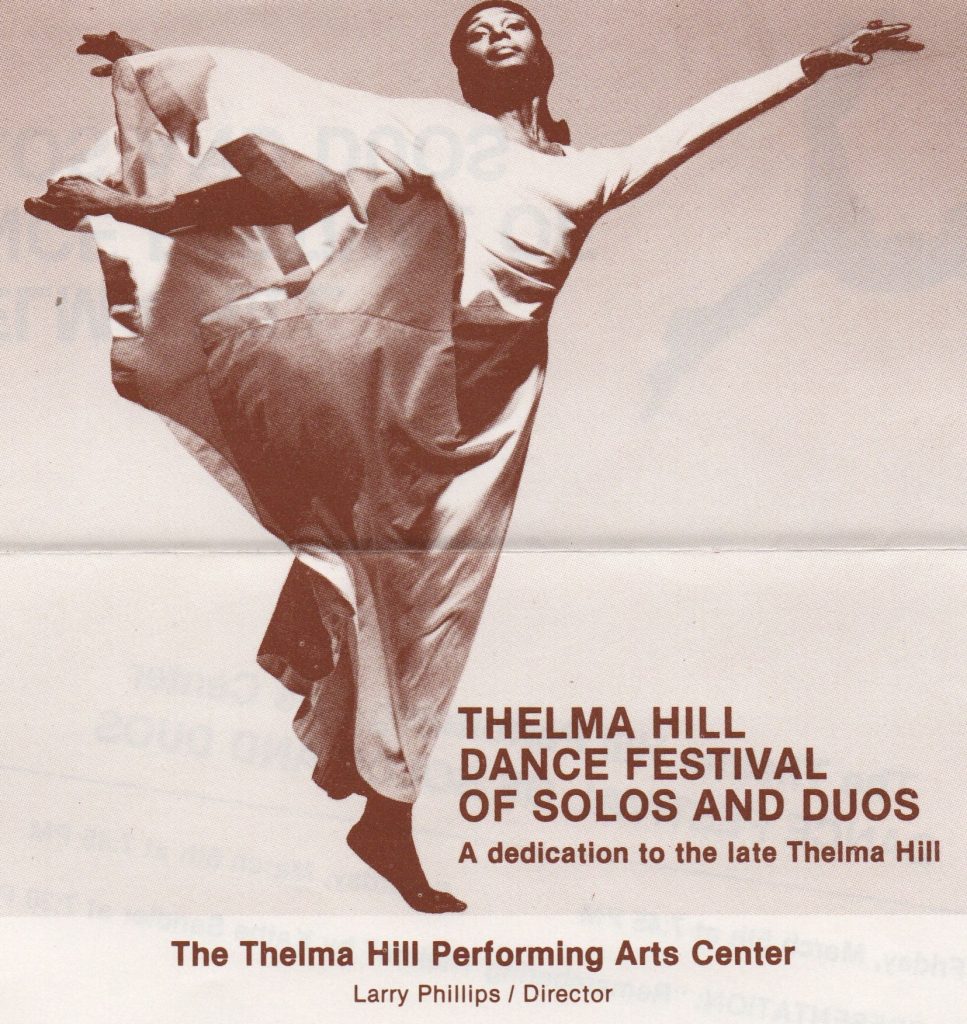
Phillips reached beyond Brooklyn to present a broad range of Black dance including established artists Maurice Hines, Clive Thompson, George Faison, Talley Beatty, Diane McIntyre, Loretta Abbott and Al Perryman; and emerging companies including Dance Theatre of Harlem, Alvin Ailey American Dance Center Repetory Ensemble (Ailey II), Philadanco, Chuck Davis Dance Company, Fred Benjamin Dance Company, Nanette Bearden Contemporary Dance Theater, Jubilations! Dance Company. Phillips passed away at age 50 in 1987, just ten short years after his beloved friend and mentor.
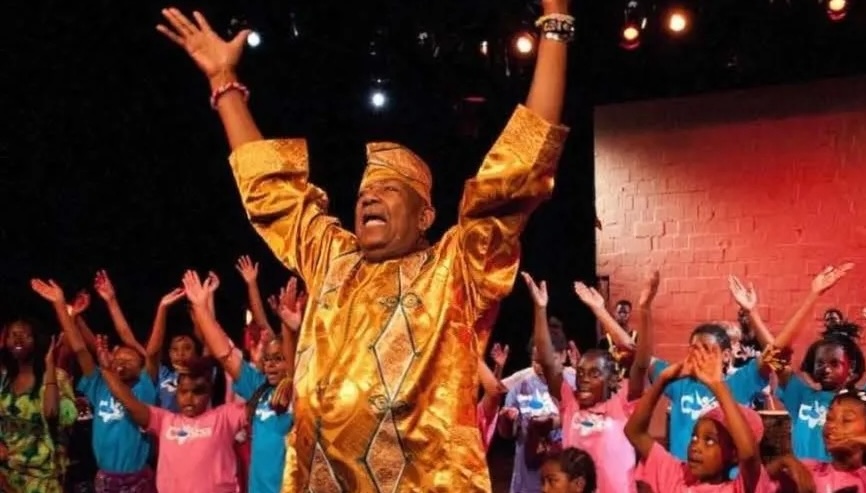
During Phillips last year Melvin Davis slowly began to take more responsibility and became the director by proxy. Davis capitalized on the momentum Phillips had created and the organization moved into an impressive era buoyed by the international dance boom of the 1980’s. Artists such as Abdel Salaam/ Forces of Nature Dance Company, Complexion Contemporary Ballet, Ronald K. Brown/Evidence, Eleo Pomare, Marlise Yearby, Garth Fagan’s Bottom of the Bucket Dance Company, Gary Deloatch, Urban Bush Women, and Edisa Weeks are among the many artists and companies showcased.
Davis also understood the changing times and the need for greater inclusivity and diversity in other underserved communities. He expanded the themes to include female choreographer showcases, gay and lesbian themed concerts, Latin and Asian choreographers and the emerging hip hop culture.
In 1995, eight years after taking charge, Davis died suddenly and the organization faced its toughest challenges. Debt ridden, unpaid taxes and the threat of losing its not-for-profit status Alex Smith Jr., the company’s graphic designer stepped forward to save THPAC. With no formal dance training (his dance resume consisted of weekends at the Paradise Garage) he and Marshall Swiney started what has become the company’s longest and most consistent part of THPAC’s legacy.
For over 30 years Executive Chairman Smith as served THPAC and the dance community. Continuing the legacy of presenting new and innovative choreographers such as Camille Brown, Kyle Abraham, Tommie Waheed-Evan, Christopher Huggins, Jamel Gaines, Ted Thomas and Tiffany Rea Fisher while sharing dance classics with the next generation of dance enthusiasts.
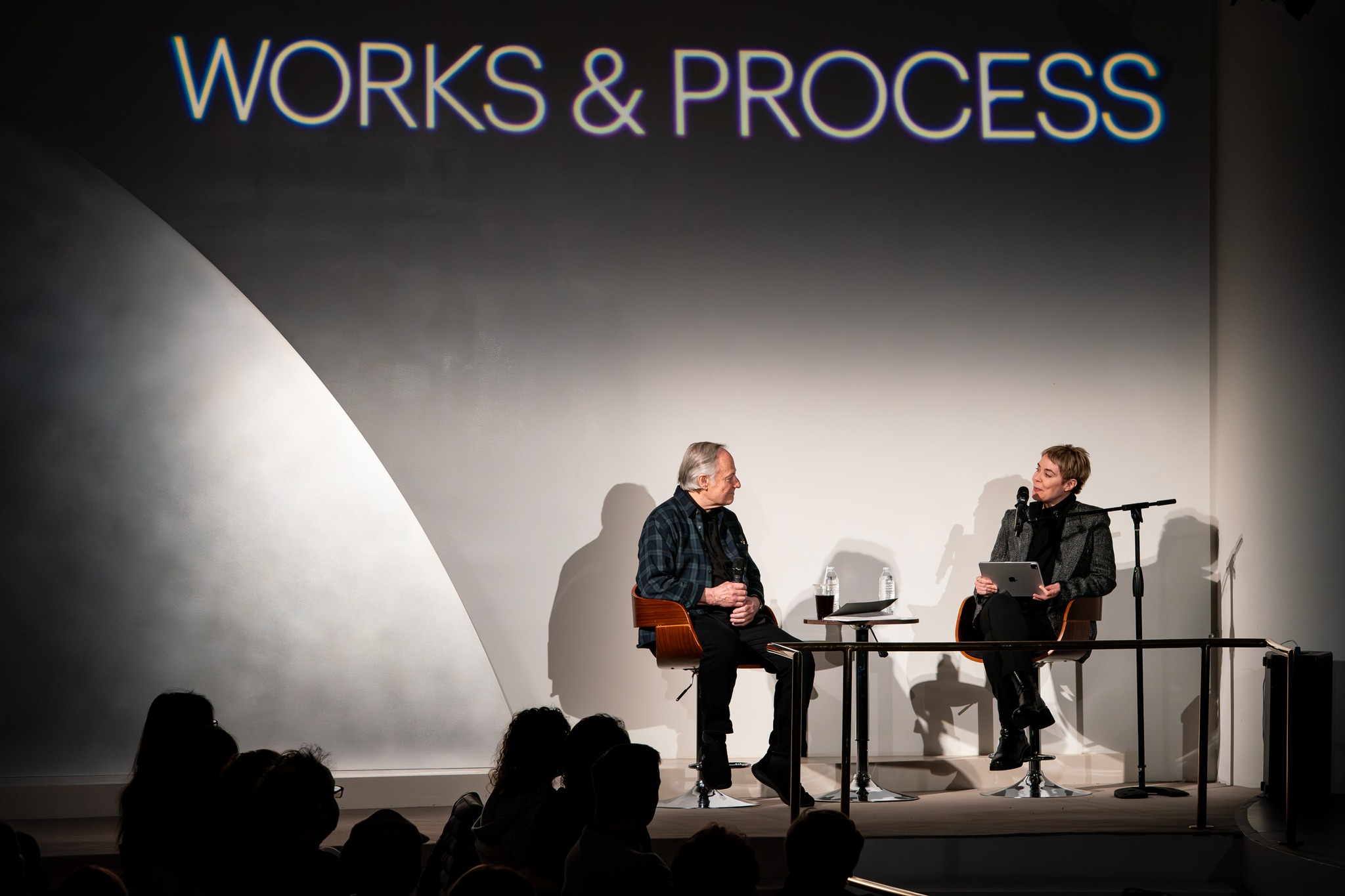
Joan Myers Brown Introducing Alex Smith Jr.
Smith’s years of commitment and dedication has propelled Thelma Hill Performing Arts Center into its fifth decade. His stalwart stewardship earned him a New York Dance and Performance Award (aka the Bessies) for Outstanding Service to the Field of Dance in 2016. In recent years Davis has begun writing and producing original dance productions including The Gospel According to THPAC, and a Ramp to Paradise. These two productions featured commissioned dancers, choreographers and directors; and are part of the organization’s expanded direction of offering original work conceived and produced by THPAC.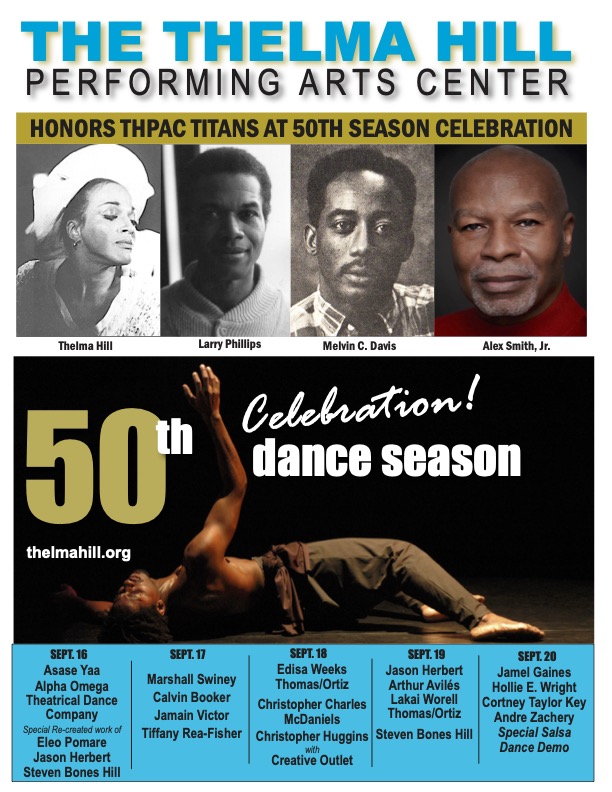
Additional 50th Anniversary events include a revival of Ramp to Paradise, the release of the Thelma Hill Performing Arts Center documentary film and a Southern tour of Gospel According to THPAC. Happy 50th Anniversary Thelma Hill Performing Arts Center! A truly golden moment.
For information and tickets visit: https://www.thelmahill.org/events