
The New York City Breakers were the first Hip Hop group and to perform in Washington D.C for a sitting President, specifically Ronald Reagan, during the 1983, Kennedy Center Honors. Continue reading


The New York City Breakers were the first Hip Hop group and to perform in Washington D.C for a sitting President, specifically Ronald Reagan, during the 1983, Kennedy Center Honors. Continue reading
By Walter Rutledge

By Walter Rutledge

Happy Birthday to one of the dance world’s icons Debbie Allen. We had the opportunity to talk to Ms. Allen about a wide range of her life experiences from segregated dance classes in her native Texas, to heartless rejection and finally coming into her own in New York City. We pay tribute to a living dance legend and activist born on January 16th.- Walter Rutledge

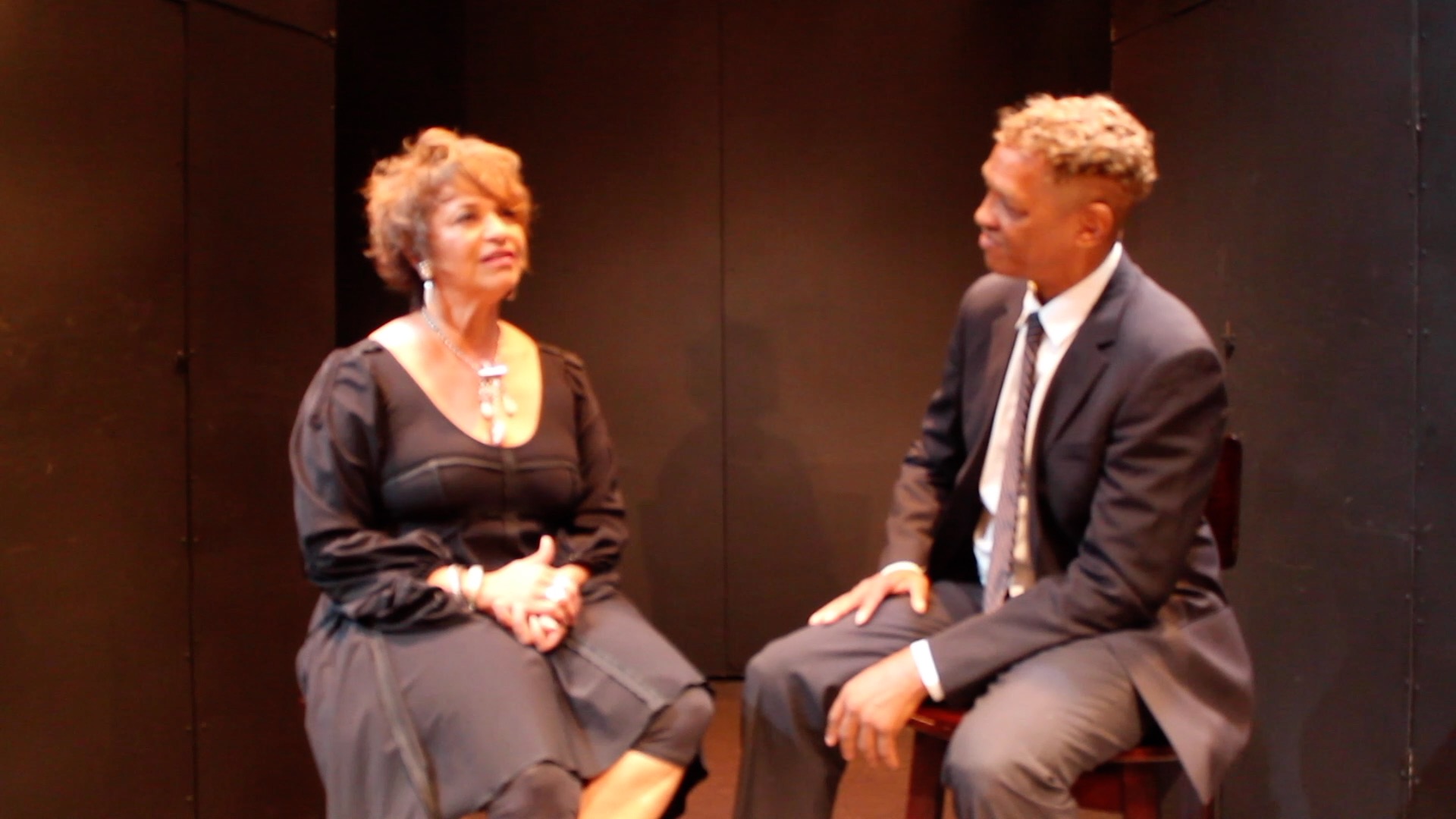
In 2015 O&A NYC Editor-in-Chief Walter Rutledge interviewed Debbie Allen at the Faison Firehouse Theater for Dance Noir Magazine (DNM). The print article would discuss her relationship with Katherine Dunham. The video was produced as visual notes for the upcoming Dunham article. When the magazine suspended publication, out of respect for DNM Founder/Editor-in-Chief Carol Lloyd, we held the material with hopes of eventually printing the article for DNM. After eight years Ms. Allen’s words remain relevant, inspiring and informative and should be shared. We call this first installment Empathy. Continue reading
By Walter Rutledge

In 2015 O&A NYC Editor-in-Chief Walter Rutledge interviewed Debbie Allen at the Faison Firehouse Theater for Dance Noir Magazine (DNM). The print article would discuss her relationship with Katherine Dunham. The video was produced as visual notes for the upcoming Dunham article. When the magazine suspended publication, out of respect for DNM Founder/Editor-in-Chief Carol Lloyd, we held the material with hopes of eventually printing the article for DNM. After eight years Ms. Allen’s words remain relevant, inspiring and informative and should be shared. We call this first installment Empathy. Continue reading


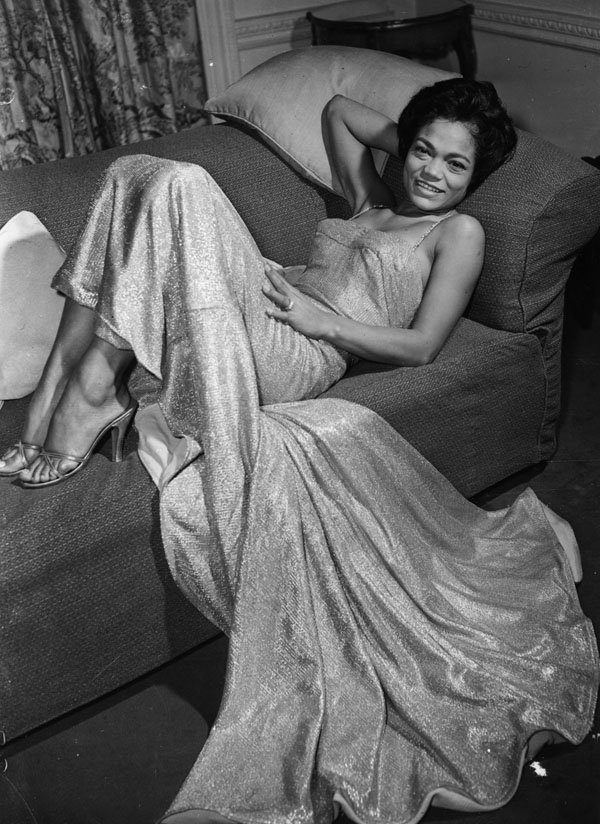
Eartha Mae Kitt was an actress, singer, cabaret star, dancer, stand-up comedienne, activist and voice artist. Known for her highly distinctive singing style and her 1953 recordings of C’est Si Bon and the enduring Christmas novelty smash Santa Baby. Both songs became US Top 10 hits. Orson Welles once called her the most exciting woman in the world.
Continue reading


Eartha Mae Kitt was an actress, singer, cabaret star, dancer, stand-up comedienne, activist and voice artist. Known for her highly distinctive singing style and her 1953 recordings of C’est Si Bon and the enduring Christmas novelty smash Santa Baby. Both songs became US Top 10 hits. Orson Welles once called her the most exciting woman in the world.
Continue reading


Cabin in the Sky is a 1940 American musical with music by Vernon Duke, Lyrics by John La Touche, and a musical book by Lynn Root. The musical premiered on Broadway at the Martin Beck Theatre on October 25, 1940. It closed on March 8, 1941 after a total of 156 performances. It was directed by Albert Lewis and staged by George Balanchine. The Broadway production starred Ethel Waters as Petunia Jackson, Dooley Wilson as Little Joe Jackson, Katherine Dunham as Georgia Brown, Rex Ingram as Lucifer Junior, and Todd Duncan as The Lawd’s General. Continue reading
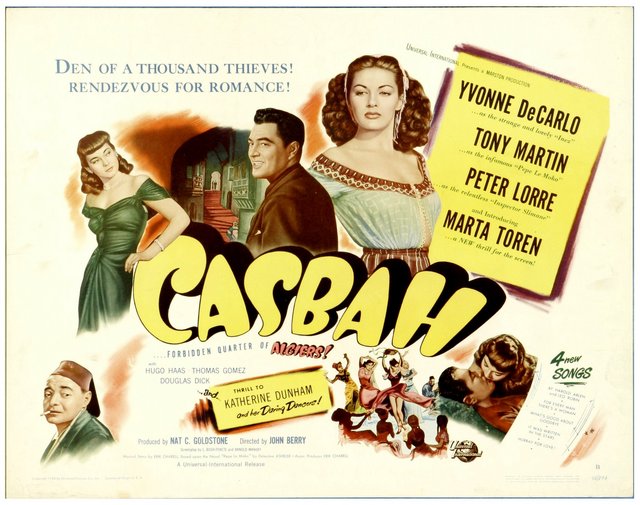
In 1948, Dunham and her company appeared in the Hollywood movie Casbah, with Tony Martin, Yvonne de Carlo, and Peter Lorre. The film was the cinematic debut of Eartha Kitt. Continue reading
By Walter Rutledge
To celebrate the Martha Graham Dance Company New York Season- February 14th thru 26th at the Joyce O&A NYC Magazine reposts Clive Thompson- The Graham Years
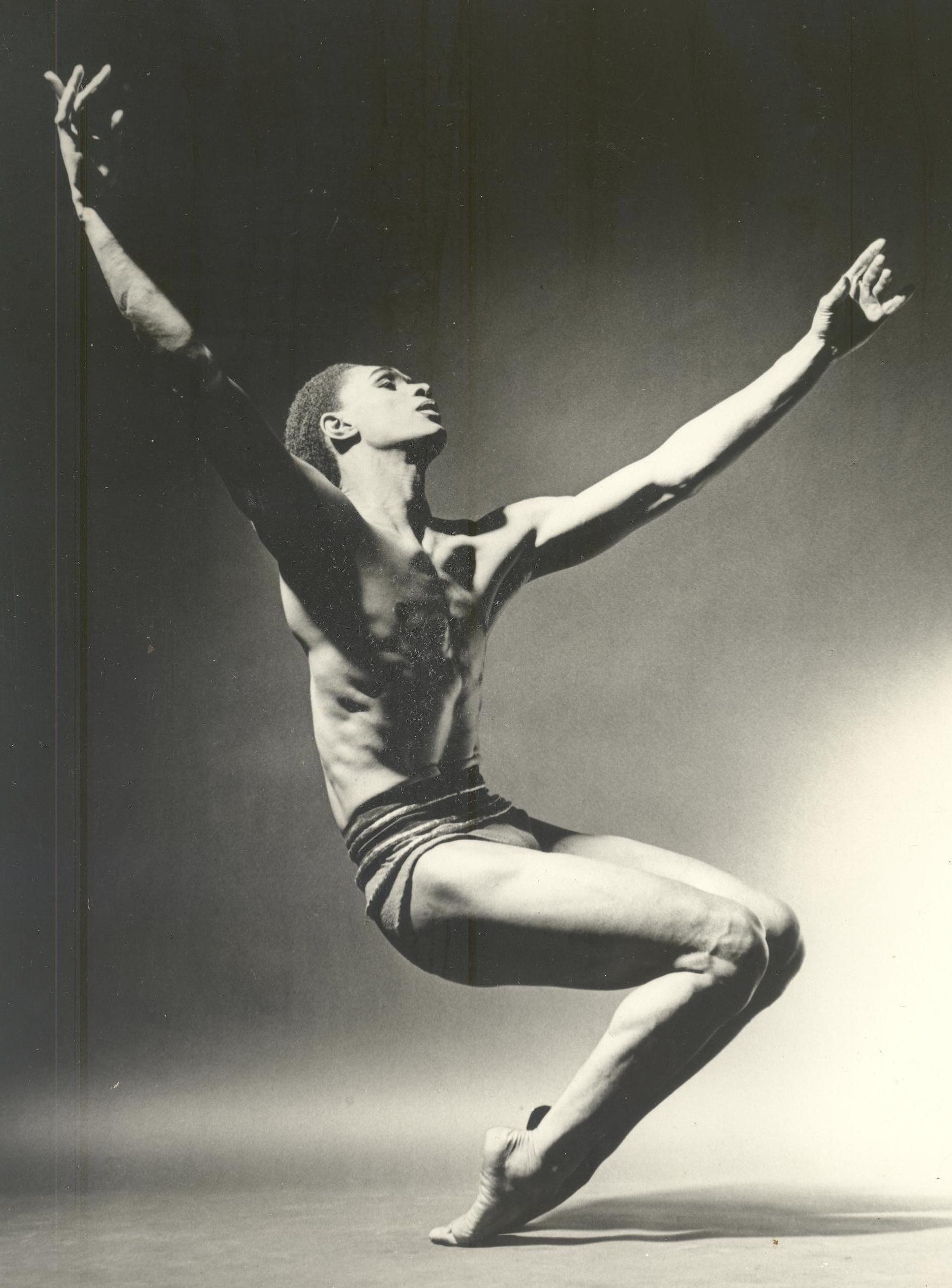
The life of a bank clerk at the Government Savings Bank in Kingston, Jamaica was not going be Clive Thompson’s fate; he had been a performer for most of his life. Clive and his sister Norma had been childhood favorites in the local talent shows and were part of the “opening act” in Children’s Corner Club at the Saturday matinees. After seeing the Katherine Dunham Dance Company perform and a chance encounter with modern dance teacher Ivy Baxter he began formal dance classes. Continue reading
By Walter Rutledge

Dallas Black Dance Theatre (DBDT) returned to New York City on January 5th and 6th as part of the Joyce Theater’s American Dance Platform. The series (curated by Alicia Adams and dedicated to the memory of former Harkness Foundation for Dance executive director Theodore Bartwink) offered a diverse group of eight dance companies including the new, emerging and established. Each company appeared twice on a double-billed program. Dallas Black Dance Theatre closed the five-day/six performance dance-fest on a high note.
Founder and Artistic Advisor Ann Williams has cultivated the company into the quintessential dance theatre ensemble. The style is an extension of the African-American storytelling tradition expressed through movement, and has become the cornerstone of the black dance experience. DBDT continues this legacy by preserving black dance classics, while introducing new and emerging choreographers working in the tradition. The program offered two works in the dance theatre genre Furtherance by Kirven Douthit-Boyd and Matthew Rushing’s Tribute.
The dance theatre tradition extends beyond modern dance steps; it embodies the total theatrical dance experience. Katherine Dunham helped propel the genre to international recognition through her company’s work in motion pictures during the late 1930’s and 1940’s; but Alvin Ailey is undoubtedly the most recognized dance theatre choreographer. Most people associate Ailey with dance theatre classics Revelations and Blues Suite, but it was Broadway that lured him and his friend Carmen De Lavallade to New York.
After appearing in the Hollywood production of Carmen Jones (1954) Ailey moved east performing on Broadway in House of Flowers (1954) (by Truman Capote and starring Pearl Bailey and Diahann Carroll), Sing, Man, Sing (1956) (starring Harry Belafonte) and Jamaica (1957) (with Lena Horne and Ricardo Montalban). These experiences helped shape the Horton-based dancer and choreographer into a song and dance man. Ailey incorporated theatrical elements (including lighting, costumes and acting) into his work creating story based dance narratives. Although Ailey died in 1989 his choreographic genius has continued to influence generations of dance makers.
Kirven Douthit-Boyd’s work, Furtherance, depicts overcoming personal struggle and ends with a celebration of triumph. His use of abstract narrative imagery triumphantly takes us on an uplifting dance odyssey. Furtherance opened with dancer De’Anthony Vaughan sequestered behind a wall of bodies that was aggressively moving upstage. Vaughan quickly eludes the advancing impediment with a series of second position extensions, before continuing on his journey.
Douthit-Boyd worked through a contemporary dance vocabulary that reminisced signature movement from the Alvin Ailey American Dance Theater. Well placed second position extensions, arabesque and attitude turns en dehor peppered the work with ample modern/ballet aplomb. Designed as a series of vignettes the centerpiece of the work was a duet featuring Claude Alexander III and Alyssa Harrington.

Alexander III and Harrington have grown into the roles since DBDT debuted Furtherance in the 2016 Spring Season. This allowed the audience to look beyond the steps and experience the artistry. The seamless lifts and ardent partnering had maturated into effective abstract narrative storytelling. Here Douthit-Boyd successfully trusted the movement to reveal the story, while subtle and nuanced gestures enhanced the section without becoming saccharine.
Keon K. Nickie’s short but energetic solo acted as the catalyst, drawing the dancers into his vortex. In this section Douthit-Boyd artfully created the required rising action to transition into the finale. Harrington returns alone culminating the work dancing in a protective circular cocoon of amber down light.
Matthew Rushing appropriately named his new ensemble work Tribute. The work is a black dance history lesson told through multiple mediums including movement, spoken word, lighting and scenic design. Rushing added a new word to the dance lexicon- Dancestors; which also encapsulates the ballet’s objective.
Throughout the work the names and quotes of iconic figures in dance including 20th century legends Alvin Ailey, Talley Beatty, Janet Collins, Katherine Dunham, Martha Graham, Sammy Davis Jr. and Carmen de Lavallade were interspersed. While dancer, actress and choreographer Hope Clark and Rushing created a voiceover track with quotes from Judith Jamison, Donald McKayle, Dr. Pearl Primus and DBDT dancers. The collective effect helped to create an ancestral family tree of dance artists, with an emphasis on African- American performers.
As in Furtherance the most impressive section was a duet. Male performers Claude Alexander III and Sean J. Smith combined their talents as singer and tap dancer respectively, transforming the Joyce stage into an intimate Uptown cabaret. Rushing provided these two talented performers an avenue to extend their range, and both young artists rose to the occasion.
In the ensuing ensemble sections Rushing continued to reference 20th century dance. Most notably a rendition of Wade In The Water was mixed into the score. Rushing had performed this section of Revelations while a member of the Ailey Company; and the imagery produced seemed less personal/autobiographic and more personable/first person.
For years the art of storytelling through dance has been marginalized in favor of plotless exercises in “pure” movement. Many dance performances seem to mimic nouvelle cuisine; it is interesting to look at, even satisfying to the palette, but not always fulfilling. The Dallas Black Dance Theatre honors the black dance tradition and the dance theatre genre, while helping to move the art form into the 21st century.